As the fluctuating costs of lumber affect development timelines, and with the subsequent higher rental rates keeping many potential tenants away, retail center developers are hoping to find a cheaper solution for all parties involved. In addition, today’s consumers, especially the younger Gen Z patrons, are constantly searching for whatever is fresh and exciting, and would therefore prefer a non-cookie cutter retail center that eschews the usual generic dime-a-dozen tenants. One solution to all of these issues, which continues to pop up throughout the country, is the utilization of shipping containers for retail projects.
The idea of using shipping containers in lieu of traditional building materials for retail developments first sprouted up in England in 2011 and has since been proliferating here and there in the U.S., such as The Boxyard Tulsa in Tulsa, Okla., KRATE in Wesley Chapel, Fla., and Downtown Container Park in Las Vegas. This is now fast becoming a full-fledged trend for new retail projects in all regions of the country. The concept works especially well in both smaller isolated markets without a major retail hub gathering space, as well as in urban districts that have an unused lot space.
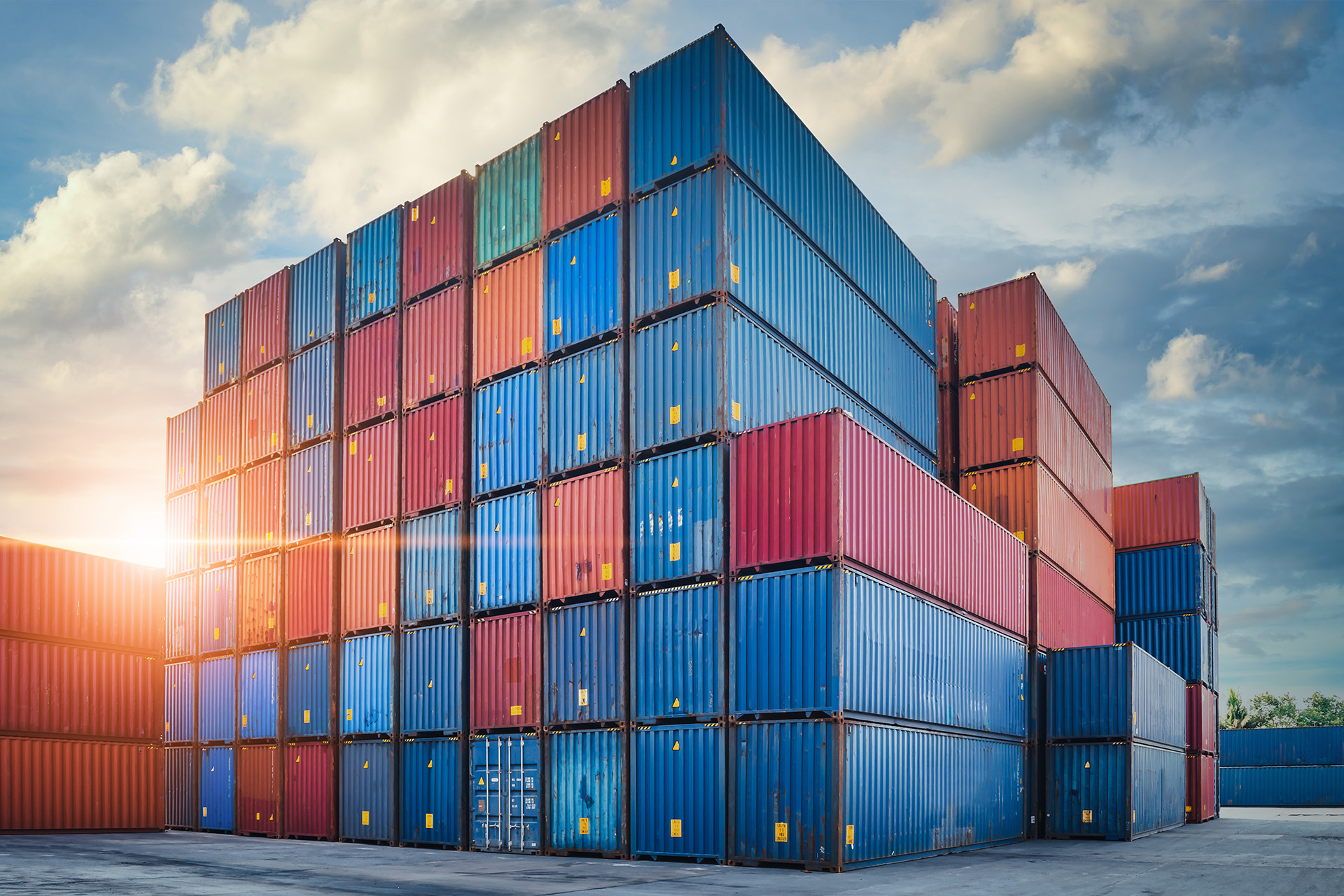
These types of centers appeal to passerby customers because the containers themselves are frequently painted in bright colors and feature unique mural art. Generally, the containers, which can be stacked, surround a central courtyard with dining tables that face a stage for live music. Tenants include hyper-local restaurants, craft beer establishments, wine bars, coffee houses and other eclectic retailers. Because of the small square footage options and the low overhead costs, these centers attract first to market up-and-coming vendors. Many of these developments have a mixed-use element, with hotels or offices included. Frequently the shipping container sites are combined with other types of construction, such as traditional buildings or warehouses.
Two upcoming shipping container projects that are generating buzz are Herringbone in Waco, Texas, and THE BLOCK in Rio Rancho, N.M.
Herringbone
The $4M Herringbone project, a 38,650-s.f. mixed-use shipping container development in downtown Waco, should be fully completed by early 2024. The four-story high build will include an existing warehouse in addition to the repurposed shipping containers and will also have a public plaza area. Ultimately, the project will feature a 21-room boutique hotel above retail, as well as three restaurants, complete with outdoor bars and space for live musical entertainment.
The tenants already in place include the Hotel Herringbone, as well as two restaurants: Red Herring, a Mediterranean/Southern fusion that will occupy the refurbished warehouse space on the premises, and Al Fresko, a wine and charcuterie board dining concept that has another location in Oceanside, Calif. Additional tenants targeted are those that can fit into the small 320- to 640-s.f. containers that will occupy the ground-level spaces, including a craft coffee shop and/or an ice cream parlor, an outdoor recreational entertainment brand, apparel boutiques, personal services, such as salons, and perhaps a home decor store. Although local brands are sought after, Herringbone is also open to signing unique out-of-state store concepts.
RAD LAB Designs Inc., the San Diego-based architectural firm that is undertaking the Herringbone build, acquired the shipping container project last year from the previous owner who was experiencing financial difficulties. The still-unfinished project had contained garishly painted containers, so RAD LAB softened the colors with muted, sophisticated hues that more closely resemble other buildings in the surrounding downtown neighborhood. RAD LAB will, however, dedicate at least two exterior facing containers to mural designs that will be painted by artists through the Creative Waco ARTPrenticeship, a local non-profit internship program that promotes collaborative projects between Waco’s teen art students and professional artists. Herringbone is ideally located to ensure foot traffic, as it is a few steps away from the touristy Dr Pepper Museum, within walking distance to the Waco Convention Center and a mile away from Baylor University.
THE BLOCK
THE BLOCK, a shipping container retail park developed by Jaynes Corporation, will encompass a 1.3-acre street-facing corner lot within a community shopping center in Rio Rancho, a growing suburb outside of Albuquerque. Construction began in November of 2022, and the center expects to be fully open by the spring of 2024. The $10M project will incorporate 12,000 s.f. of leasable space in 14 refurbished containers — with units that can be as small as 200 s.f. — which surround a central courtyard filled with picnic tables, a green area/beer garden and a large stage for live music and outdoor movie viewings. There will also be a designated space for three food trucks. Plus, the project will include non-shipping container building construction for a restaurant/rooftop bar, a management office and a storage site for the various food vendors.
THE BLOCK seeks a wide range of locally known eateries, including specialty ethnic foods, dessert treats, coffee brands and beer tenants, as well as other local mom-and-pop sellers of items such as apparel, handmade candles and home décor crafts. The tenants can be the types of vendors found at community street fairs and farmers’ markets. Local muralists will be selected to paint some of the street-facing containers in vibrant, eye-catching colors.
The community shopping center that will share space with THE BLOCK has its share of high-traffic tenants, including Ross Dress For Less, PetSmart, Michaels, T.J. Maxx and Five Below, in addition to a Sprouts Farmers Market that will open in 2024. The same large lot also has a standalone 11,020-s.f. library/recreation center building that opened in June, called THE HUB, which offers not just fitness options such as pickleball, but also provides art lessons, dance classes and other special events.