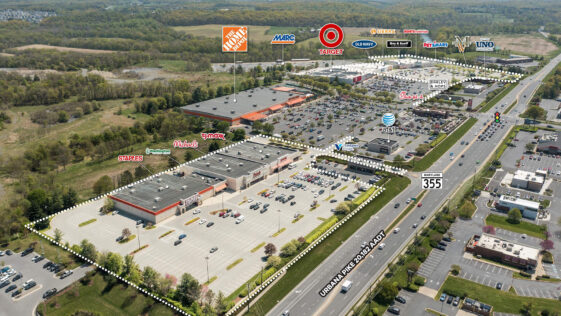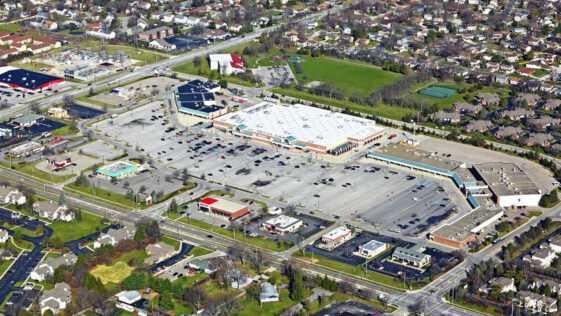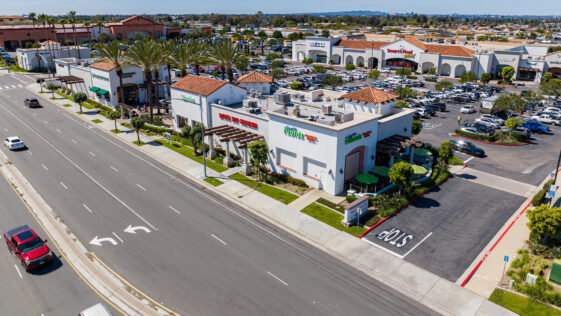
Retail borrowers will see more available capital as lender appetite will be stronger this year. Many point to retail as a top asset class since multifamily and industrial both face some hurdles. Lenders are confident in the fact that rents have been up across the board. Retail has seen an increase in rents and decrease in vacancies, along with massive demand. There is also limited new supply entering the market. Grocery-anchored centers will continue to see the most attention, although watch for lenders to start looking at other retail properties this year. Count on life company lenders to dominate the space, while the CMBS market will be more active going forward. Banks will also dip their toes back into retail lending this year, especially once rates come down.
Deals with strong tenants will see 70% to 75% leverage. Others will be in the 50% to 65% range. Malls will be 50% or less. Count on deals to be debt service constrained give where rates are. DSC will be 1.20x to 1.30x+. Rates will be in the mid-6% to low 7% range. Debt yield will be around 10%. Count on lenders to look closely at tenant sales, occupancy and insurance expenses. They will also dig deep into lease rollover and renewals. Lenders will want to make sure that property rents are in line with the market. Borrowers need to show experience in the specific property type and relationships with the tenants. Lenders will want sponsors that are nimble and have attachments to the deal. Count on lenders to underwrite the entire borrower’s portfolio.
Life companies such as Northwestern Mutual, State Farm, MetLife, Nationwide, Voya Investment Management, Symetra, RGA Reinsurance, John Hancock, TruStage, Security National Commercial Capital, Farm Bureau Insurance, StanCorp Mortgage Investors and GPM Life will be active. Thrivent and Guardian Life will target grocery-anchored retail, while New York Life will target all properties except malls. LC rates will start at a 140 to 180 basis point spread for grocery-anchored deals, while other retail centers will see 180 to 225 spreads. Big-box centers will see 210 to 250 spreads.
Banks such as Bank OZK, Axos Bank, F&M Bank, Presidential Bank, Provident Bank, Banc of California and Applied Bank will consider deals. Fidelity Bank seeks single-tenant investment-grade retail, while Cadence Bank targets SBA-eligible deals. Banks will focus on relationship lending and want some level of recourse. CMBS lenders such as Wells Fargo, Goldman Sachs, Deutsche Bank, Morgan Stanley, Argentic, UBS, KeyBank, Basis Investment Group and Greystone will also strive to compete.
Keep an eye out for lenders to start looking at property types other than grocery anchored. There will be more interest in power and open-air centers, as long as they are well located with strong sponsorship. Even unanchored centers will see more available capital, provided the tenants are e-commerce resistant. The key will be sponsorship that has ample experience with operations. Look for lenders to be more comfortable with Class B assets, as there could be some pullback on Class A retail. Big-box centers with non-essential use tenants and indoor malls will be the toughest to finance.
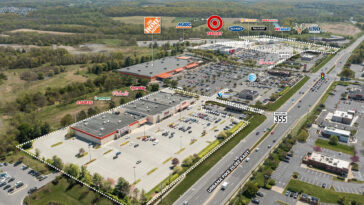
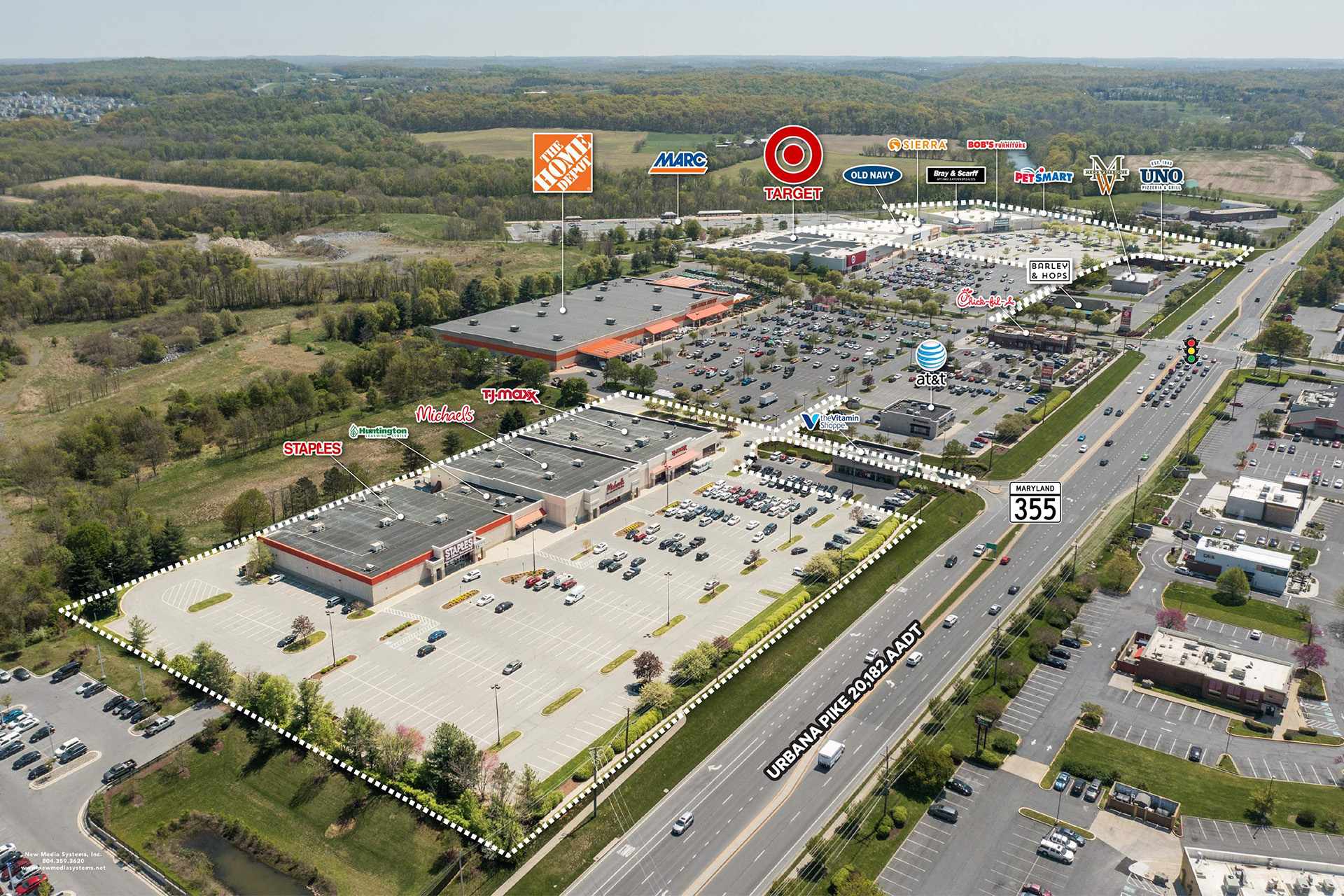
Lenders will seek centers with essential-use tenants such as Target, The Home Depot, Walmart, Costco and Lowe’s. Budget retailers such as Dollar Tree, Ulta Beauty, Marshalls, Ross Dress For Less and T.J. Maxx will also be desired as they continue to perform well. Big-box tenants that compete with e-commerce such as Office Depot, Barnes & Noble, Best Buy, Hobby Lobby, JCPenney and Kohl’s will not be as sought after. There will not be as much focus on single-tenant pharmacy tenants as seen in the past, as their creditworthiness and longevity comes into question. Churches, movie theatres, gyms, restaurants and dry cleaners will also not be as favored. Count on many lenders to still be shy about funding weed dispensaries, especially the banks.
Look for a pickup in activity in the Sunbelt, Southeast and Southwest including Texas, Nevada and Arizona, as there has been a lot of investment activity in those areas. West Coast markets experiencing crime issues such as California will be tough. Lenders will also be cautious in Illinois. Do not expect as much appetite in downtown CBD cities and tertiary markets will continue to be challenging.