As high inflation rates hold steady, consumers are focusing spending on their homes and affordable luxuries that feel more attainable than high-ticket items and experiences. This so-called “lipstick effect” often occurs during times of economic uncertainty and, most recently, is the cause of retailers in the personal care sector leading sales growth across the industry.
In fact, retailers from the health & personal care and building & garden supply sectors saw 5.26% and 4.41% year-over-year unadjusted sales growth, respectively. The U.S. Beauty Consumer Report also shows the cosmetics and beauty sector as the fastest-growing U.S. retail category in 2023, with consumers spending $94.36 billion.
Expect brands in these categories to capitalize on the steady sales growth by investing in their brick-and-mortar stores and broadening their geographical reach.
Anjee Solanki, national director of retail and practice groups at Colliers, said she’s seeing a substantial increase in the number of retailers that plan to expand their footprint in the next few years.
“As more shoppers opt for digital platforms, physical stores have adapted by evolving into more compact, efficient spaces,” Solanki said. “Investing in brick-and-mortar stores is a smart strategy for retailers, aligning with new consumer behaviors and leveraging the evolving role of physical retail environments.”
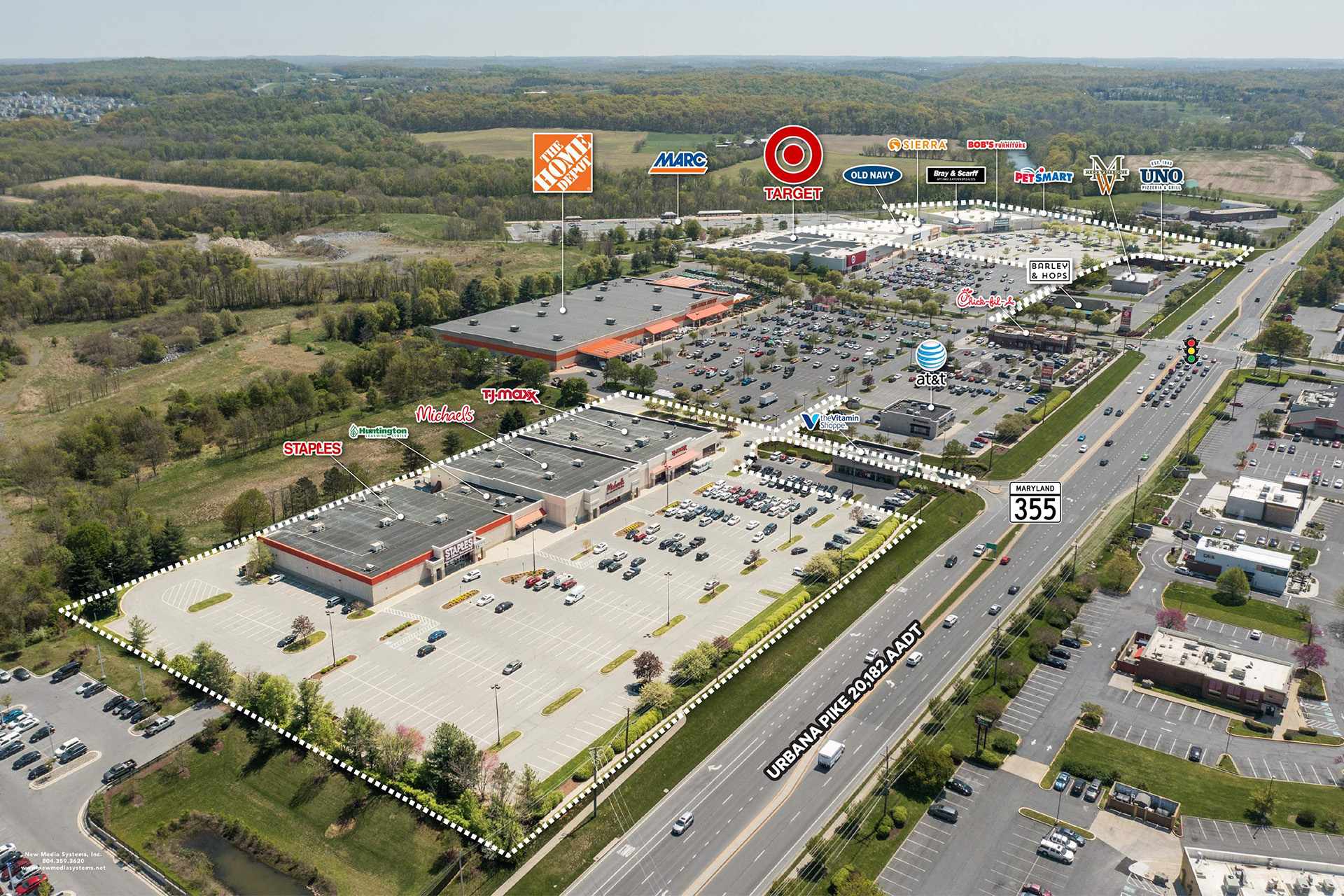
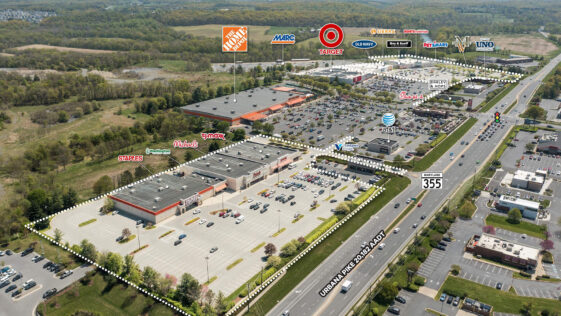
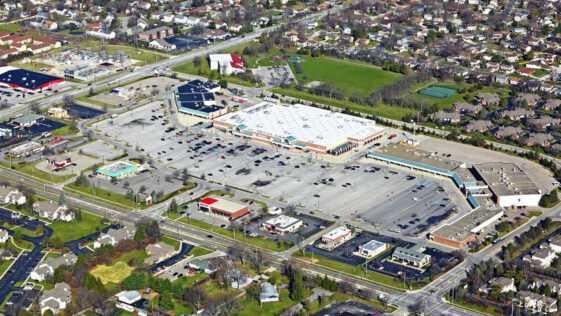
Ulta Beauty is focused on store growth and is set to expand into international markets by opening stores in Mexico in 2025. The beauty chain also announced plans to open 60 to 65 net domestic stores this year, in addition to completing 40 to 45 store remodels or relocations. Preferred locations for Ulta are high-traffic retail strip centers near brands such as Hobby Lobby, Old Navy and T.J. Maxx. Units are in the 10,000-s.f. range.
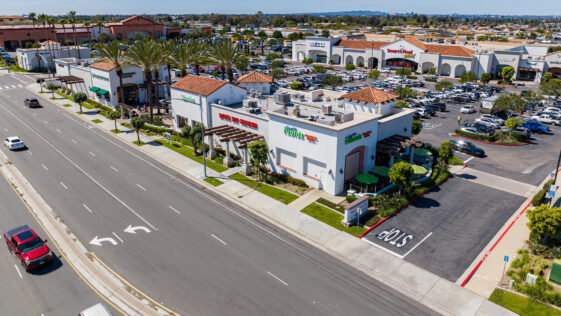
Retail spaces are also seeing a new era of innovation, with brands evolving their physical store experience across the sectors. Common trends among retailers are more fulfillment space and an omnichannel store experience with features such as order kiosks and curbside pickup.
However, real estate for these spaces is scarce. The leasing environment continues to become more competitive for retailers looking to relocate stores, providing favorable conditions for landlords that will likely last for at least the next five years.
“The main trend we are seeing in retail is a shortage of desirable space, with demand outstripping supply due to pre-leased new construction,” Solanki said. These conditions will continue as new construction declines and tenants maintain a hold on their spaces, according to Solanki.
Keep an eye on store-in-store concepts, where a section of the store is dedicated and typically subleased to another retailer. Sephora at Kohl’s stores has proven to be a successful example, making over $1.4 billion in sales in 2023. The concept is also set to open 140 more locations this year and reach $2 billion in sales by 2025.