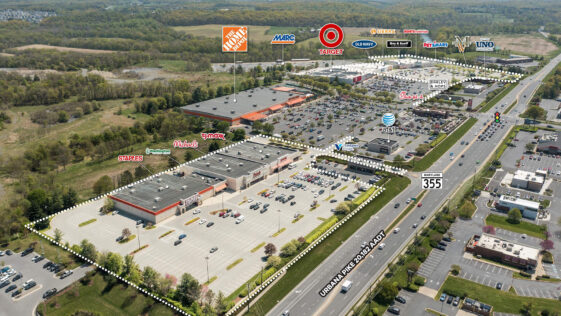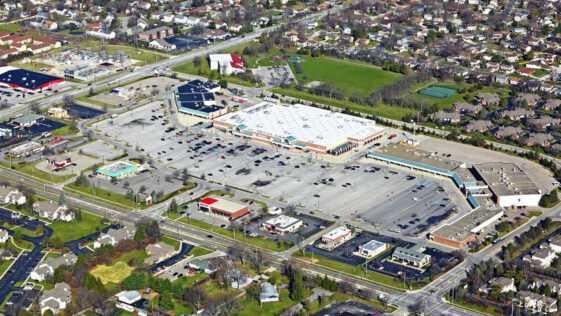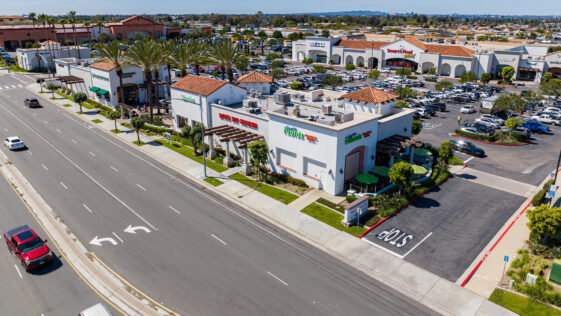
There will be plenty of available capital for small retail deals, even from the local and regional banks. Count on lender optimism in the retail space, as fundamentals are strong, partially driven by the high costs to build new product. Lenders like that the sector has not been overbuilt and much of the obsolete product has already been repurposed. Also, lenders are limiting their exposure to one single product type, leading them to look more at retail this year. In the smaller retail space, a lot of the assets are necessity oriented and/or are shadow-anchored product, which have been doing well. When it comes to smaller retail, there will be a focus on the strength of the sponsor and global cash flow, as well as looking at any other debt exposure.
Underwriting, especially for small, unanchored centers, will be more conservative. Count on 25-year amortization to be used along with 1.30x+ DSC ratios compared to a 30-year amortization and 1.25x DSC for other property types. Lenders are focused on occupancy history, lease roll and credit. They will adjust their underwriting for each of those factors to be more or less conservative. Look for stress on collections, tenant financials and sales data. They want to know that the property performed well through the pandemic and can lease up quickly when tenants do leave.
Deals with cash flow can easily grab 60% to 65% leverage. Borrowers will see 6% to 7.5%+ rates. Grocery-anchored centers will see rates around 6%. Well-located soft goods community retail centers will see mid-6% rates. Power centers or those without favorable locations will see mid- to upper 6% rates. DSC will be 1.25x to 1.35x. Anchored retail will see debt yield as low as 8.5% to 9%, while unanchored assets will need double-digit debt yields.
Regional banks such as Bank OZK, Banesco, Axos Bank, Banc of California and Fidelity Bank will be active. Rates will be around 6.5%. Banks are being more cautious with underwriting, but they still have money to lend. Those with balance sheets full of legacy commercial real estate debt will ask for a significant depository relationship.
Life companies including StanCorp Mortgage Investors, Symetra, Ameritas, John Hancock, Aegon, TruStage, Farm Bureau Insurance, Security National Commercial Capital and GPM Life will also fund smaller retail deals. Look for DSC ratios to creep up with the life companies in the 1.35x to 1.40x range. Deals with 1.50x DSC on a 25-year amortization will grab the most competitive spreads. Borrowers will see 6% to 6.25% rates.
CMBS lenders such as Citi, Goldman Sachs, BofA, Wells Fargo, Morgan Stanley, UBS, KeyBank, Basis Investment Group, Natixis, BMO, Greystone, Argentic and LMF Commercial will be a great option for smaller retail. CMBS loans can reach 70% leverage.
Lenders will target grocer tenants and those with strong credit such as T.J. Maxx and Ross Dress For Less. Count on lenders to be cautious with retailers that can be threatened by online retail/logistics. There is still an aversion to big-box vacancies and potential vacancies with near-term lease rolls in secondary and tertiary markets.
Cannabis tenants are tough, along with budget fitness tenants in secondary markets, as both are expensive to re-tenant if there is a vacancy. Look for some caution around single-tenant assets, even those with credit, although expect a pickup in activity for quick-service restaurants with drive-thrus.
Anticipate lenders to target areas with favorable demographics such as population and household incomes, as well as busy retail corridors with strong traffic counts. Look for demand in gateway markets. Lenders will seek markets with strong rents and where construction costs do not make sense to build new product.
Lenders will want borrowers with experience operating other retail properties. Net worth should be 100% of the loan amount and 10% in liquidity, although net worth can get down to 50% for the right real estate. Anticipate lenders to start looking at liquidity as a percentage of the total outstanding debt not just the loan amount in question. There will be a preference for sponsors with strong balance sheets, but robust liquidity positions are important for unforeseen leasing costs or tenant improvements.