After a bumpy year and a half, lenders are returning to retail deals and borrowers should start to see more favorable terms. Most lenders became extremely cautious if not pulled out of retail lending completely in 2020 and early 2021. They are now just starting to trickle back into the space and consider retail loans once again. An expected increase in brick-and-mortar holiday shopping should also help bolster lender confidence, especially as more states loosen COVID-19 protocols.
After a stall, CMBS lending is picking back up and will provide a great option for retail borrowers, along with debt funds, bridge and private money lenders. Life company lenders will tiptoe in and out of the space and target deals with the strongest sponsors, low leverage and tenants with solid sales such as grocers. Banks will be active with a preference for existing borrowers or those that can become relationship clients. Expect most banks to require some level of recourse.
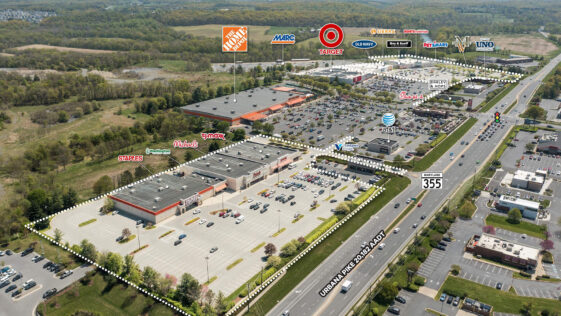
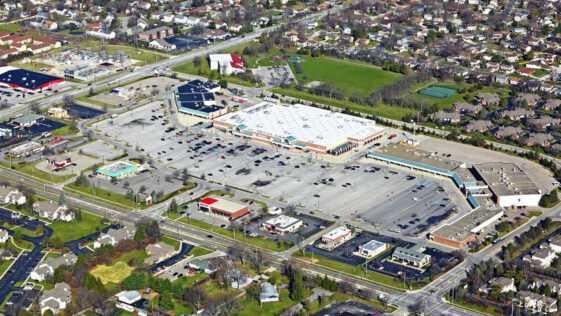
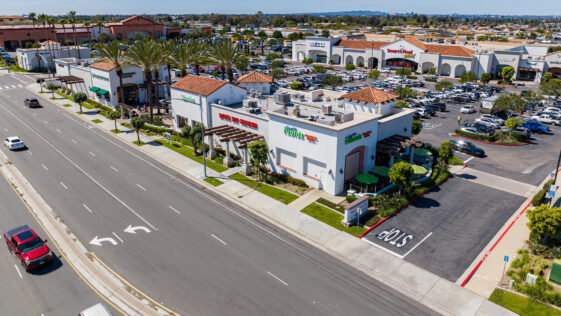
Grocery-anchored properties and centers with needs-based retail tenants such as drug stores and home improvement companies will continue to be the most sought after but watch for lenders to start considering other retail assets in the coming months. Neighborhood strip retail and outdoor lifestyle centers with ample open space will become more in favor. Malls and big-box retailers will still be tough to finance for the foreseeable future, although properties that can be converted to another use will be considered.
Quick-service and fast-casual restaurants, especially those that adjusted well to delivery and to-go options, are seeing favorable sales. Full-service restaurants and bars are still trying to regain their footing, especially in states with stricter indoor dining rules, and with the colder months on the horizon it could be a tough few quarters. It still remains to be seen what will happen with experiential retailers like Dave & Busters and bowling alleys, a segment that was on the rise before the pandemic.
Lenders and borrowers alike are hopeful for an almost full recovery in 2022 and the consensus is that most people are ready to begin in-person shopping again. Although, container shipping backups and supply issues could hamper this resurgence, along with any uptick in COVID-19 cases. Overall, most are hopeful that 2022 will be a year of recovery and a return to a more “normal” retail sector.
For a more in-depth look on this and more, subscribe to The Crittenden Report: Real Estate Financing. Find out how to become an insider here.