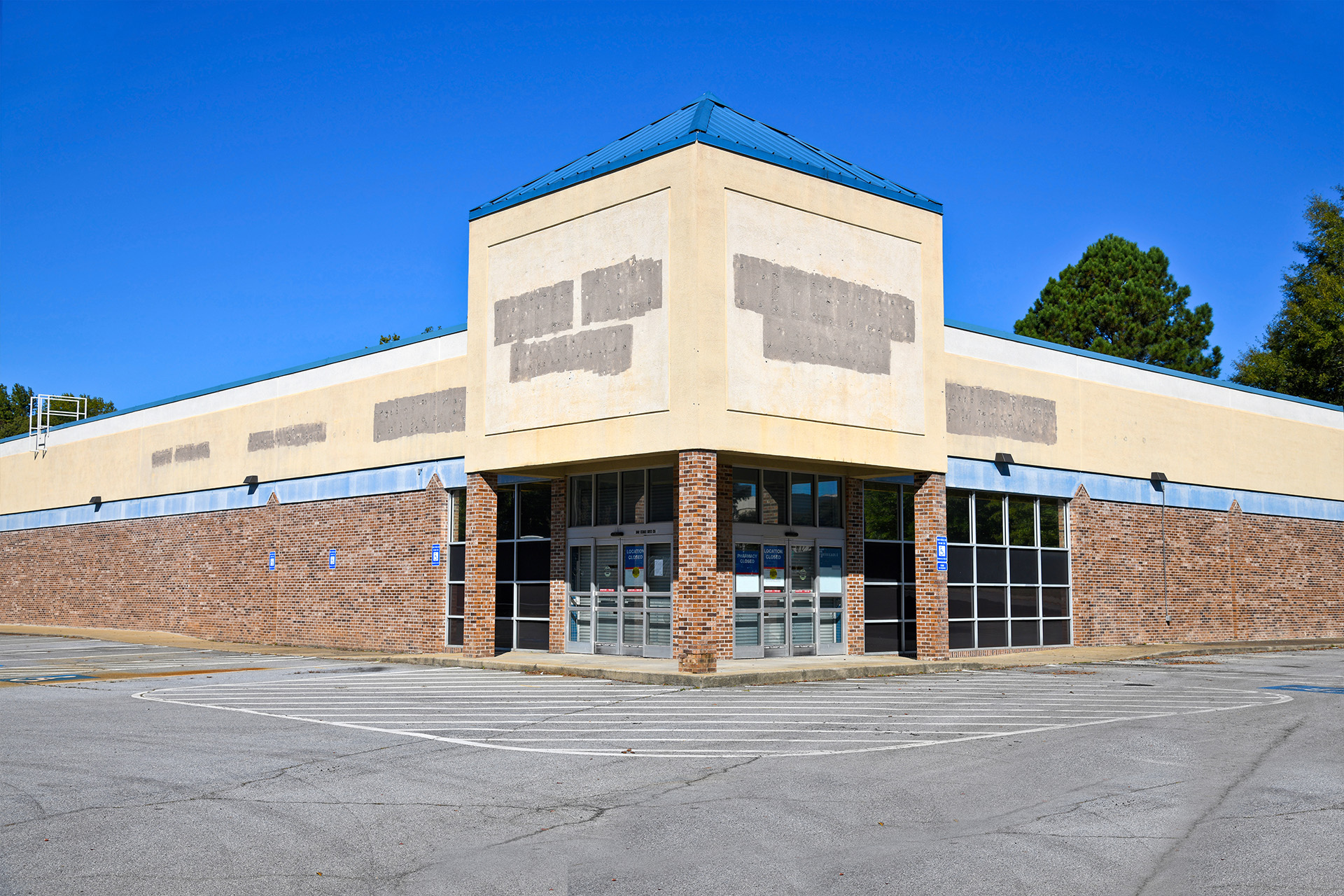
There is no denying that the country is in a recession, which is further exacerbated by rising inflation costs. The retail industry is naturally concerned about the impact this will have on consumer trends as we head into the holiday season and approach 2023. To further understand what all of this may mean for the future of retail, we spoke with executives in the retail realm to get their unique insights on this topic.
It is widely accepted that consumers are minimizing their spending.
“Inflation is pinching the consumer’s wallet,” said Ron DeVries, senior manager of Integra Realty Resources’ Chicago office. “Rising food prices are making it more difficult for families to eat out.”
Eileen Mitchell, partner at RCS Real Estate Advisors, agrees.
“The average consumer is under pressure from increased costs of their daily needs and essential retail expenditures, like food and gas,” she said.
The good news is that consumers are still going to find ways to spend money in order to have memorable experiences.
“I see entertainment, restaurant and experiential tenants doing well, because extemporaneous spending isn’t going away,” said David Emihovich, managing partner at Katz & Associates.
In order to maintain their ingrained spending habits, consumers will most likely come up with creative solutions for cutting costs.
“As we learned from the COVID-19 shutdowns, people are resourceful and will still spend money enjoying themselves while finding other ways to cut back, such as working from home to save money on gas,” said Bil Ingraham, SVP of business development and revenue for Centennial Real Estate.
Mitchell agreed.
“American consumers aren’t ready to change what they have become accustomed to post-COVID, aka Q1, in terms of lifestyle, she said. “More likely these consumers will trade down in the price point of restaurants, or reduce their spending when dining out, or both.”
DeVries reiterated this new reality when it comes to consumers dining out.
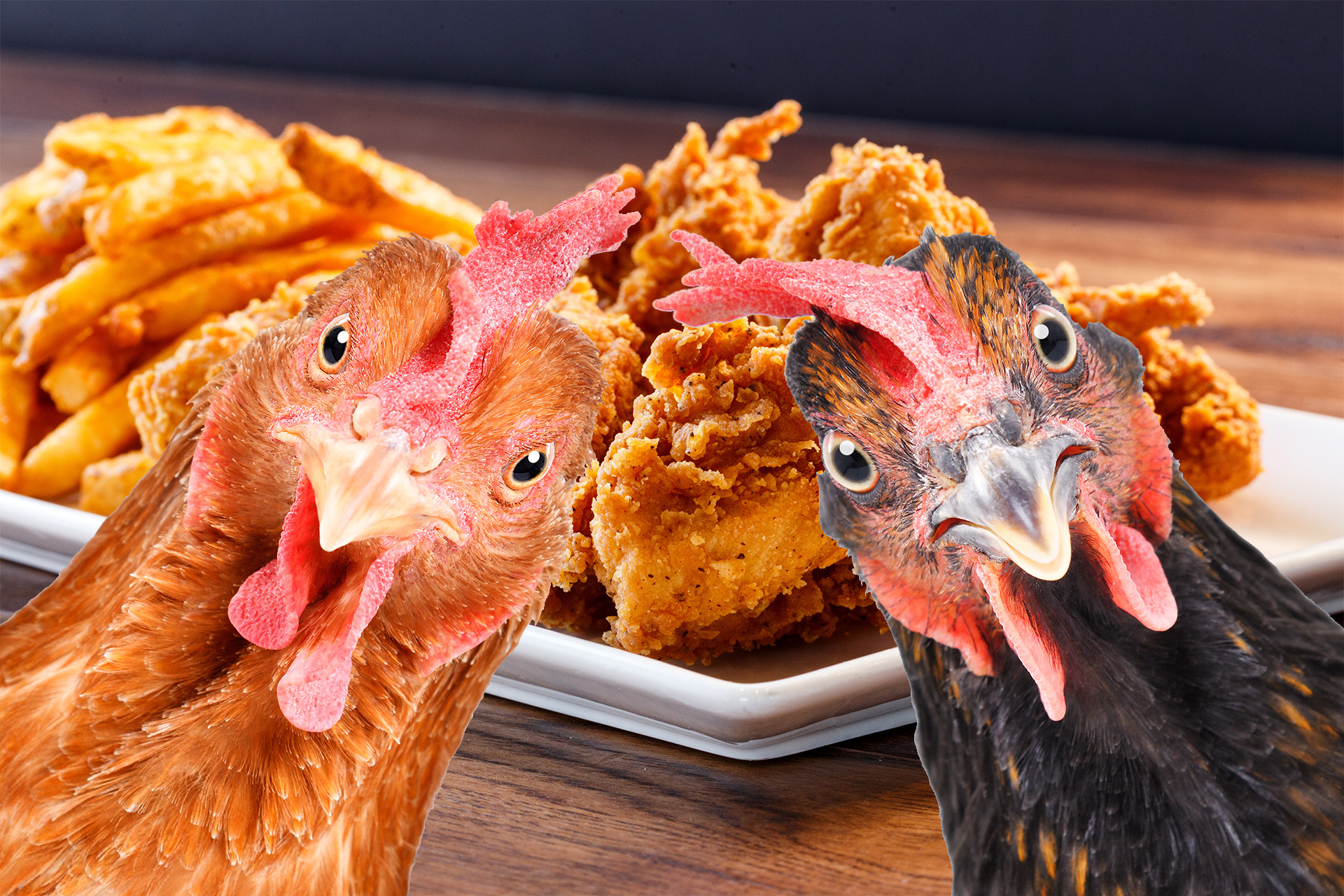
“While consumers are not cutting back on their Starbucks coffee cravings, fast food and take-out restaurants such as In-N-Out Burger, Little Caesars and Del Taco will outperform more traditional sit-down restaurants,” he said.
Value-based tenants will, of course, thrive during these inflationary times.
“The core, bread-and-butter tenants that make up the service and discount stores, including Walmart, Five Below, Dollar Tree and Ross, are in a good position to ride the storm out, as are the buy-in-bulk brands, such as Sam’s Club,” Emihovich said.
So while the future remains uncertain, all hope is not lost. Even in economic downturns, the retail world will keep on spinning.