Placer.ai just released its latest report, in which mall traffic intelligence data was analyzed over the last three years, from 2019 to 2022, at different types of retail centers (grocery anchored centers, open air lifestyle centers, etc.). Although many of the findings were predictable — such as traffic picking up at all types of retail centers from Black Friday until the end of December, or that the pandemic restrictions had a major impact on traffic overall — there were still some surprising results.
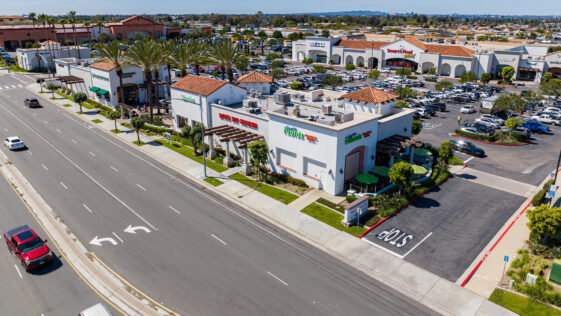
Despite the trendiness of open-air lifestyle centers, especially during the COVID era years when it became apparent that the virus was less transferrable in outdoor settings, the traffic patterns for these types of retail developments were less populated during the weekends. Open air lifestyle centers instead garnered the most traffic on weekday evenings, between the hours of 7 p.m. to 10 p.m. The theory is that this is because the open air lifestyle centers are primarily utilized for routine after-work visits during the week, and consumers are therefore craving a different type of environment for their weekend shopping excursions.
Of the different types of retail centers, the outlet malls had the highest percentage of weekend traffic. However, traffic overall has been down at outlet malls over the past three years, with the theory being that high gas prices prevented consumers from making the drive to outlet mall destinations, which tend to be located on the outskirts of major metros. Another theory is because it is easy for consumers to access off-price retailers, such as Burlington or Marshalls, which are situated in major metro locations. Ironically, inflation is expected to further dampen sales at outlet malls, not only because consumers will reduce their spending spree costs, but will prioritize purchasing essentials while cutting down on longer driving distances to save on gas.
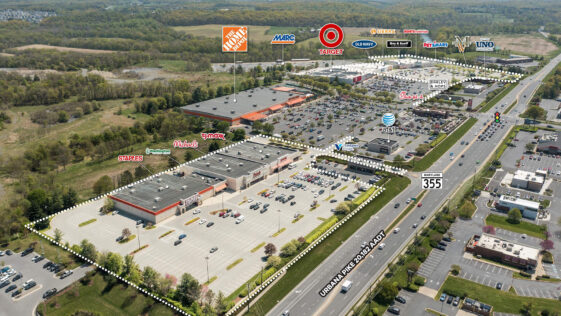
Comparing data gathered from July 2022 to February 2023, grocery anchored centers outperformed open air lifestyle centers. This is mainly due to the necessity of frequent grocery runs, which can then be parlayed into a customer visiting many other stores within the grocery anchored center. Also, the suburbs, where the majority of these grocery anchored centers are situated, saw a population increase during the past three years, which was further amplified with continuing work from home trends.
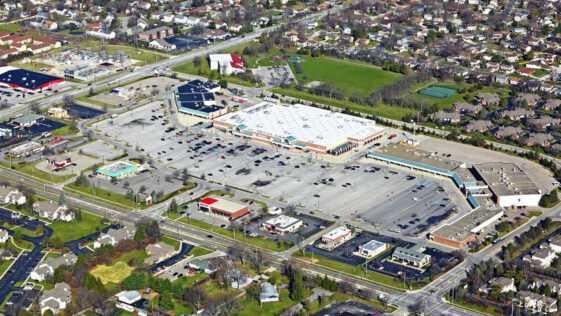
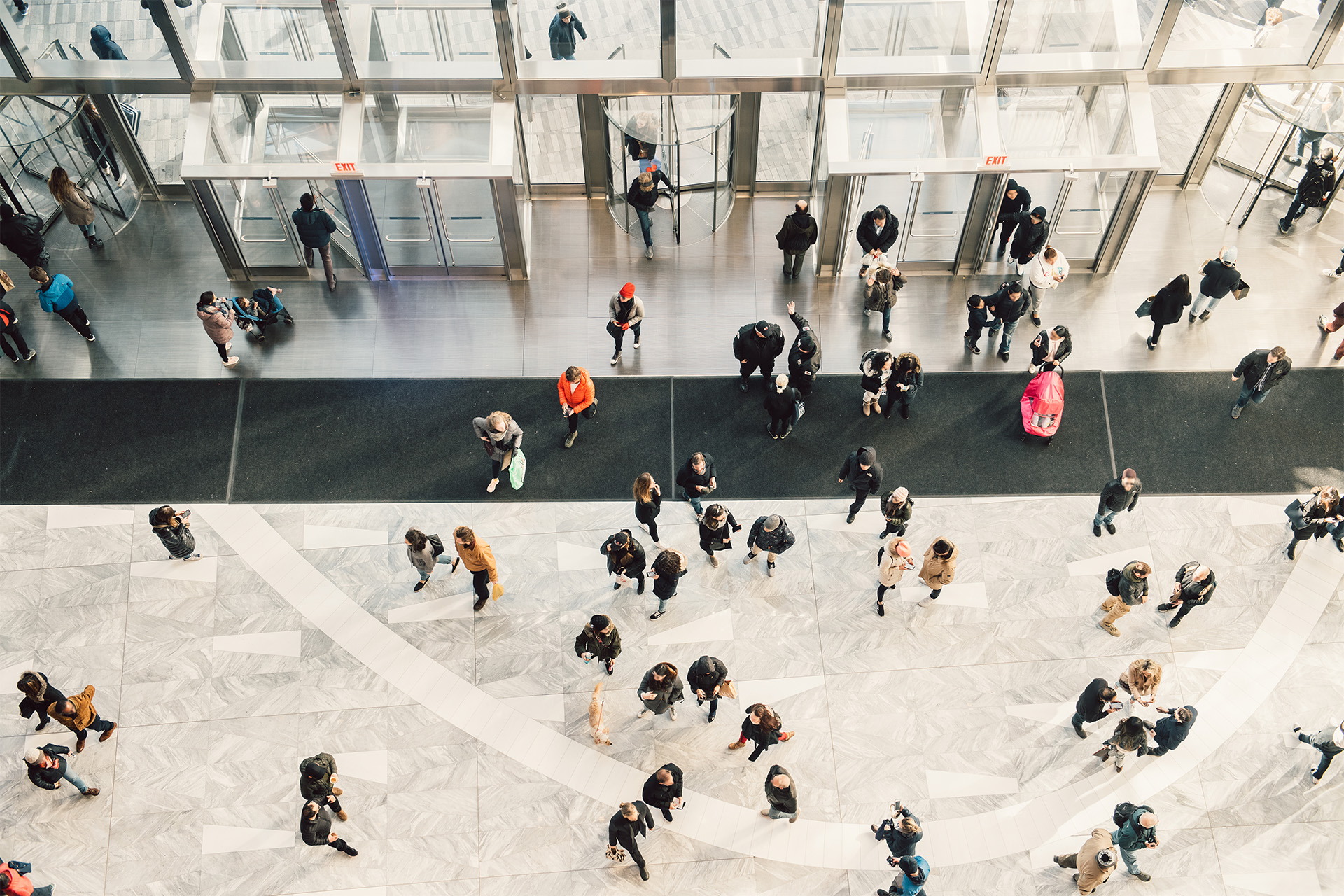
Although indoor malls were severely affected by the strict COVID closure measures, recovery appears to be on the horizon, especially for the malls that have a broad tenant mix. This can include grocery tenants, a trend that has accelerated at indoor malls over the last three years. The Placer.ai findings also indicate that popular indoor malls, such as the Mall of America in Bloomington, Minn., or the Westfield Topanga Mall in Canoga Park, Calif., are experiencing higher visit numbers and longer durations of visits. This is mainly because these indoor malls offer a huge amount of tenants that appeal to a wide range of demographics with varied spending ranges, whether it be for dining, entertainment, apparel or services.