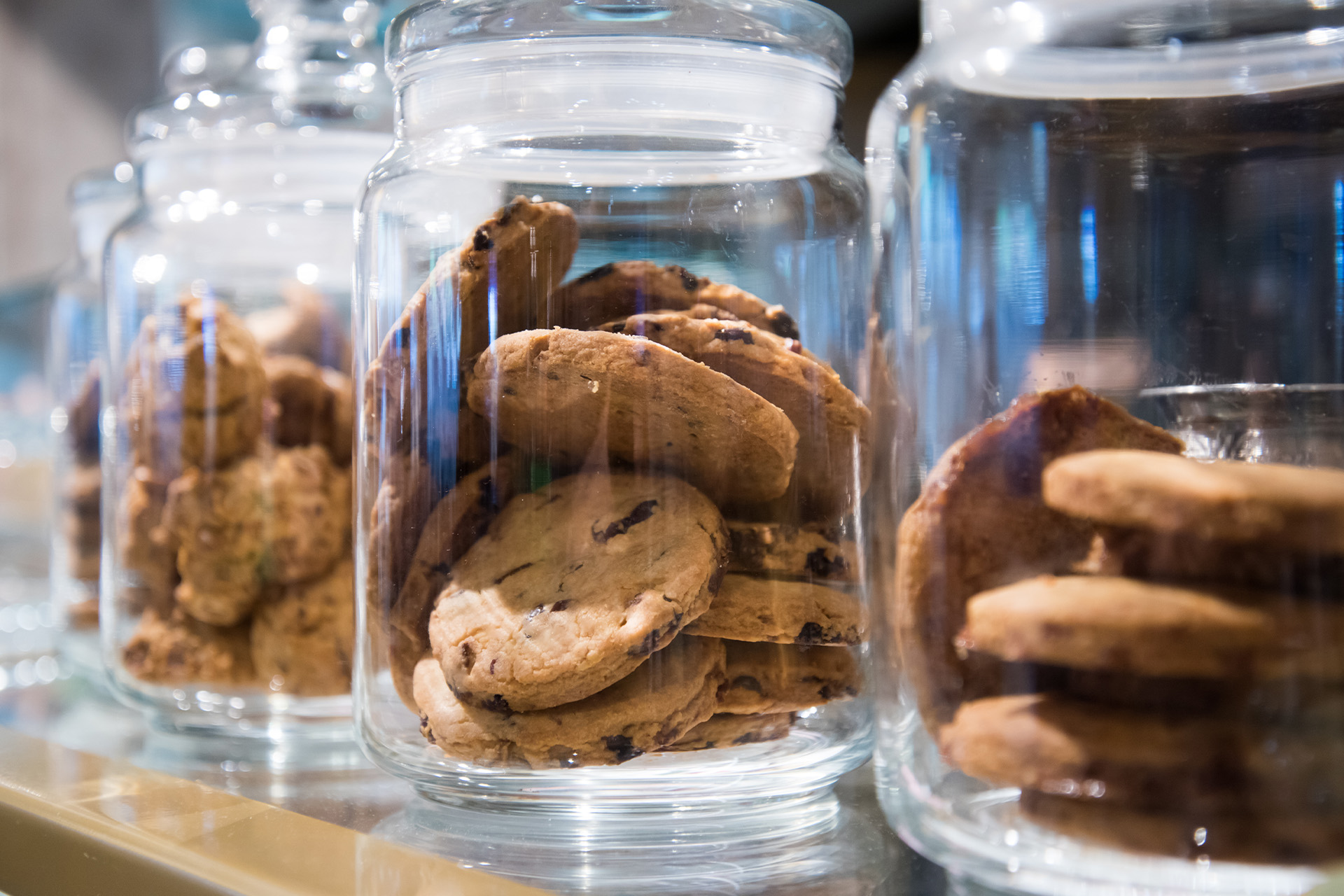
The cookie shop trend continues to proliferate. Spearheaded by Crumbl Cookies and Insomnia Cookies — which both normalized the idea of providing a rotating selection of freshly baked gourmet cookies in multiple shopping sites beyond the regional mall setting — more and more new brands are now offering their own twist on the tasty concept. The specialty dessert tenant frequently does not require venting or gas and can therefore quickly adapt to all types of spaces. Most of the cookie shop brands in growth mode do not demand a large square footage, as the space is primarily geared toward take-out orders.
Cookies, much like donuts, have become a popular guilty pleasure for consumers, even those that are budget minded. As the majority of the cookie brands offer a fresh batch of new flavors each week, customers have a fun reason to regularly revisit these shops. Cookies are also the perfect impulse buy for routine weekly errand shoppers, and also work well as gift purchases or office party/catering treats. With both Crumbl and Insomnia Cookies already heavily penetrated in the U.S. and concentrating their 2023 growth into new countries, expect up-and-coming cookie shop competitors, such as Cookie Plug, Cookie Co., Chip City and Dirty Dough, to all be aggressively expanding into multiple states.
Cookie Plug, the Southern California-based brand that began franchising last year, expects to open about 50 units in 2023, followed by 65 to 75 new units per year over the following three years. The chain is currently focused on growing into new Midwest markets, with some Ohio franchise deals already finalized. Expansion is also on the horizon in North Carolina, Tennessee, Atlanta, San Antonio, Dallas and El Paso, Texas. Florida will also see growth, with franchisees signed in territories such as Tampa, Fort Myers, Orlando, West Palm Beach and Miami. Franchisees have also recently been signed for additional growth in Western markets, especially within Los Angeles, San Diego, San Jose, Calif., and San Francisco.
The ideal square footage for Cookie Plug is between 500 and 900 s.f., and all types of inline or end cap real estate locations are considered, including power centers, grocery-anchored centers, strip malls and urban street-front sites. Spaces within close range to universities, community colleges or high schools are especially sought after, and sites off Main and Main are also considered. Co-tenants can include weekly errand-type brands and take-out food establishments, such as 99 Cents Only Stores, Ross or Pizza Hut. Cookie Plug especially appeals to a younger aged, urban clientele, as its store interiors feature hip-hop music and street art graffiti designs. Its cookie flavors also have tongue-in-cheek names, such as a “Pixie Junkie” and “Purple Haze.” The carry-out only venue sells 12 different large cookie flavors, as well as keto options and a sweet “purple-ade” beverage.
Cookie Co., a Southern California brand that first began expansion last year, expects to open between 40 and 50 new units in 2023, followed by 60 to 70 new units in 2024. The brand has a stated goal of signing 125 new franchise locations by the end of this year. Cookie Co. hopes to expand further into the Midwest and the East Coast, especially in New York and New Jersey, as well as in Texas and Utah. Look for immediate expansion to take place in growing markets in California, Indiana, Idaho, Nevada, Arizona, Kansas and Austin, Texas.
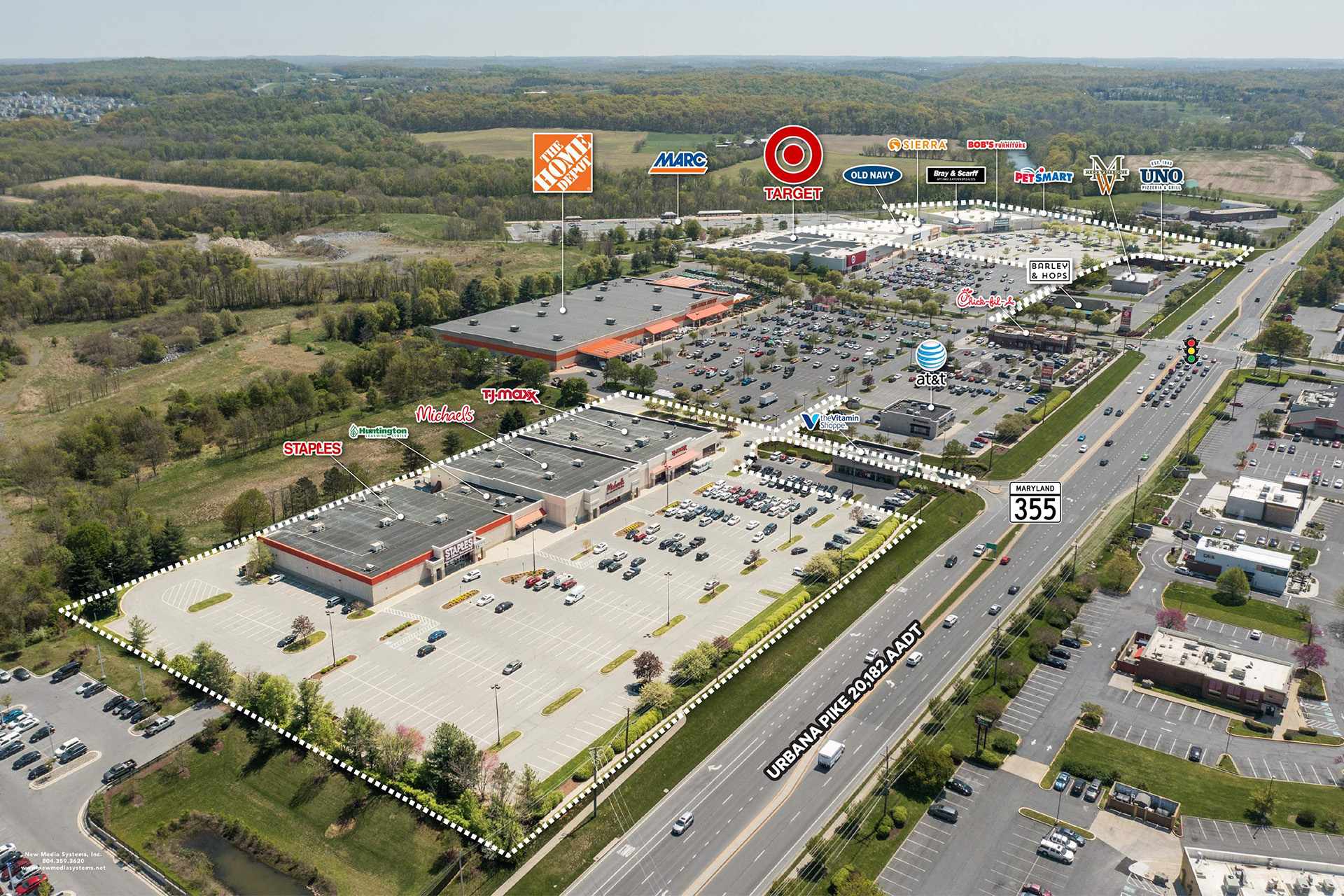
The Cookie Co. franchise seeks inline or end cap spaces in the 800- to 2,200-s.f. range, in family friendly suburban neighborhood power centers with a large high-traffic tenant, such as Target or Sam’s Club, as well as fast-casual eateries, such as Jersey Mike’s. Last year Cookie Co. opened its first drive-thru unit in Draper, Utah, in an end cap space of a retail building. If successful, expect the chain to continue opening more such units in the future.
Cookie Co. is famous for its gourmet cookies that are baked without unhealthy additives such as oils and syrups.
Chip City plans to open about 25 new shops in 2023, followed by 60 new units in 2024, and up to 75 new units in 2025. The cookie shop has strong expansion goals thanks to its $10M infusion last October from Enlightened Hospitality Investments, the investment firm created by the Shake Shack founder. Look for all cities on the East Coast to be targeted, in addition to the Chicago market, and all of the major metros in Texas, including San Antonio. Upcoming locations will be popping up in new markets for the brand such as Boston, Bethesda, Md., Arlington, Va., Fairfield and Darien, Conn., and multiple spots in South Florida.
When seeking locations, Chip City prefers sites between 550 and 1,200 s.f. Chip City is flexible with its preferred sites and will consider retail street-front units in urban settings, including the ground floor space of a mixed-use building, as well as more suburban-based lifestyle centers, grocery-anchored centers and traditional shopping centers. Areas sought after should have a high-density population with a mid- to high income level and be family friendly. The brand’s co-tenants can include popular quick-service restaurants, such as Five Guys, as well as beauty/wellness tenants, such as ULTA Beauty, and grocers, including Sprouts Farmers Market. Chip City is renowned for its rotating collection of cookies that are 5.5 ounces each, in unique flavors such as baklava, cannoli or oatmeal apple pie.
Dirty Dough, a cookie shop concept based in Arizona, expects to expand its franchise by opening approximately 25 to 35 new units per year in 2023, followed by at least 40 new units in 2024. The cookie chain already has 48 sites in development in states such as California, Utah, Ohio, Georgia, Indiana, Kentucky, North Dakota, Texas, Florida, Oklahoma, Colorado, Tennessee and Nebraska. Houston is an especially hot market for growth, with up to 25 new units expected to eventually open in the metro area.
The Dirty Dough franchise looks for inline and end cap spaces, in the 1,000- to 2,500-s.f. range, in strip malls, grocery-anchored centers, retail street fronts and ground-floor sites of mixed-use buildings. Although the brand has been opening units in suburban locations, rural and urban communities will also be considered. Co-tenants should include errand retailers such as CVS Pharmacy, as well as non-competing dining brands, such as Chicken Salad Chick. Dirty Dough specializes in a rotating selection of cookies that are packed with multiple layers and fillings, as well as such add-ons as raspberries and mini M&M’s.