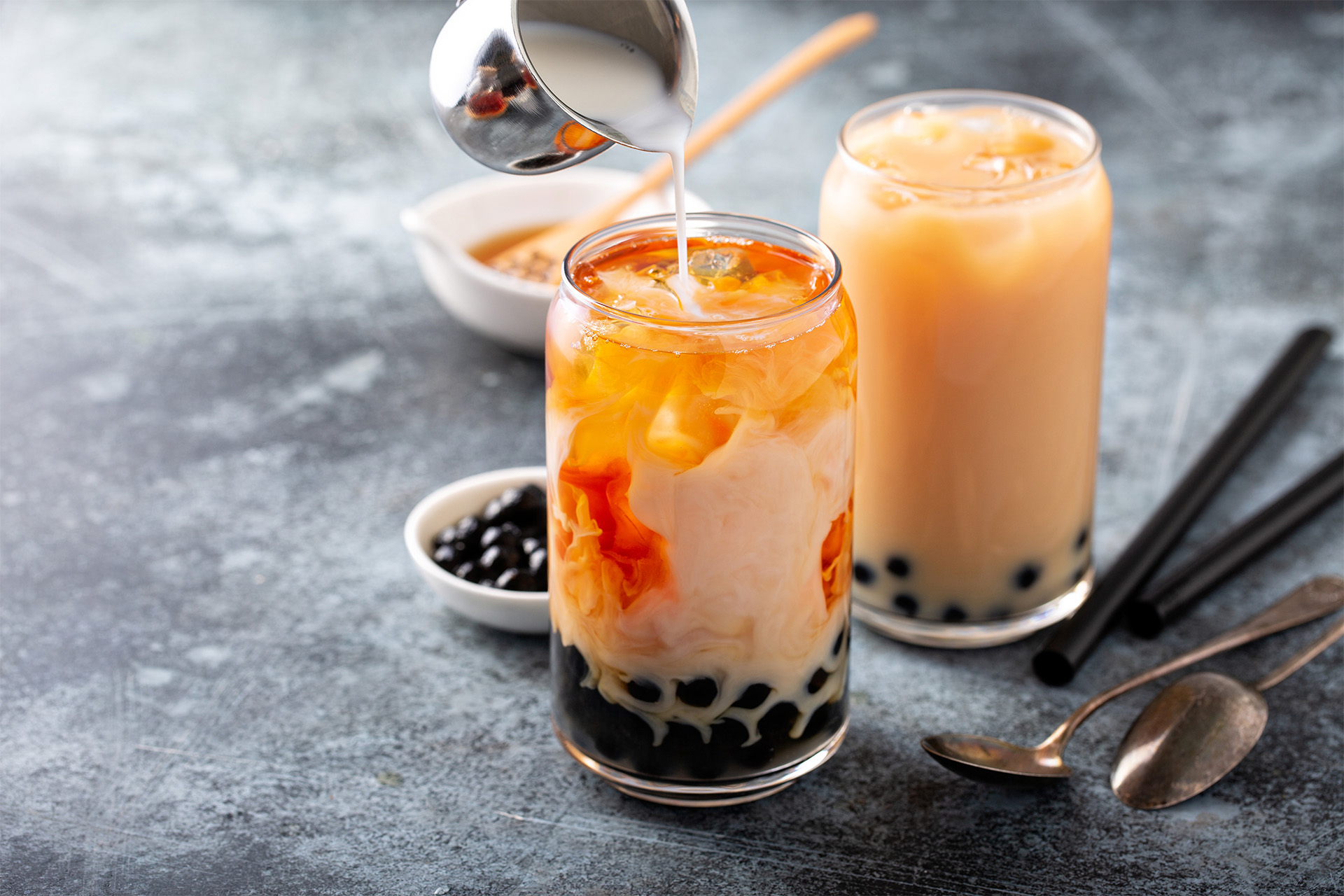
The Taiwanese boba tea drink craze is quickly becoming a national phenomenon, much like frozen yogurt was in the 1980s and specialty coffee chains were in the 1990s. Though boba tea shops have become prevalent over the last five years in urban areas along both coasts, the concept is still underpenetrated in many secondary and tertiary markets throughout the country, especially in the Midwest and the South. As Americans continue to migrate to new regions — especially the Asian population, which grew by 35% over the last decade, according to the U.S. Census Bureau — so too will these boba drink establishments continue to keep popping up in more outlying areas away from the major metros.
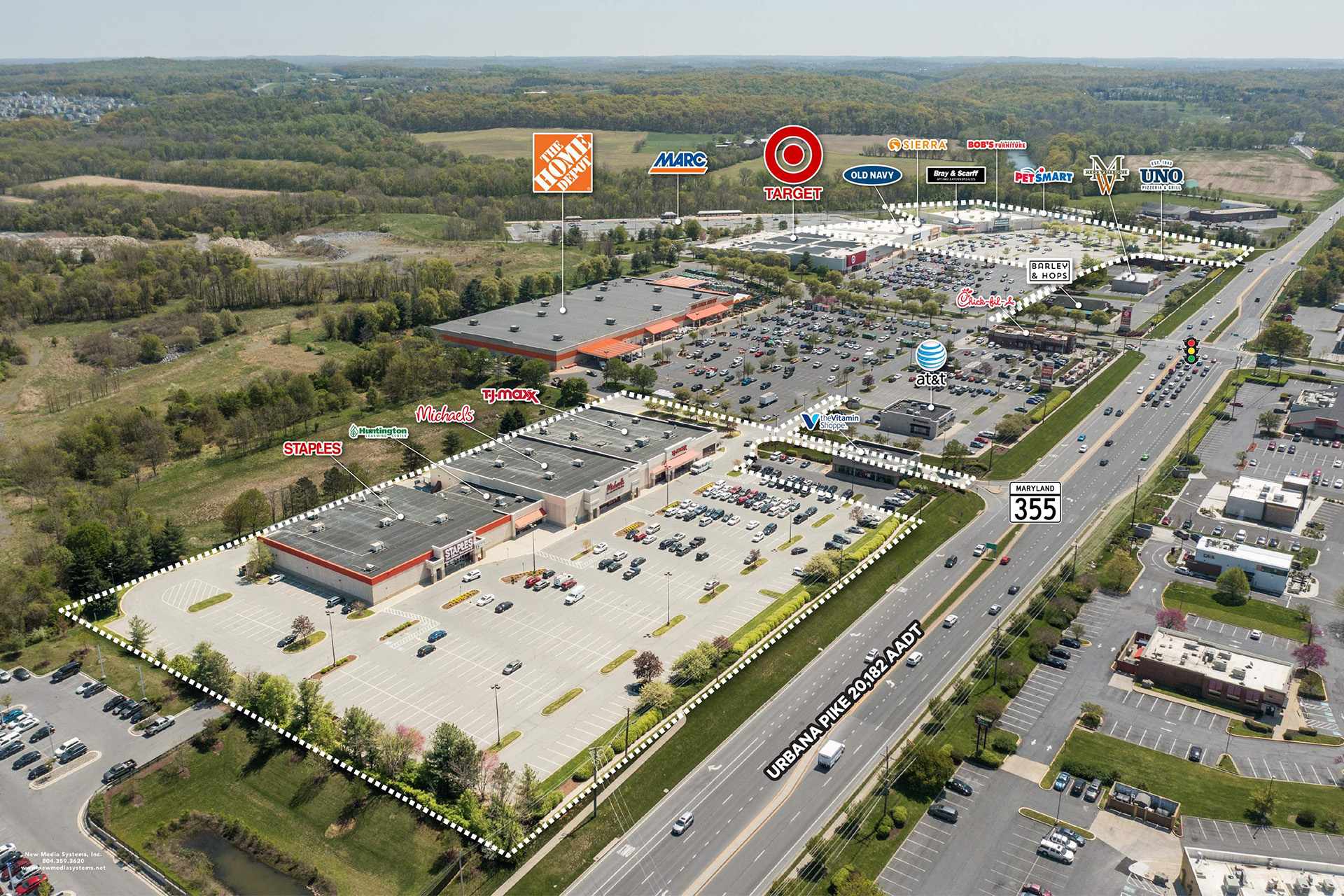
Boba tea shops are frequently situated in smaller units, up to 2,000 s.f., in inline or end cap spaces. All types of retail centers are utilized, such as strip centers, indoor malls, grocery-anchored power centers and urban street-front sites. Most of these shops prefer to be in areas with a lot of Gen Z and millennials, so high-traffic spaces near schools, colleges and mixed-use developments are sought after. QSRs will be popular co-tenants.
These shops are still thought of as relatively new for the general American public and are an attractive beverage alternative for the “let’s grab a coffee” crowd. Boba tea works well in recessionary times, as purchasing a beverage treat is more affordable than purchasing a full meal. Boba shops, unlike bars that serve alcohol, aren’t age restrictive, so a boba drink outing is a great social gathering option for younger Gen Z-aged consumers. The leading brands in this category that are currently on a national expansion trajectory include Gong Cha, Kung Fu Tea, Sharetea and Teaspoon.
Gong Cha is in aggressive expansion mode, expecting to open between 100 and 125 new units per year over the next three years. Immediate growth will be centered in Midwest markets, beginning with Chicago, where the brand hopes to open up to 50 units in the city and its suburbs by 2025. Growth will extend into other Midwestern territories such as Indianapolis, Detroit and Minneapolis/St Paul. Western MSAs are also being targeted, especially throughout Seattle, Portland, Ore., and Las Vegas, as well as in Honolulu. With franchise territory rights signed earlier this year for growth in Michigan, Colorado and Louisiana, also look for New Orleans, Baton Rouge, Denver and Boulder to be eyed for new units.
Gong Cha looks for inline, end cap or kiosk/food court space in the 800- to 1,000-s.f. range, in strip malls, enclosed regional centers, grocery-anchored centers, power centers, airports and college campuses, especially in tourist destinations in downtown urban or suburban environments where people like to gather. Preferred sites should be in areas with high-foot traffic, ideally near middle schools, high schools, community/university colleges and/or event centers. Communities with a large Asian population are a plus. Co-tenants should include a major anchor store or grocer, such as Sprouts Famers Market, as well as QSR brands popular with tweens to 30-somethings, such as Popeyes or Taco Bell. Three years ago, the Gong Cha brand was acquired by TA Associates, an equity firm based in Boston, which is focused on growing the chain in North America. Gong Cha is known for its authentic Taiwanese bubble tea customizable concoctions and is renowned for its signature salty milk foam topping.
Kung Fu Tea is on track to open about 65 to 70 units per year over the next two years. The company currently has 350 U.S. locations. Expansion will take place in all regions of the country, with tertiary markets in Texas, New York, New Jersey, Illinois, Virginia and Pennsylvania being targeted for immediate growth.
Look for growing markets in the South where Kung Fu Tea is underpenetrated to also be eyed for new units, especially throughout Louisiana, Florida, South Carolina and Tennessee.
Although Kung Fu typically opens units in heavily populated urban locations, its latest growth efforts have been focused on up-and-coming suburban markets with a growing Asian community that also has a large number of Gen Z and younger aged millennials. Preferred spaces are inline units, between 500 and 2,000 s.f., at indoor shopping centers, strip malls, grocery-anchored centers or neighborhood power centers with ample foot traffic. Sites should be on or near a major thoroughfare and situated near multifamily developments. Non-traditional units can also be located in hotels, airports, college campuses and rail stations. Co-tenants preferred are higher end fast-casual brands, such as Chipotle or Firehouse Subs, or dessert-related brands, such as Baked Bear. Kung Fu Tea is famed for its customized options, such as milk teas, fruit teas or slushies, with toppings that can include flavored jellies, boba or even Oreos.
Sharetea has announced plans to open approximately 30 new units in 2023, and up to units 40 in 2024. As the brand has already penetrated many markets along the West Coast, as well as in Texas and Colorado, look for further growth to occur in untapped markets in Arizona, as well along the East Coast, and throughout the South and the Midwest, especially in Maryland, Illinois, Pennsylvania, Ohio, Oklahoma, Georgia, Michigan and North Carolina.
Sharetea specifically seeks space between 900 and 2,000 s.f., near college campuses, as well as in outlying suburban regions in secondary markets on major retail thoroughfares in close vicinity to business parks. Neighborhoods with a growing Asian population are especially targeted. Preferred retail spaces include inline or end caps in strip malls or neighborhood power centers. Co-tenants preferred are QSRs and daily errand-type brands, such as Subway, Great Clips or The UPS Store. Sharetea is recognized for its high-quality tea leaves, shipped directly from Taiwan, and its large variety of drink options, including milk tea, various fruit tea flavors, such as winter melon, and ice-blended coffees.
Northern California-based Teaspoon hopes to open at least 30 new units per year over the next three years. The brand is currently targeting inline or end cap spaces in all regions, urban and suburban, in both primary and tertiary markets throughout Southern California, Nevada, Arizona, Texas, Alabama, Georgia, Florida and New Jersey. Teaspoon seeks space between 800 and 1,200 s.f., in strip malls, power centers and street fronts on busy retail corridors. Co-tenants should be grocery stores, such as Whole Foods Market, and QSRs such as The Habit Burger, Chipotle, Chick-fil-A or In-N-Out Burger. Preferred demographics are middle- to upper-middle class communities, with an average household income of $135K to $150K per year. Areas should have a population that is approximately 20% to 30% Asian and about 40% to 60% Caucasian. Preferred sites should have a large number of female shoppers in the 25- to 34-year-old range, as that category of consumer consists of 30% of Teaspoon’s social media followers. Teaspoon differentiates itself because its boba drinks come with multiple unique flavors and toppings, such as passionfruit jade green tea, kumquat juice, caramel cream, Nutella and mango.