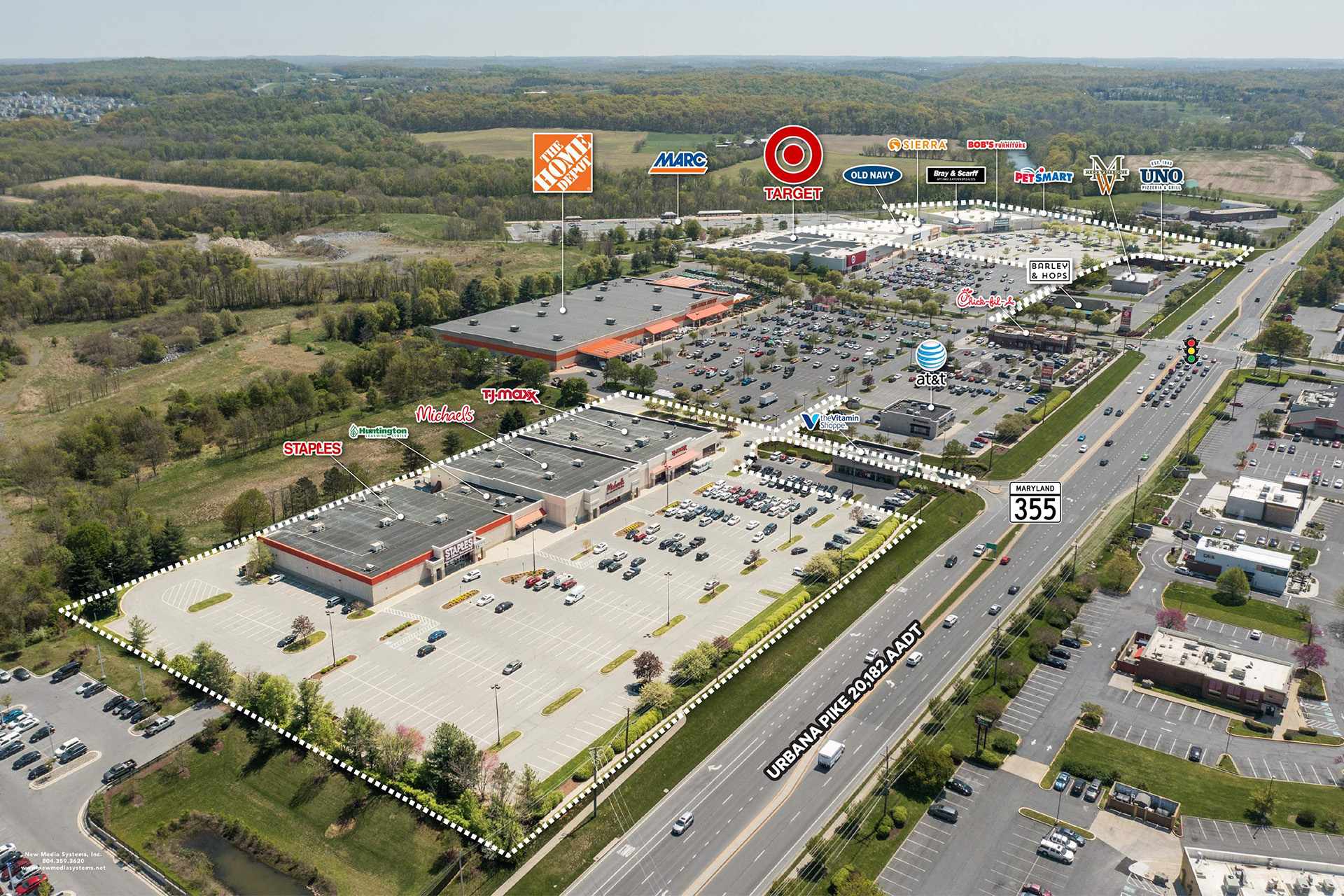
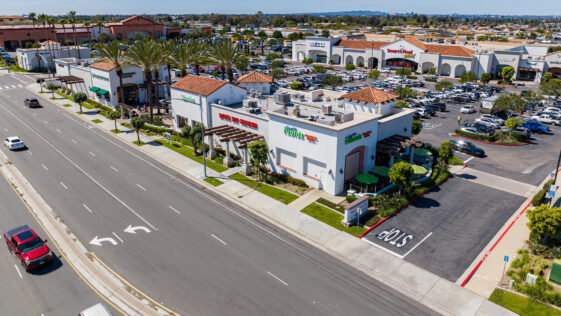
Regardless of any COVID-19 case fluctuations or economic downturns, Americans still want their daily cups of coffee. Most of the top coffee brands have accommodated the public’s need for quick, safe convenience by offering drive-thru capabilities in smaller spaces that are either standalone units or end caps with drive-up windows. Suburban-based power centers and strip malls along busy street thoroughfares, especially units near college campuses, remain sought after real estate for coffee tenants that are currently expanding, even more so than downtown urban spots. This is due to the continued uncertainty of stay-at-home workers returning to offices full time in the future.
Thanks to the daily habitual need of customers, coffee brands have proven to be top tenants. Most of these brands have a loyalty program, ensuring repeat customers. Coffee provides a lower cost guilty pleasure for consumers, and coffee dates still remain safe, convenient modes of gathering. Coffee and tea can be enjoyed throughout the day, and the non-alcoholic aspect of these drinks opens up the day-to-evening traffic for both millennials with families, and the under-21 teen/tween segment with disposable income. In addition to industry giant Starbucks, many other coffee brands are expanding, including Caribou Coffee, Dutch Bros Coffee, The Human Bean, Black Rock Coffee Bar, Coffee Bean & Tea Leaf, Bad Ass Coffee of Hawaii and Illy Caffé.
Starbucks expects to open approximately 450 new units in the U.S. per year over the next two to three years. The coffee leader will concentrate on about 45% of these units being drive-thru-only or pickup-only smaller units, in the 1,500- to 3,500-s.f. range, and locations will be centered on up-and-coming suburban sites in the Southeast, the Southwest and the Central Midwest. Starbucks continues to benefit from its customer loyalty rewards app.
In October, a rumor was leaked that Starbucks is in talks with Amazon about potentially opening newly branded units that will feature hot food items found in current Amazon Go stores, and these cafes will feature the pre-ordering cashierless “Just Walk Out” technology. Customers can also dine in the lounge area, or do a grab-and-go. The preferred audience would be time-crunched professionals in the 25- to 45-year-old range who live in densely populated urban environments.
Caribou Coffee announced last month that it is now franchising in the U.S. in order to increase its national footprint. This comes on the heels of its new ownership entity announced in September called Panera Brands, which is an offshoot of JAB Holding Company, and incorporates Caribou Coffee, Panera Bread and Einstein Bros Bagels. Caribou, which has lofty goals of opening 200+ units per year over the next 10 to 15 years starting in mid- to late 2022/early 2023, will be concentrating on expanding in the Northwest, Southeast and Midwest via multi-unit operators interested in opening at least 10 units each. Expect to see growth into new states, potentially Idaho, Utah, Kentucky and Tennessee, in addition to further growth in those states where Caribou is still underrepresented, including Illinois, Ohio, Oklahoma, Indiana, Wyoming and Michigan. Caribou expects its “Cabin” prototype — which debuted in 2019 and is a 550- to 650-s.f. drive-thru-only freestanding or end cap unit with a walk-up window and patio dining space — to be popular with the post-COVID convenience crowd, especially along busy suburban streets, interstates and in more rural communities. Caribou also offers its “Chalet” prototype, which is between 1,600 and 1,800 s.f. with or without a drive thru, and can be in inline spaces, in addition to end cap and freestanding pads. Caribou, with its mountain lodge-themed appearance, is known for serving clean caffeine drinks that don’t contain artificial flavors or sweeteners.
Dutch Bros Coffee is on an expansion trajectory, anticipating opening approximately 85 to 100 new units per year over the next four years, at least.
The Northwest-based coffee chain will not only infill with more locations throughout California, Colorado and Idaho, but will continue to push its presence throughout country, aided by a new Midwest-based coffee roasting facility expected to be built within the next year. After further Midwest growth into such states as Missouri and Tennessee by late 2024/early 2025, Dutch Bros anticipates expansion along the northern East Coast. The coffee company, which went public in September and sold enough shares to raise $482.2M, is seeking space for its latest drive-thru standalone prototype, between 865 and 900 s.f., in rural and suburban locations just off of main highways, ideally near high school campuses and universities. Its coffeehouse buildouts, which have one or two drive-thru lanes and outdoor patio dining if space allows, are primarily in outparcels in power centers or strip malls with co-tenants such as ALDI, The Baked Bear and Hobby Lobby. Dutch Bros is popular with the Gen Z/20-something crowd who gravitate to the brand’s energy drink, “Blue Rebel” that represents 24% of its total sales. The chain also sells coffee shakes, cold brews and espresso-based coffee, and has found success with its rewards program, accessed via its mobile app.
The Human Bean is on track to open approximately 30 new units per year over the next five years, via franchising. Look for upcoming growth to take place in new states, specifically in Loudon County, Va., northern Florida, Lexington, Ky., northern Mississippi, the central regions of North Carolina and Memphis, Tenn. Continued growth will also take place in Atlanta, San Luis Obispo County, Calif., Fresno County, Calif., northern Colorado, Canton, Ohio, Phoenix and Scottsdale, Ariz. The Human Bean prefers standalone sites for its new construction buildouts, consisting of 600-s.f. buildings that can accommodate either single or dual drive-thru lanes and, when applicable, outdoor seating. The brand will also consider end caps with a drive-thru window. Preferred locations are in suburban or developing rural locations in or near college towns and on busy highways or retail streets near other quick service brands, such as Chick-fil-A, or errand-related brands, such as a Shell gas station. Space can also be in strip centers with good street signage. The Human Bean, known for its fast service drive thrus, serves high-quality, smooth-flavored espresso-based coffees, whole leaf teas and real fruit smoothies. The chain also has a downloadable rewards app that offers points-based perks to its loyal customers.
Black Rock Coffee Bar expects to open between 20 and 30 new units per year over the next three years. Expansion will especially be strong in high-growth markets in the Southwestern states of Arizona, Texas and Colorado. Look for the MSAs of San Antonio, Phoenix and Denver to be the focus in 2022, especially suburban spots in traffic corridors that accommodate work/school/home commutes. Black Rock seeks standalone pads or end cap spaces, in the 800- to 2,800-s.f. range, with drive-thru window capabilities. Ideal space should be in high-traffic grocery-anchored neighborhood power centers or strip centers, with fast food co-tenants, including Domino’s, as well as popular errand-heavy brands in the vicinity, including gas stations, such as Exxon, and big-box retailers, such as Costco. Sites near college campuses are a plus. Black Rock received capital in December of 2020 from equity investment company, The Cynosure Group, to boost its franchise and corporate expansion goals. The coffee brand is known for its premium roasted coffees and teas, as well as other beverages, such as its smoothies and “Fuel” branded energy drinks.
Coffee Bean & Tea Leaf, which earlier this year hired a new president of U.S. operations, plans to double its unit size over the next eight years, amounting to about 25 to 30 new units per year until late 2027/early 2028. Markets initially targeted will be the major U.S. metros, including New York City, Chicago, Miami and Los Angeles, followed by popular secondary and tertiary cities throughout the country, such as Nashville, Tenn., Austin, Denver and Phoenix. The coffee brand would like to ultimately increase its presence to all 50 states via franchising. Coffee Bean & Tea Leaf is concentrating on growing its drive-thru units, which currently encompass only one-third of its total units. Ideal space range is between 800 and 2,000 s.f. for drive-thru units, frequently found in standalone or shared parcels within grocery-anchored power centers and lifestyle centers. Preferred co-tenants include high-traffic brands, such as Albertsons and Rite Aid. Coffee Bean & Tea Leaf continues to benefit from its purchase two years ago by Jollibee Foods Corp., which infused the brand with capital to assist with growth. Coffee Bean & Tea Leaf offers a rewards program, originated the concept of the ice blended coffee drink and provides unique handcrafted blends of its coffees and teas.
Bad Ass Coffee of Hawaii expects to open 20 to 25 new units in 2022, followed by at least 30 new units per year until 2025. The company recently signed new franchisees and growth is expected in the near future throughout Nashville, Knoxville, and Gatlinburg, Tenn.
New units will come to the suburbs of Phoenix and Dallas, Rochester, Minn., Washington, D.C., Northern Virginia and the Inland Empire area of Southern California. The coffee franchise is also eyeing potential expansion into Georgia and the Carolinas. Bad Ass Coffee looks for high-visibility space in the 1,200- to 1,800-s.f. range in either an end cap or a freestanding building with drive-thru capabilities, in grocery-anchored shopping centers, lifestyle centers or power centers on high-traffic commuting thoroughfares. Nearby mixed-use developments, high schools or college campuses and tourist-themed locations are an added plus. Preferred co-tenants include popular restaurants and daily visit brands, such as 24 Hour Fitness. Bad Ass Coffee has Hawaiian-theme interiors and is famous for its Kona coffee selections.
The Italian-based Illy Caffé hired a new president of its U.S. operations in April and expects to expand at a rate of about 15 to 20 new units per year over the next four to five years. Illy Caffé sold 20% of its company to the U.S. investment firm, Rhone Capital LLC, last year, to help fuel its national growth. Illy Caffé seeks space in the 1,300- to 2,200-s.f. range, and will target markets with a large cosmopolitan audience, such as New York City, San Diego, Seattle, Raleigh-Durham, N.C., Houston, Dallas and Austin. Look for ideal spots to include high-end malls and lifestyle centers in popular tourist destinations, ground-floor retail spaces in thriving hotels and office buildings, and airport spots in busy international hubs. Illy Caffé serves authentic Italian coffee in addition to sandwiches, wraps and salads.