Immersive art concepts are definitely a growing trend in the U.S., with brands in this category taking over large vacant spaces not just in empty warehouses, but also in retail malls. A few of these concepts are even franchising their business model, and are ready to embark on major growth in the U.S.
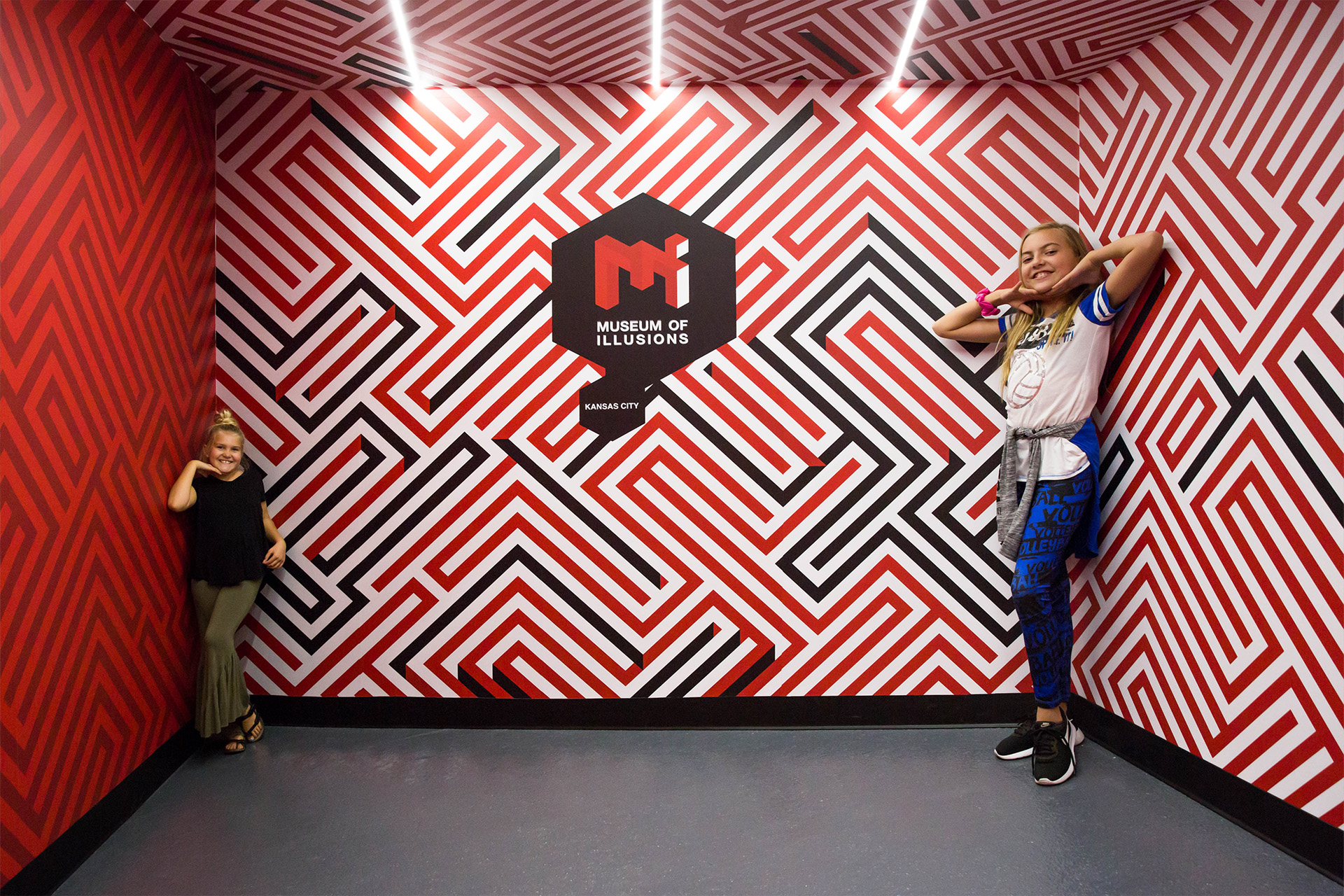
One such brand is Museum of Illusions, a walk-through immersive experience that calls its concept “edu-tainment,” as it incorporates optical illusion learning components through its brain-teasing features.
“Museum of Illusions is unique, in that it combines an interactive entertainment experience with educational elements into museum exhibits,” said John Benjamin, the CEO of Museum of Illusions. “Our museums combine art, math and science into illusions with digestible explanations that make it easy for guest to learn while also having fun.”
Museum of Illusions first originated in Croatia in 2015, and is fast becoming a worldwide phenomenon. With major expansion goals expected in the U.S., the brand anticipates relocating its corporate offices to Atlanta, Ga., by the end of the year. On August 3, 2022, Museum of Illusions announced plans to open a location at the Mall of America in Minneapolis, Minn., in early 2023.
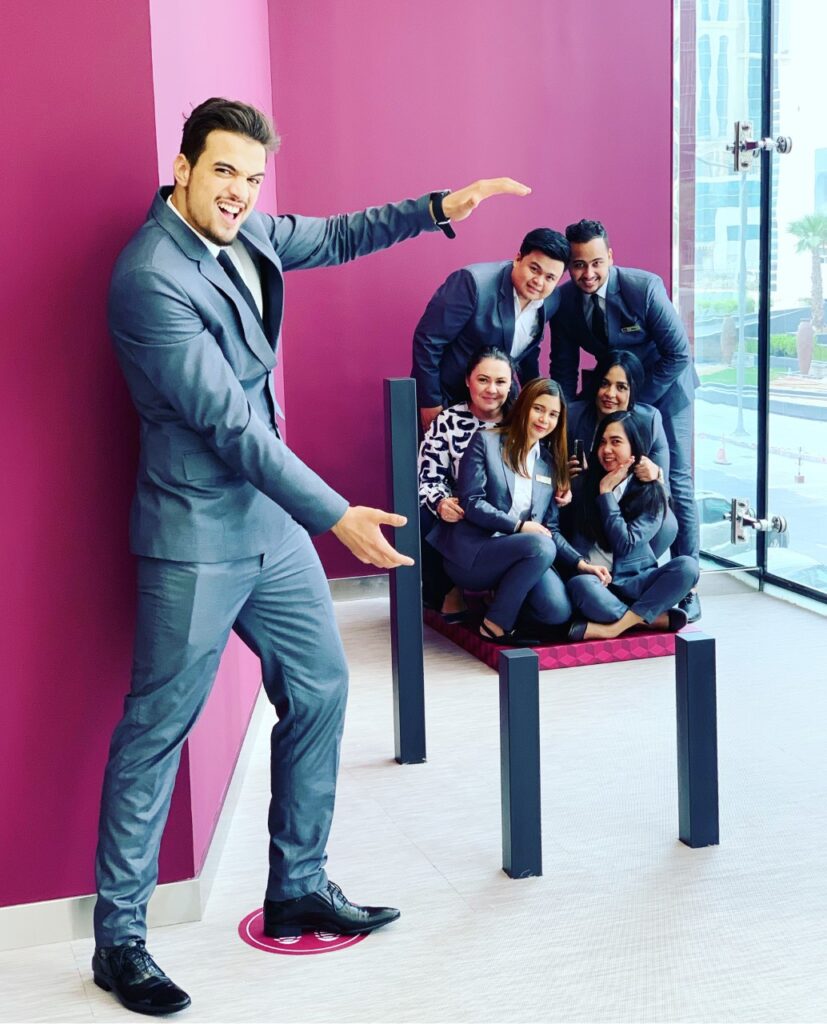
The Museum of Illusions brand seeks out space in standalone buildings, as well as mixed-use sites; indoor mall spaces will also be considered. Locations in tourist-heavy spots, and sites with a college nearby, are also sought after. Preferred co-tenants include other entertainment-themed brands and popular eateries.
“We target mostly urban demographics and other areas with a large concentration of millennials, 20-somethings and young families,” Benjamin said.
This type of tenant is great not just for attracting families, teen groups or date night customers, but it also appeals to larger gatherings for such events as birthdays, company team building outings or even school field trips. The interactive and immersive exhibits change every few months, allowing repeat customers to continue to be captivated.
Expect to see more of these immersive art concepts in the future, as the country’s populace has proven it is willing to pay money for something that enlivens their senses and boosts their moods.
“The immersive concept is becoming popular as it gives people the opportunity to experience art, rather than just look at it,” Benjamin said. “The pandemic raised the bar for what people expect out of entertainment and put an importance on how these interactive experiences make them feel.”