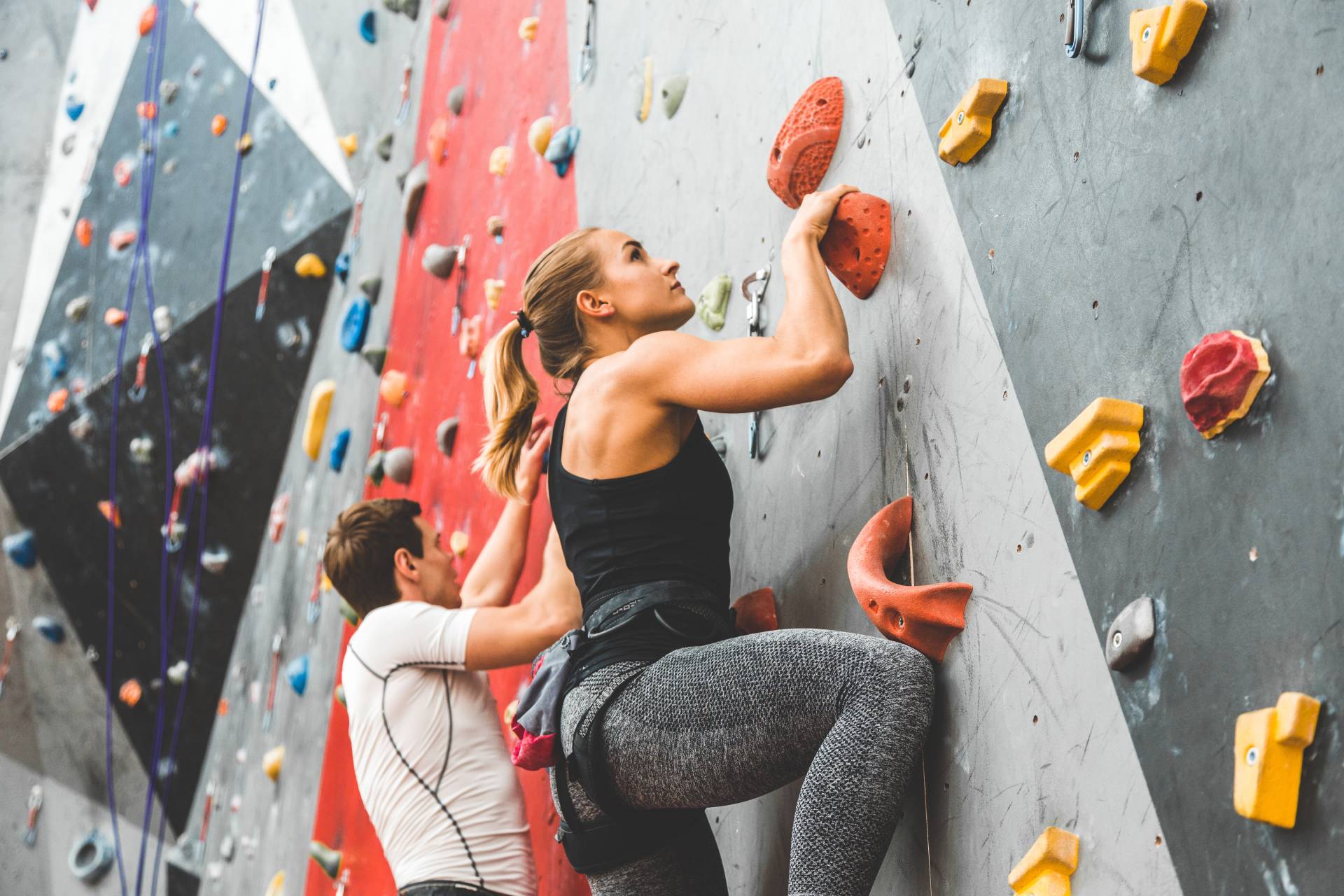
Indoor rock climbing received a lot of attention during the summer of 2021, as it was the first time the sport was in the Olympics. All of that airtime turned the activity into a national phenomenon. Last year, the U.S. saw more indoor climbing gyms open than at any other time in history. The mental and physical challenges of rock climbing attract fans of all ages and expertise levels.
Taking up space in the 10,000- to 40,000-s.f. range, these climbing-themed tenants work well as anchors for retail shopping centers, as the facilities generate a lot of customer traffic. Thanks to membership policies, its customers visit multiple times a week and stay in the center to either shop or dine. In addition, rock climbing tenants tend to be flexible with regards to potential spaces, including the ground floor of mixed-use buildings, repurposed warehouses, industrial and even abandoned standalone buildings, such as churches, provided the space has high enough ceilings, generally in the 40-foot range. Ideal demographics are health-conscious, fitness-minded Gen Z’ers and millennials with disposable income, although the sport does attract all age groups. Areas sought after are in or near densely populated metros with a large number of multifamily developments. Be on the lookout for Movement, Gravity Vault, ClimbZone, Bouldering Project and Central Rock Gym to open new units in the future.
The Movement brand is now at 20 gyms nationwide, as its ownership company, El-Cap Movement, which owns the Planet Granite, Earth Treks and Movement Climbing + Fitness rock climbing brands, decided to rebrand all of the entities to the “Movement” name last December. As for future growth, look for the Dallas/Fort Worth region of Texas and the outskirts of Chicago to see immediate expansion. New units are expected to open at a rate of five to 10 per year over the next three years, beginning in 2023. Growth is anticipated to eventually take place in high-growth affluent metros such as San Diego, Phoenix and Scottsdale, Ariz., Raleigh/Durham, N.C., and potentially Atlanta and Miami.
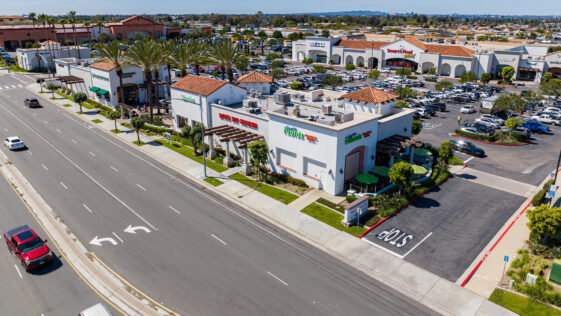
Movement prefers inline, end caps or standalone refurbished industrial buildings in or near trendy urban street-front spaces, or even high-end lifestyle centers in the 30,000- to 45,000-s.f. range, if ceiling height permits. Former industrial furniture showroom spaces have worked well for the brand, such as the 30,191-s.f. standalone former Bassett Furniture building in Fountain Valley, Calif. Its demographic base is the high-earning millennial interested in mind/body fitness, and ideal co-tenants include health food restaurants, such as Sweetgreen. Movement offers not just climbing walls, but also yoga studios, cardio fitness areas and a retail gear shop.
Gravity Vault plans to open up to five new units per year over the next three years, with that number possibly growing higher beyond 2025. Long term, Gravity Vault has a goal of opening units in all 50 states. In the immediate three-year time frame, Gravity Vault expects to continue opening new gyms in underserved markets throughout New Jersey, New York and Pennsylvania, in addition to adding units in the San Francisco Bay Area. The brand is also scouting out all areas of Florida for growth. Ideal spaces are in affluent suburbs of major metros, in grocery-anchored power centers and entertainment-themed malls near new development condos or apartments, in addition to former churches, repurposed warehouses, industrial buildings and standalone sports center facilities in non-residential areas. Gravity Vault has also successfully been the ground-floor tenant of new mixed-use apartment developments, such as its 12,000-s.f. bouldering-only rock climbing unit that opened on the ground floor of an apartment building last year in Montclair, N.J.
Ideal spaces are in the 12,000- to 18,000-s.f. range, and half of the potential unit needs to accommodate 40-foot ceilings. The remainder of the unit can have 25-foot ceilings for bathrooms, party rooms and yoga rooms. Gravity Vault prefers to be the anchor tenant, and it can help boost traffic to co-tenants such as restaurants and grocers. The brand looks for more upscale, health-oriented co-tenants that appeal to its customer base, such as Trader Joe’s or Whole Foods Market, and other sports-minded entertainment brands, such as X-Golf. Gravity Vault is a rock climbing franchise that features different terrains that cater to all skill levels, from the beginner to the expert climber.
Introducing a new slant to the rock climbing trend, ClimbZone hopes to open up to five of its family friendly, kid-oriented versions of a typical rock climbing venue per year over the next three years. ClimbZone is currently eyeing potential spots in densely populated major metros throughout all of Florida and California, and is in talks to open units in Dallas and Philadelphia. This brand is quite flexible with potential spaces, provided there is a minimum of 28 feet for the ceiling, but its units are generally in the 25,000- to 30,000-s.f. range. Standalone buildings, semi-industrial and strip mall units work well, and the brand is interested in spaces such as former wholesale stores, restaurants and even theaters. Preferred sites are in “destination” retail areas with ample parking and a collection of child-oriented co-tenants that are non-competitive to its own climbing category such as Goldfish Swim School or Ninja Nation.
Unique mall units, including near food courts, can even be configured with 8,000 s.f. of space utilizing glass encasements for walls. ClimbZone did this for its unit in the food court of the Palisades Center in West Nyack, N.Y., which will open before the summer. This year alone, ClimbZone already opened a 41,000-s.f. unit at a mixed-use plaza in Chicago in late January, and by summer will also open another 8,000-s.f. unit at the Mall of America in Bloomington, Minn. ClimbZone is known for its vibrantly colorful children-geared climbing panels that feature such entertaining images as a Mount Rushmore recreation, emoji faces and rocket themes. Its larger venues also feature a party gathering room and arcade areas.
Lately, Bouldering Project has been the buzz of the rock climbing realm. The brand not only opened its second unit in Austin in December and is on board to open its first unit in Salt Lake City in the spring, but Bouldering Project also acquired three rock climbing gyms that had been formerly owned by Brooklyn Boulders, located in Brooklyn, N.Y., the Eckington neighborhood of Washington, D.C., and Somerville, Mass., located just outside of Boston. Bouldering Project has hinted at further growth, especially in the Northeast region, and will potentially expand into areas, via new units or acquisitions, where it is underrepresented. Growth can be at a rate of between two and six per year in the coming years. Look for up-and-coming markets throughout the Southeast, the Southwest and the West to be targeted. Potential hot spots may include Columbus, Ohio; Atlanta; Boise, Idaho; Phoenix; Nashville, Tenn.; and Winston-Salem, N.C.
Bouldering Project looks for spaces in the 18,000- to 40,000-s.f. range, preferably end caps in either semi industrial/warehouse spaces, lifestyle or regional centers and the ground floor of mixed-use buildings in urban environments. Sites should have health, mind/body wellness and fitness-related co-tenants, such as Bath & Body Works or Big 5 Sporting Goods. Locations near trendy multifamily developments are ideal. The Bouldering Project can not only provide top-of-the-line bouldering panels, but also other services such as yoga classes, weightlifting, a café, and even co-working facilities, if space permits.
Central Rock Gym will continue its growth in the Northeast — specifically throughout New England — and will be opening three new gyms this year in the Boston area alone. Further expansion is anticipated in states where the brand has room to grow, including metros, secondary and tertiary markets in Connecticut, Rhode Island and New York. Central Rock Gym hopes to continue its goal of opening up to four new gyms per year over the next two years. Its units average 15,000 s.f. and potential sites can include standalone buildings, warehouse spaces, ground floors of mixed-use buildings and urban shopping district spaces.
Ideal sites would be in neighborhoods popular with the 20- to 35-year-old audience, and nearby apartments and condominiums are a plus. Preferred co-tenants can include other non-competing fitness brands, such as F45 Training, and restaurants geared toward the Gen Z and millennial crowd, including City Works. Central Rock Gym is renowned for its bouldering walls, its rope-climbing walls, its yoga and cardio fitness rooms and its lounge areas.