While capital will be available in the retail sector, lenders will be extremely cautious. The pandemic has forced many lenders to leave the retail space altogether, and those that remain will be more conservative with higher pricing and leverage. Some lenders will want to wait at least another three to six months before re-entering the sector. Leverage will be down 5% to 15% across the board and borrowers will have to bring more equity into the deal. Do not be surprised to see most lenders keep leverage in the 50% to 65% range, since they do not want to take on too much risk. Grocery- and drug-anchored retail could see slightly higher leverage in the 65% to 70% range. Rates will start at 4% to 4.5%, while unanchored retail deals will start around 5%. Debt yield will be in the 9% to 10% range. Recourse is coming into play more than in the past and borrowers will need a higher net worth and more liquidity.
Count on banks big and small to put most of their focus on existing clients. New retail construction lending has come to a complete standstill. MUFG Union Bank, BankFinancial, Associated Bank and Fidelity Bank will be extremely cautious. Bank pricing will be in the mid-single digits and count on some level of recourse. Banks will also require six to 24 months of principal and interest reserves to be funded at escrow.
Life companies such as Principal Real Estate Investors, John Hancock, Symetra, Kansas City Life, Securian, Security National Commercial Capital, Farm Bureau Insurance and OneAmerica will target the best deals. New York Life and Pacific Life will be active but selective. Thrivent Financial targets anchored retail where anchors must lease more than 65% of the overall space. Woodmen of the World will only seek centers with food and drug anchors, while Aegon and Guardian Life will focus on infill grocery-anchored centers.
Rates will start in the 4% to 4.25% range with many life companies only going up to 55% leverage. Count on LCs to be careful of centers with gyms, restaurants or bars. StanCorp Mortgage Investors will consider strip retail but will do full-scale due diligence and look carefully at tenant-by-tenant rents starting from March. The life company will require 100% recourse and a minimum net worth of $5M or three times the loan amount.
CMBS lenders, including Wells Fargo, Natixis Real Estate Capital, Argentic, CCRE, KeyBank, Starwood Mortgage Capital and Basis Investment Group, are back but there will be a flight to quality and increased focus on strong borrowers. Morgan Stanley and UBS will be cautious.
Bridge and private money lenders such as Emerald Creek Capital, Arbor Realty Trust, Edgewood Capital, Gelt Financial, Freedom Financial Funds, W Financial, Bloomfield Capital, BridgeInvest and Lone Oak Fund will consider retail loans. A10 Capital will be selective, while Ready Capital Corporation will only seek essential retail deals. Anticipate debt funds and private money lenders to have high single-digit to low double-digit rates.
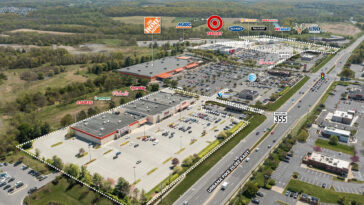
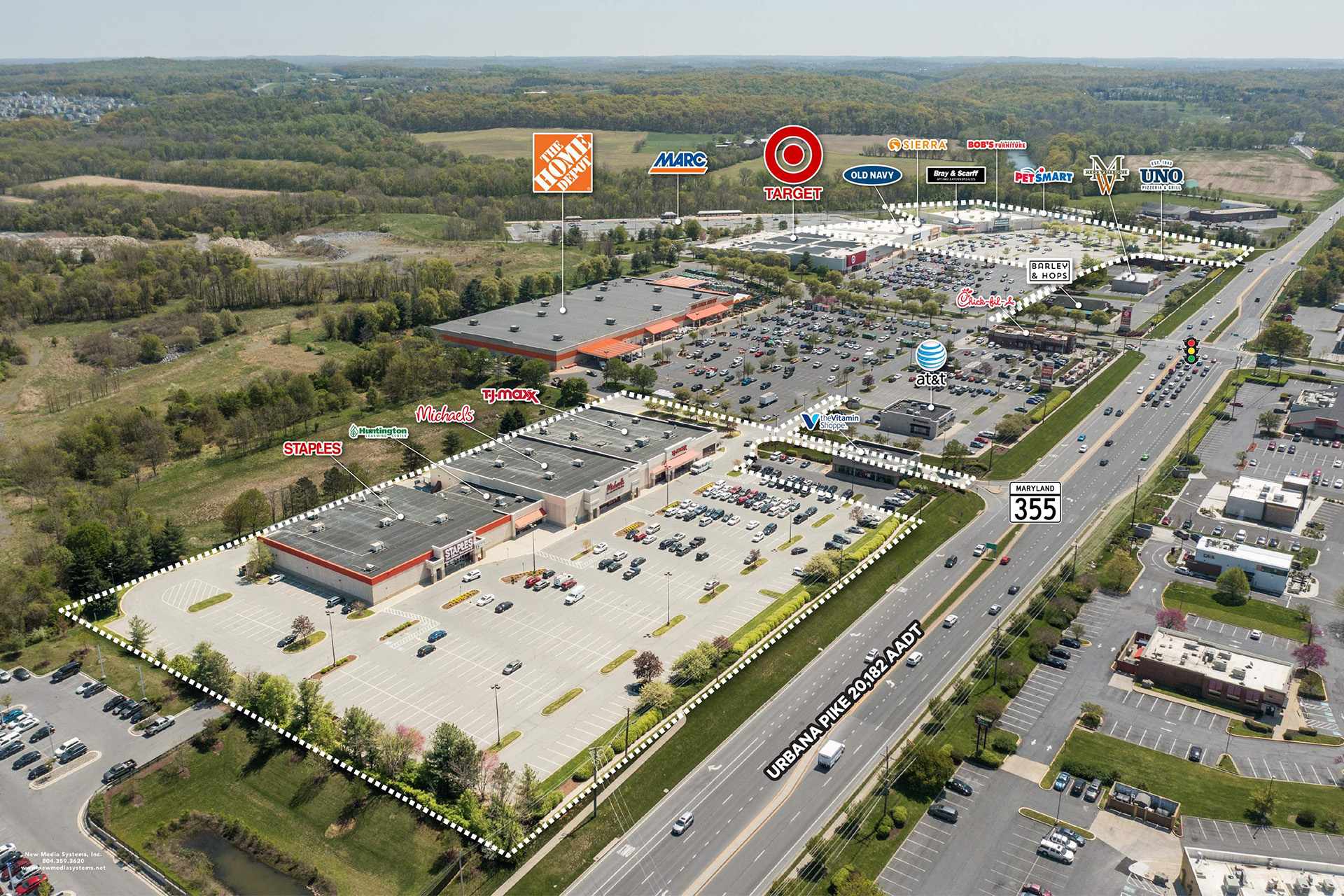
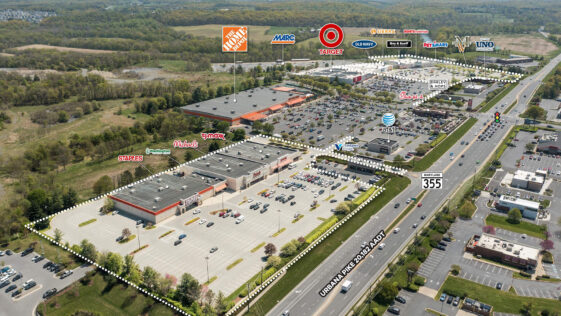
The retail industry has completely turned on its head with many larger retailers filing for bankruptcy or not paying rents. As people still need essentials, centers with grocery, drug, liquor and discount stores will be the most sought after, with lenders confident these tenants will be able to pay rent in the long term. Retailers such as Target, Aldi, Trader Joe’s, CVS, Walgreens, Costco and major grocery chains will be the most sought after. Drive-thru food tenants will be considered, while standalone restaurants will have a tough time going forward. Look for a major shift toward outdoor retailers, such as golf and tennis stores. The recent reliance on contactless delivery has put focus on properties where the tenants can convert to drive-thru concepts. The increasing demand for e-commerce goods means retail will be shifting toward warehouse use and look for many owners of big-box retail centers to convert their space.
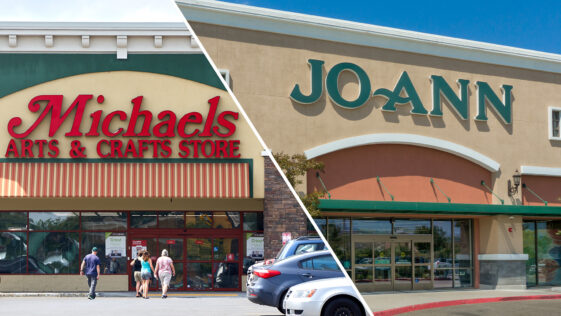
Retail assets in dense urban cores, mom-and-pop strip centers, vacant properties and major malls will be the toughest to finance. Experiential retail, gyms, sit-down restaurants, hair salons, nail salons, spas, bars and movie theatres will be the toughest. Even as these re-open, new social distancing rules means a drop in revenue. Lenders will want to see stability of rent rolls, and if tenants are open for business and have been paying rent since March, then capital will be available. There will be more focus on month-to-month rents and lenders will be nervous about leases that expire soon.
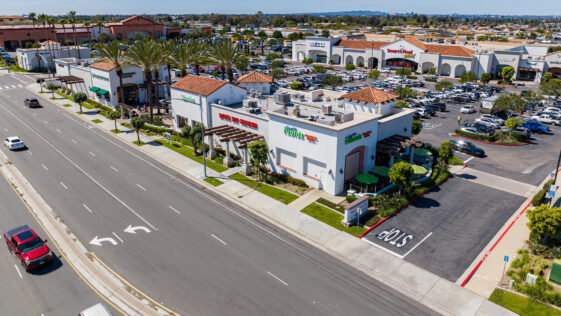
Moderately dense suburban markets will now be the most sought after, as people move out of the dense downtown metros and seek space. Lenders will target retail deals in the outskirts of major MSAs such as Orange County, Calif., just outside of Los Angeles or New Jersey and Connecticut outside of New York City. Lenders will be comfortable in coastal markets, although any areas that rely on tourism and/or college traffic will be the toughest to finance.