More and more lenders will be open to retail deals going forward. The retail financing market will continue to improve, particularly as lenders look to find yield and opportunities outside of the industrial and multifamily asset classes. Next year, the outlook for retail will be tied to the overall economy as consumers drive tenant sales, which drives the durability of tenant rents and property cash flows. Consumers have returned to purchasing in a big way post-pandemic and retailers are adapting to a new normal that includes more e-commerce sales. Currently, most sources of retail loan liquidity are coming from the CMBS and debt fund sectors. Keep an eye out for a resurgence of life company and banks funding an increasing number of retail loans going into 2022.
Rates will be in the low 2% to 5% range. Grocery-anchored deals will see 2.75% to 3.25% rates at moderate leverage, while other deals will start around 3.25% to 3.75%. Borrowers will see leverage reach 60% to 70% for the best assets. DSC will be in the 1.30x to 1.45x range, although grocery-anchored deals will start at 1.25x. Big-box retail and malls will need 1.50x to 1.60x DSC. Debt yield will be around 8% to 9%. Expect a preference for acquisition loans as there is fresh cash coming into the deal. Lenders will start to consider lower vacancy factors, lower cap rates on stabilized centers and faster lease-up assumptions when underwriting.
Banks such as Bank OZK, Chase, MUFG Union Bank, Pacific Premier Bank, Applied Bank, TIAA Bank, Bank of Hope, Frost Bank, Ameris Bank and Fidelity Bank will be active. CIBC seeks cash-flowing retail in strong markets, while Washington Trust targets grocery-anchored and essential retail. HomeStreet Bank, Banc of California and Associated Bank will be selective. Banks will provide 50% to 65% leverage. Rates will start around 3.25% to 4.25%. Bank lenders will be focused primarily on excellent sponsorship where they can see a larger relationship and they will chase grocery-anchored retail deals. Expect banks to require personal guarantees.
CMBS lenders such as Wells Fargo, Morgan Stanley, Goldman Sachs, Ladder Capital, Starwood Mortgage Capital, Citi, KeyBank, UBS, Argentic, Basis Investment Group and Sabal Capital Partners will also be active. Borrowers will see 60% to 70% leverage and 3.5% 10-year fixed rates. Debt yield could drop below 8% for the best-in-class properties. CMBS will be the best bet for retail centers in small markets.
Life companies such as Northwestern Mutual, Guardian Life, StanCorp Mortgage Investors, John Hancock, Securian Asset Management, Allstate, AIG, American Equity Life, Lincoln Financial Group, Nationwide, PPM, State Farm, RiverSource and Security National Commercial Capital will fund deals. Symetra will consider essential retail, while National Guardian Life will be selective.
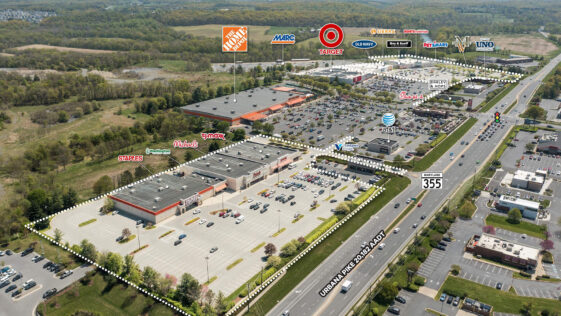
There will be a much bigger focus on who the tenants are and how they performed over the last year. Major grocery chains, such as Publix; drug stores, such as Walgreens; home improvement stores, such as The Home Depot; and needs-based retail tenants will be the most sought after. Tenants that have not been able to transition to e-commerce sales will not be targeted.
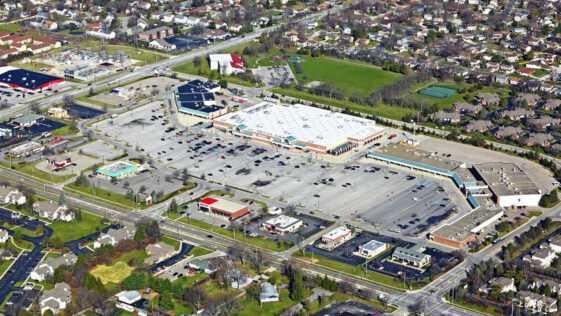
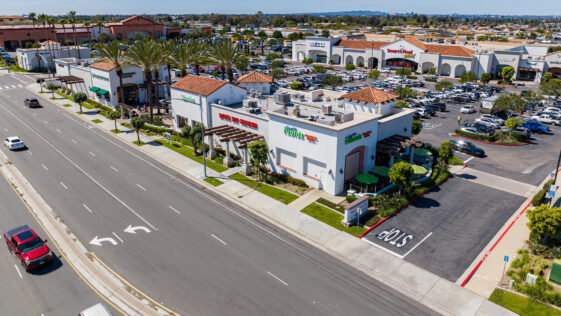
Grocery-anchored retail with a high portion of the income coming from grocers will continue to be the most sought after, while high-street retail and malls will be tougher to finance. Although, big-box retail or malls that can be converted to another property type will be considered as a worst-case scenario option. Lifestyle and community centers are becoming more in favor, and lenders will also seek strip retail properties where the tenants performed well over the last year. If there is not a grocer, lenders will want an infill high-traffic location, excellent tenant sales and strong credit tenant profiles.
Markets seeing an increase in population and job growth that offer a lifestyle city dynamic, as well as low-tax and business friendly locations, are gaining the most interest from lenders. Retail centers in the Southeast, Tennessee, Georgia, Florida, the Carolinas, Texas and Arizona, and suburbs of gateway markets will be preferred. Centers in the Northeast and Midwest will be tougher.