Retail lending is returning to normal levels, especially as businesses are opening back up and consumers have money to spend. Some lenders and investors, however, caution that this boost in spending is only temporary. Select lenders will be slow to return if they were burned throughout COVID-19 but others, especially banks, are quickly re-entering the space. Any retail center that is open for business and paying rent will see available capital during the second half of the year. Borrowers are seeing more options now than six months ago but they need to be flexible with terms, as lenders could provide lower leverage and higher debt service coverage ratios than in 2019. Watch for more and more lenders getting back into this product type, while COVID reserves put in place last year start to slip away.
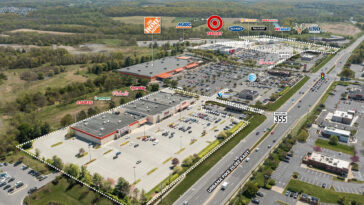
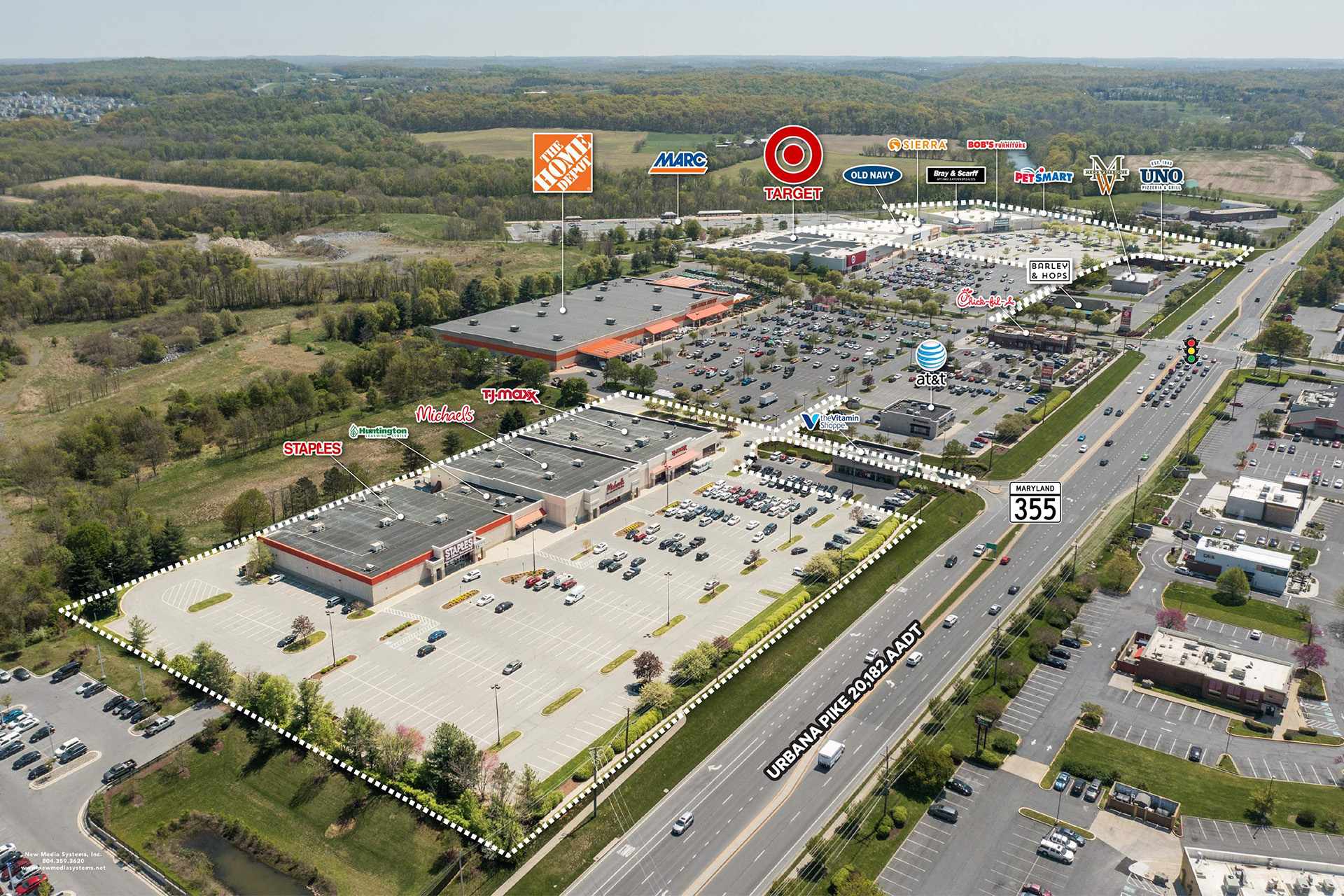
Retail centers with a Publix, Walmart, Target, Starbucks, Marshalls, Dick’s Sporting Goods, TJ Maxx or Burlington will be desired. Discount retailers such as Dollar Tree and Dollar General will also see lender demand. Specialty stores such as Edible Arrangements and service-based retailers such as hair salons that are Amazon-resistant will also be favored, as long as they can show improving sales. Movie theatres, gyms and soft goods that can be replaced by internet shopping will still be tough. There has been a change in vacancy in many centers due to the pandemic and lenders will have to embrace more unique tenants such as cannabis stores, pop-up shops and healthcare brands that are filling empty spaces.
Borrowers will see 60% to 70% leverage, with most deals landing at 65%. Rates will be in the 3.5% to 5%+ range depending on risk level. Assets with a strong grocery tenant and experienced sponsors will see rates start as low as 3%, while power centers will be in the 4% to 5% price range. Most properties will require a higher DSC of 1.35x to 1.65x and lower leverage around 60%. Debt yield will be 8.5% to 11%+.
Banks such as Pacific Premier Bank, ICBC, Ameris Bank, Axos Bank, EagleBank, Applied Bank and Cathay Bank will be active. Fidelity Bank seeks single-tenant investment-grade retail deals. Bank lenders will consider non grocery-anchored retail assets in primary, secondary and even tertiary markets, as long as the borrower can show strong sales. Borrowers will see leverage reach 65% to 70% of cost for acquisition loans. Count on banks to want full recourse and seek 8.5% to 9% debt yield. Life companies, including Securian Asset Management, John Hancock, RGA ReCap, RiverSource, Guardian Life, Farm Bureau Insurance, National Life Group, StanCorp Mortgage Investors and Hartford will fund retail loans.
CUNA Mutual will seek low-leverage deals, while Pacific Life and MetLife will be selective. Expect LCs to target well-located grocery-anchored retail centers in primary markets and to stray from non grocery-anchored retail in smaller areas. Borrowers will see leverage reach 60% to 65% with non-recourse or partial-recourse requirements. CMBS lenders such as Wells Fargo, Goldman Sachs, Morgan Stanley, UBS, KeyBank, Argentic, Basis Investment Group and Starwood Mortgage Capital are becoming more active in the space. Sabal Capital Partners will be selective, while Ready Capital will only target essential retail. CMBS loans will be non recourse but at higher pricing and lower leverage.
Expect lenders to look closely at the location, market rents, the tenant mix, tenant quality, lease rollover and property history. Anticipate lenders to highly scrutinize rents relative to total sales, along with the remaining lease terms.
Lenders will want to know how the property performed during the pandemic and if all the tenants are currently paying their full rent. They will also want to know about any rent relief provided during the last year.
Watch for lenders to target grocery-anchored centers and credit single-tenant deals with strong sales histories. Only a select few lenders will quote unanchored strip retail centers with shorter term leases. Big-box power centers and enclosed malls in smaller markets will remain tough. Lenders will target retail assets in growth states such as Florida and Texas and others throughout the Sunbelt. Core locations with high-traffic counts and favorable demographics will be desired. Lenders will focus on needs-based retailers, quick-service restaurants, grocers and pharmacies. Any tenant that attracts millennial shoppers, such as restaurants, bars and entertainment brands, will also be sought after.
Look for lenders to heavily scrutinize the borrower’s track record of leasing and repositioning. The payment history through the pandemic will also be considered. First-time real estate owners will be tough to get approved, especially with banks. Net worth should equal the loan amount for banks and 2x the loan amount for life companies. Liquidity needs to be at least 10% of the loan amount.