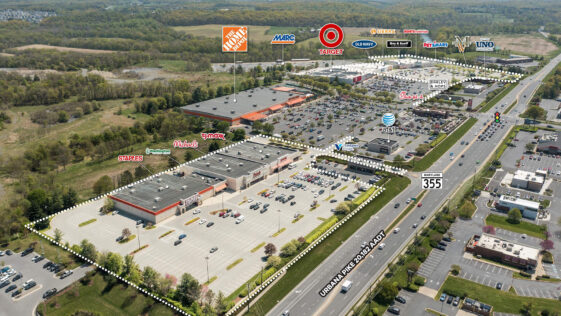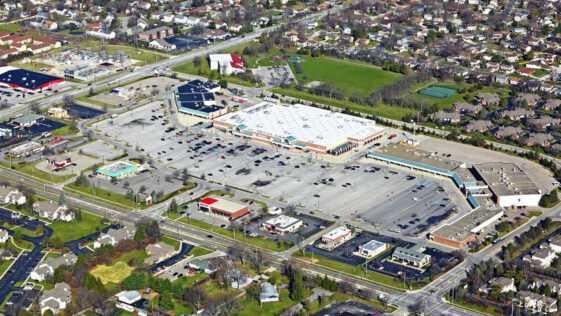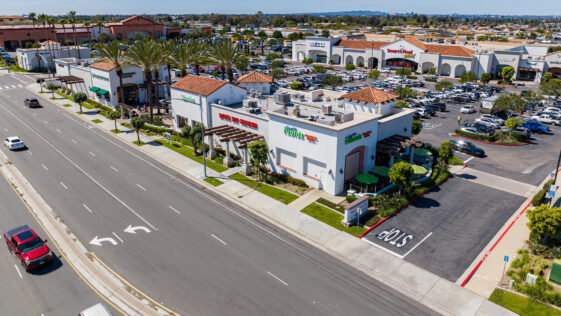
There is plenty of available capital for retail, although there is still a flight to quality in the sector. Lenders will be cautiously optimistic, especially since retail is seeing low vacancies across the country as inventory is tight, which is driving rents up. Many lenders are also full on multifamily and industrial, and retail is the next best choice. Lenders are looking at the ability to replace tenants in the event of a vacancy, with some lenders preferring smaller spaces where it is easier to find replacement tenants. Look for more scrutiny in lease rollover and tenant sales. Lenders will want to see favorable sales and operating histories.
Deals will be affected by LTV and the higher interest rate environment, which will inhibit proceeds. Borrowers will see 55% to 70% leverage. Rates will be in the 5.5% to 8% range. The debt yield minimum will be 10% to 11%, while enclosed malls will be 12%+. DSC will start at 1.25x to 1.35x.
Local and regional banks such as Bank OZK, TIAA Bank, EagleBank, Banc of California, Provident Bank, First Bank, Farmers & Merchants Bank, Applied Bank and Wallis Bank will be active. Fidelity Bank seeks single-tenant investment-grade retail deals.
Life companies such as MetLife, Voya Investment Management, Pacific Life, PGIM Real Estate, Apollo, Nationwide, StanCorp Mortgage Investors, Symetra, Ameritas, Aegon, John Hancock, Securian Asset Management and CUNA Mutual will fund deals. Thrivent seeks grocery-anchored properties. Borrowers will see 60% to 65% maximum leverage. Life companies will target Class A trophy properties with nationwide tenants and new long-term leases in place.
CMBS lending should pick up again during the second half of the year. Look for Wells Fargo, Deutsche Bank, Goldman Sachs, Citi, BofA, Morgan Stanley, UBS, KeyBank, Greystone, Argentic and Basis Investment Group to be active in any retail deal including malls. Borrowers will see 65% maximum leverage with the CMBS lenders. Rates will be in the low to mid-7% range.
Look for a focus on grocery-anchored or shadow-anchored sites. Class B and B+ centers will be strong, while Class A luxury properties could see some vacancy issues. Strip centers in non-primary markets, mom-and-pop regional centers and indoor malls will be the toughest to finance. Keep an eye out for more build-to-suit financing. Lenders will seek developers with major brands and credit tenants with strong guarantees are commanding the best terms.
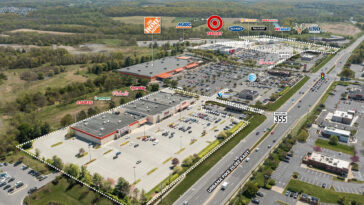
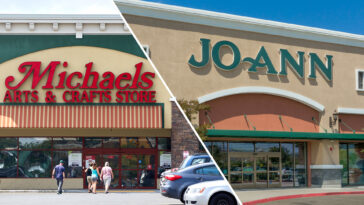
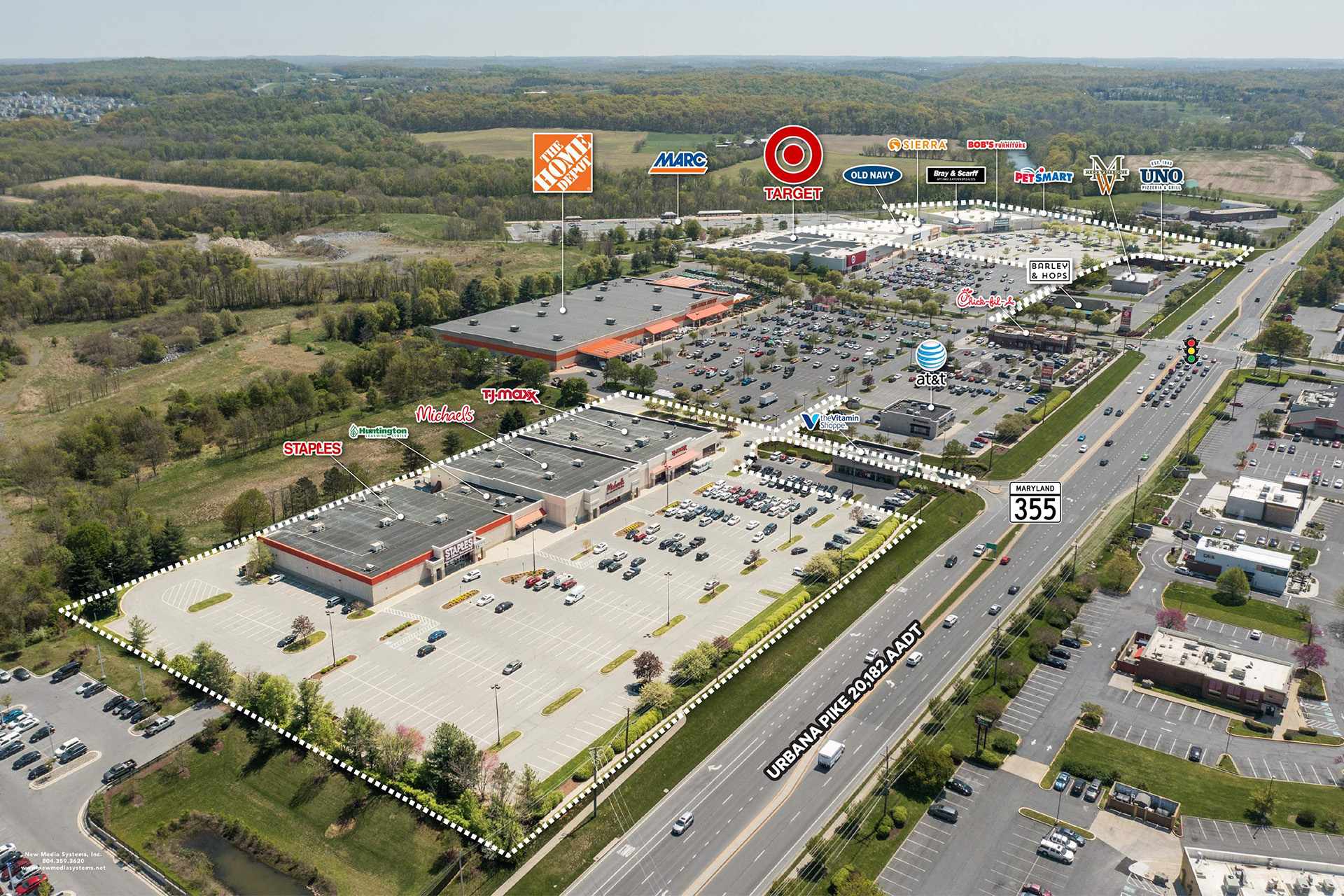
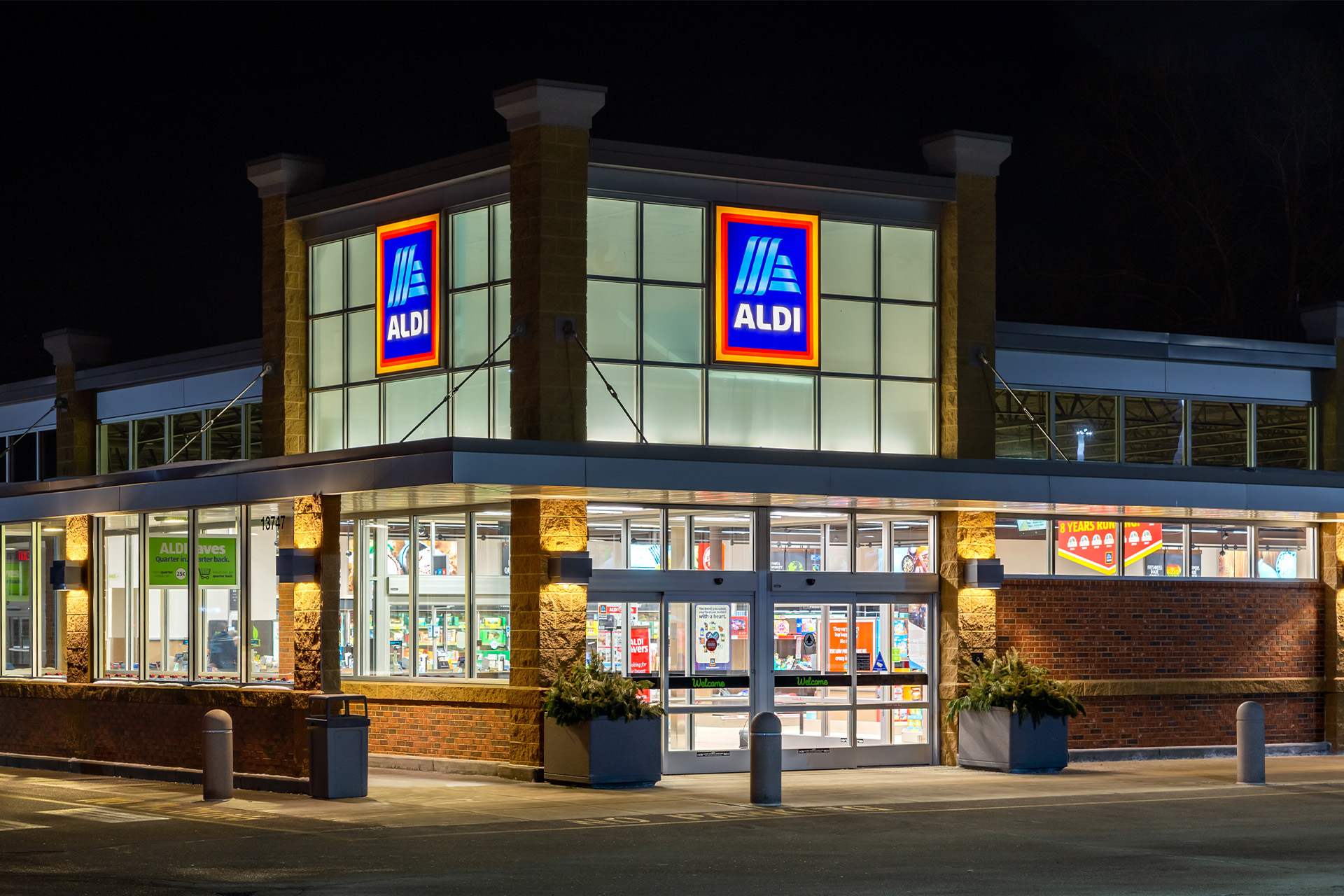
Lenders are focused on national brands or regional retailers with multiple locations. Amazon-proof tenants such as nail salons, barber shops, tractor supply shops, auto parts and home improvement centers will be targeted versus centers that have tenants whose products or services can be found online such as Walmart and Target. Grocers will be highly sought after along with wholesales stores such as Costco, Sam’s Club and BJ’s Wholesale Club. Dollar stores, Aldi and discount brands such as T.J. Maxx have seen recent success and continue to expand. Luxury brands like Lululemon and beauty stores such as Ulta Beauty are also preferred. Retailers such as Macy’s and Kohl’s are struggling as middle-income shopping is seeing a major pullback as consumers become more sensitive to spending with higher inflation. Also, look for some caution around gyms and movie theatres. Lenders will feel safer with a tenant that has been in a location for a long period of time and has extended its lease, which shows the strength of the property.
The location has become more important, and lenders will take a close look at market fundamentals over the last 12 months. Count on buyers and lenders to stay away from any areas with a recent increase in crime. Phoenix, Dallas, Austin, Miami, Charlotte, N.C., New York City, the Carolinas and parts of Tennessee and Kentucky are some of the hottest areas due to the increasing populations and demand drivers such as affordability and job creation. Some Midwest locales such as Indianapolis, Milwaukee, Madison, Wisc., Cleveland, Cincinnati and Columbus, Ohio, will see more lender interest going forward. Cities such as San Francisco, Portland, Ore., Washington, D.C., Chicago and Philadelphia are still struggling to rebound.