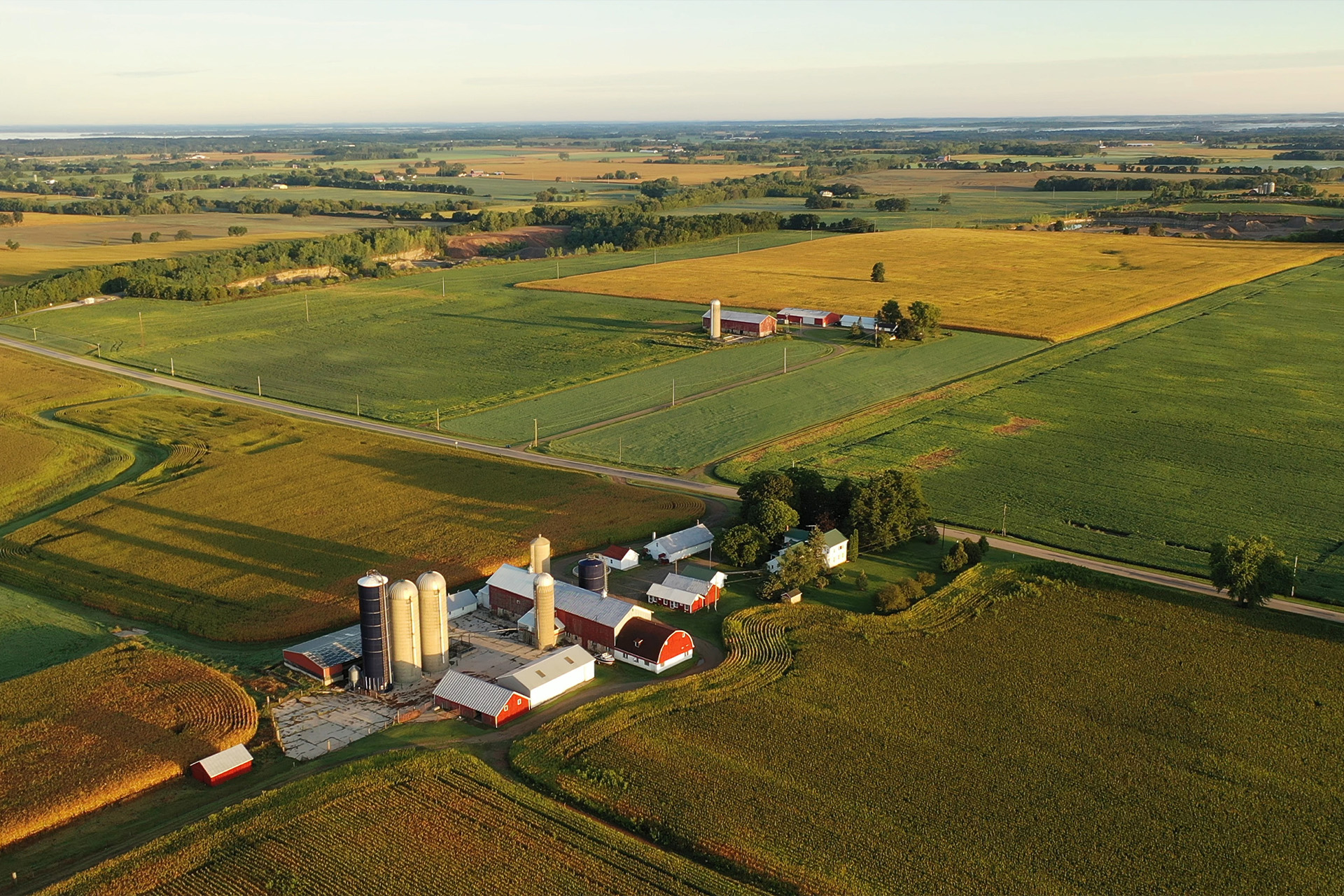
With inflation woes continuing to affect the standard of living for many Americans, there has consequently been some migration to more rural communities. The reasons that so many people are moving to rural destinations include more affordable housing, the need for a lower cost of living, the desire for a better quality of life and an escape from the increase of crime in the metro communities. This rural lifestyle has been made possible for many thanks to telecommuting technology, which allows people to reside in less populated areas, while still being connected to work.
One major drawback to the rural community lifestyle has been a lack of retail options, but that is quickly changing. The tried-and-true retail tenants that specifically seek less populated areas for growth, especially those that sell merchandise to farming-oriented customers, will continue to do so at a rapid pace. Now many other retailers are jumping on board and tailoring their future growth specifically to these rural sites. These brands have realized there is an advantage to having less retail competition in these locations. Look for Dollar General, Tractor Supply Co., Rural King, and the new Petco offshoot, Neighborhood Farm & Pet Supply, to all be targeting growth in sparsely populated areas far outside of major metros.
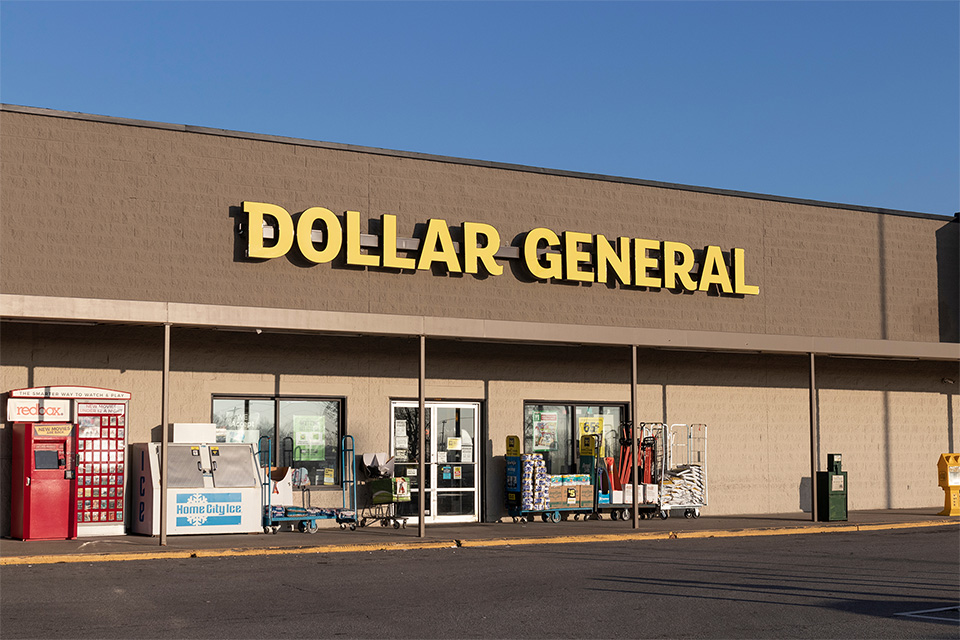
Dollar General is continuing to dominate growth into rural communities, expecting to open about 1,050 stores in 2023 alone, and potentially maintaining that trajectory in 2024 and beyond. Immediate growth will take place throughout the surrounding areas where the brand will be opening upcoming distribution centers by the end of this year, which includes Blair, Neb., Aurora, Colo., North Little Rock, Ark., and Salem, Ore. Look for the Pacific Northwest and the West to be especially hot targets for the chain. When entering a new community, Dollar General will frequently open multiple stores to adequately provide for the underserved area.
The discount-focused general store targets lower income communities with a population of less than 20,000 people, in areas with a dearth of available grocery stores or Walmart units. Preferred markets usually have a median household income up to $75K/year and are generally at less than $40K/year, with a minimum traffic count of 4,400 cars per day. Dollar General stores tend to be on corner lots that offer one acre of land for a minimum of 30 parking spaces, preferably on a busy thoroughfare or a main street. Stores can either be on a freestanding pad site or even be an end cap of a strip mall. Rural residential community spaces are also targeted, especially to appeal to the nearby customers who do their shopping on foot. Sites should be near gathering places, whether schools, post offices or churches. Dollar General continues to increase the size of stores, which now averages 9,100 s.f., in order to accommodate its increase of products, such as fresh produce and frozen foods, as well as more health and beauty items. Dollar General is known as a one-stop shop for customers seeking affordably priced items.
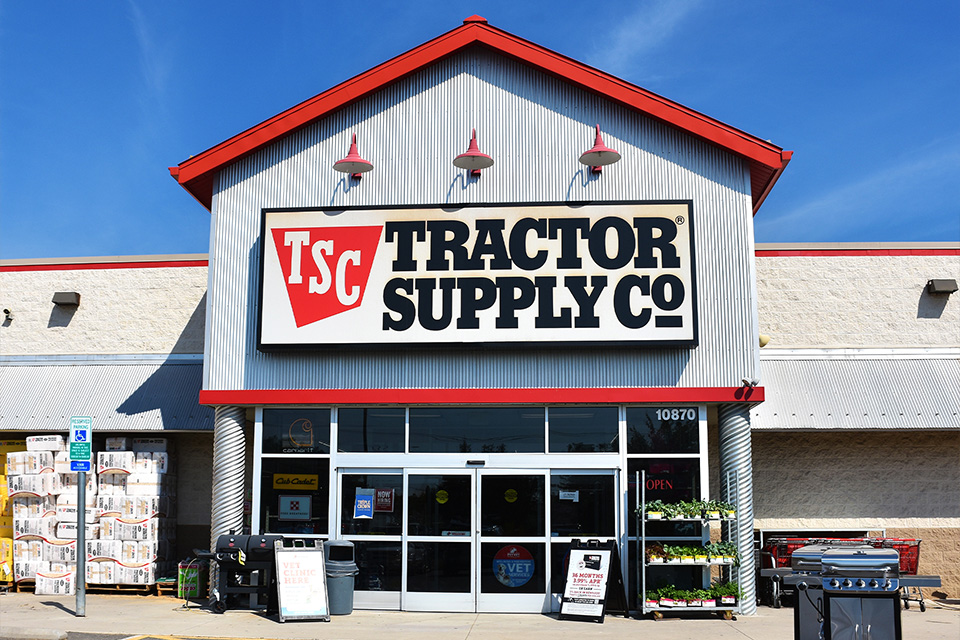
Tractor Supply Co. expects to open between 60 and 70 new units per year over the next six years. Areas targeted for upcoming growth will include rural cities, exurbs and suburban communities in the Pacific Northwest, which will be aided by the brand’s desire to open a distribution center in the area within the next two years. Tractor Supply Co. will also be concentrating on expanding into the upper Midwest, throughout Ohio and the surrounding states of Minnesota and Michigan, thanks to its largest distribution center that opened in January in Navarre, Ohio. Plans are also in the works to expand into the South, throughout Arkansas and its surrounding states, such as Mississippi and Louisiana, thanks to yet another distribution center expected to open in late 2023 in Maumelle, Ark. In addition, Tractor Supply Co. acquired and will rebrand 81 Orscheln Farm and Home units into its own namesake stores, all of which are located in the Midwest.
Preferred sites for Tractor Supply are between 15,000 and 18,000 s.f., ideally with an additional 15,000 s.f. of outdoor space, but buildings as large as 25,000 s.f. will also be considered. Ideal co-tenants include auto parts retailers, such as O’Reilly Auto Parts, value stores, such as Dollar Tree, and veterinary care services, as Tractor Supply sells food for livestock and offers pet wash stations. Freestanding pads or end caps of strip malls are preferred, in rural destinations near farms and ranch communities. Its demographic is a middle-income customer with a family who either owns a pet or has livestock. The rural lifestyle retailer has begun offering a garden center in its stores, as well as an expanded array of hardware tools, apparel, pet food and animal feed.
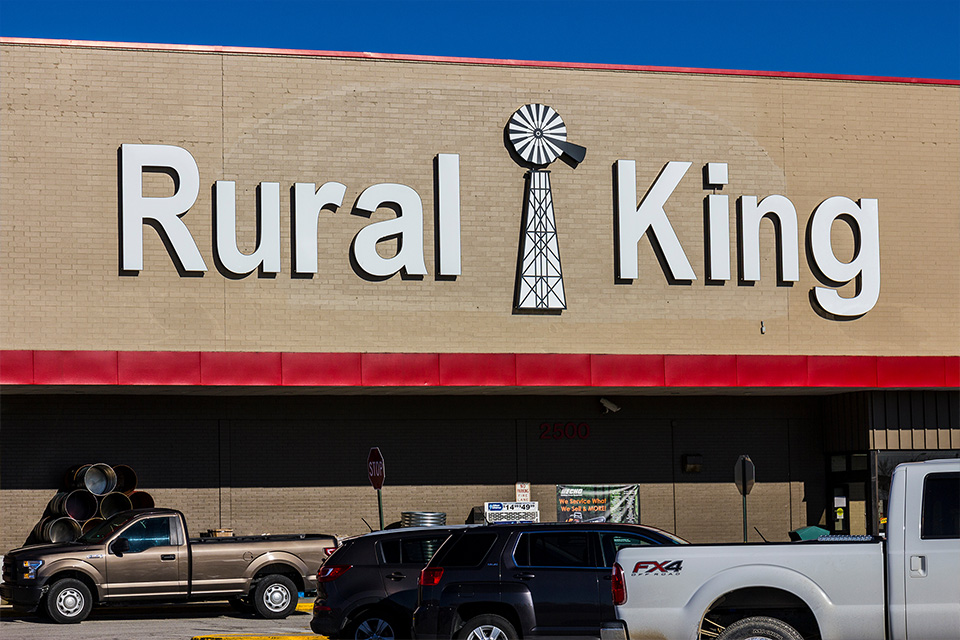
Rural King anticipates opening between two and five new stores in 2023, and then hopes to open up to 10 new stores per year over the next two to three years beginning in 2024. Immediate growth will take place in the Southeast, especially in Georgia, a new state for the brand, with at least two new units expected in the towns of Waycross and Bainbridge. Alabama will also be targeted for continued growth, which saw an 85,000-s.f. location open in February in Albertville. Rural King is also in talks to potentially open in a former Kmart space in Jasper, Ala. Look for Florida and North Carolina to also be eyed for additional units, as well as its home state of Indiana, in which Terre Haute is expecting a store by the end of the year.
Ideal sites for Rural King, which frequently purchases the buildings it moves into, are standalone or end cap big-box spaces, especially former JCPenney or Kmart stores. Rural King looks for space in the 70,000- to 110,000-s.f. range, ideally off a major highway. Co-tenants should include daily-errand brands, such as Kroger or Planet Fitness. Rural areas can have a population under 12,000 people, and sites can be within farmland communities. Rural King is a big-box store that caters to the needs of the farming community, selling equipment and livestock feed — and in some stores, even farm animals, such as goats — in addition to lifestyle products such as furniture, gardening supplies and apparel.
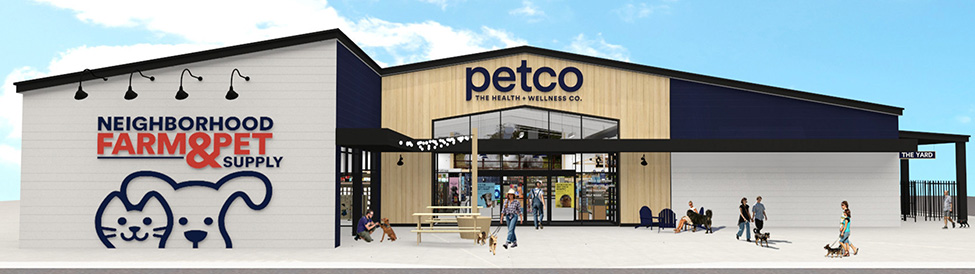
Petco, no stranger to testing out new versions of its store (i.e., the Reddy store in New York City that sells upscale dog-related products, or Unleashed, which provides high-quality services and products for dogs and cats), is now tapping into the rural farmland audience with its Neighborhood Farm & Pet Supply stores. The new concept provides products and services not just for common household pets, but also for farmland animals such as horses, sheep, pigs, goats and more. A Neighborhood Farm & Pet Supply opened in Mt. Sterling, Ky., in February and at least five more are expected to open by the spring of 2023, in Cadillac, Mich.; New Philadelphia, Ohio; Mt. Vernon, Ohio; Henderson and Hampstead, N.C. The concept debuted in 2022 with four store openings in Floresville, Texas, Early, Texas, Kinston, N.C., and Glasgow, Ky. Depending on the success of these early stores, more Neighborhood Farm & Pet Supply locations should be popping up in rural communities throughout all of these same states, as well as potentially the nearby states of Indiana, South Carolina, Tennessee, Virginia, Oklahoma and Arkansas, at a pace of about five to 10 per year by 2024 and beyond.
Neighborhood Farm & Pet Supply stores have been opening in rapidly growing rural communities located between 20 and 150 miles from the nearest major metro. The new build standalone prototype stores can be between 10,900 and 15,900 s.f., and tend to be on major highway thoroughfares, frequently in the main street section of a rural community. Nearby retail tenants can include other high-traffic errand brands such as Walmart, Meijer or The Home Depot. These stores sell about 85% of what a typical Petco store would carry, but also contain about 15% of farm and feed items, including the sale of baby chicks. Services offered include self-wash stations and monthly mobile vaccination clinics for pets and farm animals.