Travel center development is on the rise. These large plot gas station/convenience store spaces are generally found along highway thoroughfares in order to attract both truckers and long car-ride vacation travelers alike and offer conveniences such as showers and laundry facilities. The travel center customer base continues to grow. As inflation continues to affect the bottom line for many Americans, expect to see an uptick of family road trip vacations to national destinations, versus international travel. Plus, with the ease and convenience of online ordering, there is no shortage of delivery trucks on the highways, traveling en route from distribution center hubs to product delivery sites. In addition, with the national push to “go green” with electric vehicles, there will be a need for more of EV charging station stops at these travel centers.
Anticipate travel centers to provide more extras to its customers in the future, such as retail, restaurants and even gyms. This is because the travel center brand owners will be hedging their bets against the uncertain future of fossil fuel’s viability by offering customers more options to spend their money. Also, there will be a need to entertain the EV driving customers as their vehicles undergo the lengthy car charging process. Brands that will be opening travel centers in new territories include Wawa, Love’s Travel Stops, TravelCenters of America, Buc-ee’s and QuikTrip.
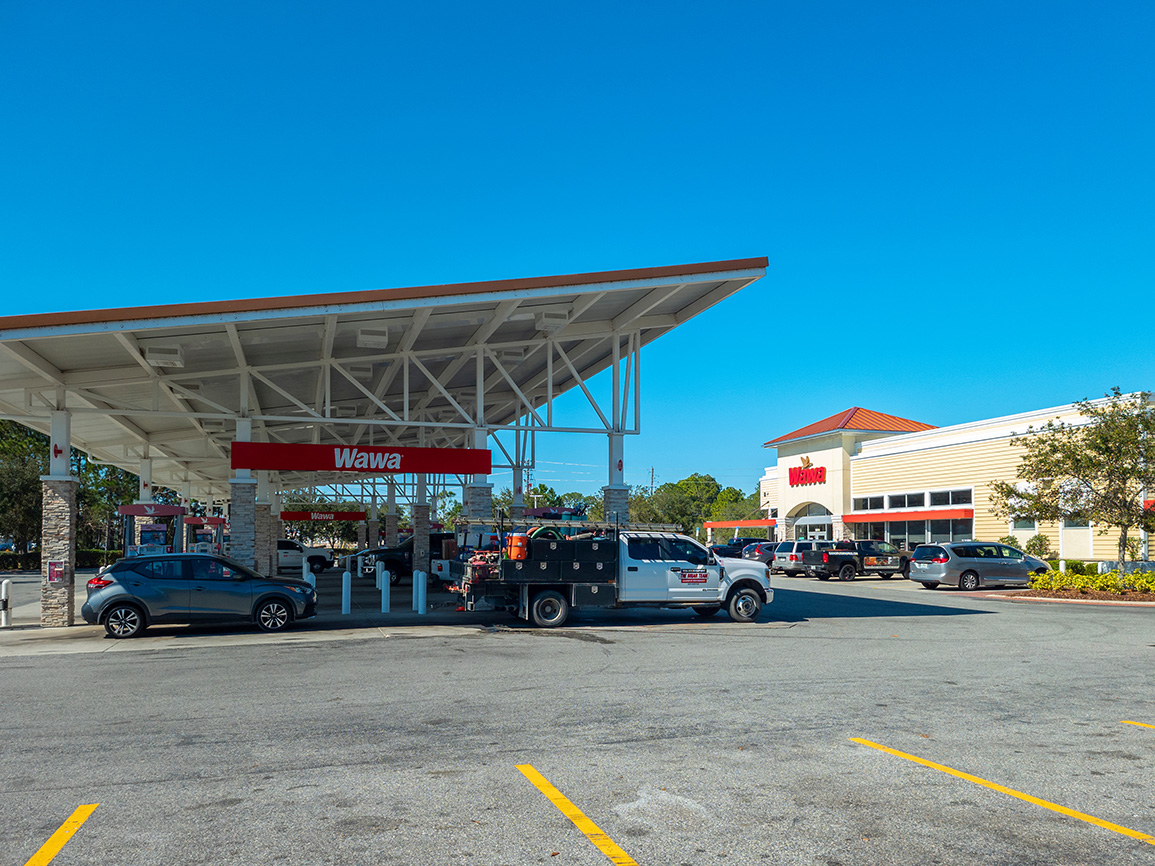
Wawa, already in the throes of massive expansion of its convenience store/gas stations to the tune of 100 per year throughout the South and the Midwest, recently announced plans to begin building larger “non-traditional” rest stop-style travel center facilities by 2028, in order to attract more truckers, as well as family road trippers. These larger builds, expected to begin springing up in the states between Wawa’s Mid-Atlantic roots and Florida, will pop up in high-profile sites along the major interstates and highways. Wawa is currently eyeing potential sites in the coastal southern regions of Georgia, along with areas in Ohio, Indiana, Kentucky, North Carolina and Tennessee. Though still in the planning stages, the travel centers are anticipated to be much larger than Wawa’s current plot preference of two acres, with a store square footage that exceeds its current 6,000-s.f. size. Wawa is widely known for its affordably priced yet very popular fresh food items, including its customizable hot sandwich menu, Angus beef burgers, coffees and fruit smoothies.
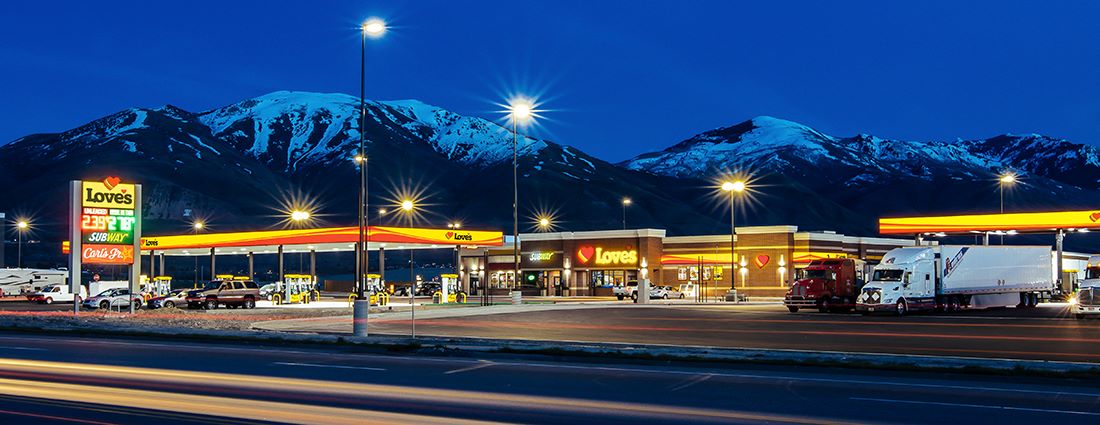
Love’s Travel Stops will open about 25 new travel center facilities per year over the next two years. Growth will continue to take place along high-traffic interstate junction sites, especially on corner lots, in states where Love’s already has a presence, such as North Carolina, Texas, Florida, Iowa, California, Ohio, Indiana and Arizona. Love’s seeks space on eight to 12 acres in rural and tertiary areas. To attract more customers to its sites, Love’s will continue to provide Amazon Lockers at up to 100 of its locations for easy package pickup for travelers. Love’s is also continuing to offer RV hookups at its locations, which the company debuted two years ago.
Future builds will include RV specific overnight spots, called Love’s RV Stops, which Love’s debuted last year. There are now three such sites, in Cordele, Ga., Muscle Shoals, Ala., and Normal, Ill. These RV overnight rest stops will feature full RV hookups in addition to extras such as laundry facilities, dog parks, pickleball courts, fire pits and water splash pad play areas. The Love’s Travel Stops, which are usually in the 5,000- to 10,000-s.f. range, have been steadily increasing in size and its largest site opened in late 2021 in Bliss, Idaho, at 21,000 s.f. Its Travel Stops feature Love’s own Country Store convenience store, in addition to leased food court spaces with restaurant brands such as Bojangles, Carl’s Jr., Baskin-Robbins, Burger King and Arby’s.
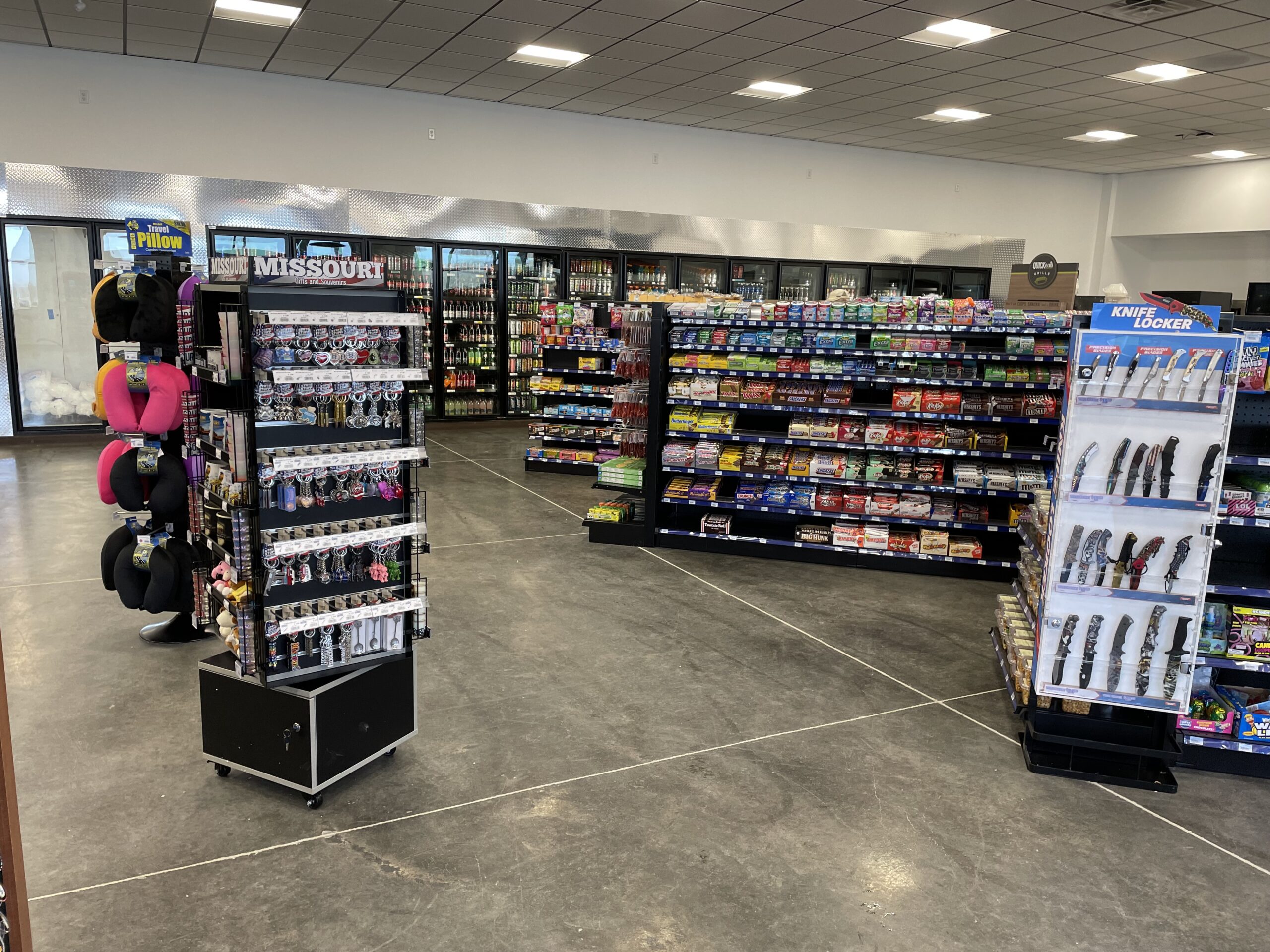
TravelCenters of America, in the midst of expanding through franchising, as well as by acquiring mom-and- pop travel centers, announced last month its acquisition by British petroleum company, bp. The new owner will continue the company’s expansion trajectory of opening about 20 to 30 new locations per year over the next two years, as well as vastly increasing the amount of EV stations. Look for franchise growth to be especially strong in Midwestern, Western and Southern markets. Areas targeted will be increasingly growing high-traffic regions, especially tourist-oriented thoroughfares that are underrepresented in the travel center segment. Look for Kansas, Tennessee, Missouri, Oklahoma, Colorado and California to be prioritized. Sites tend to be off interstate exits, in the vicinity of large warehouse facilities, in rural or tertiary areas that are a gateway to another destination.
TravelCenters offers a wide range of prototypes. Its express prototype requires eight acres, and provides three diesel fuel pumps and three gas pumps, as well as other extras such as a convenience store, video game rooms, laundry facilities, showers and a fitness center. Its larger travel center and Petro (which caters more to truckers) travel center prototypes require between 25 and 30 acres. This larger version provides the same features as the express, with the addition of a casino, full-service and/or quick-service restaurants, and truck maintenance/repair services. As of five years ago, TravelCenters of America sold off its 230 standalone convenience stores, branded Minit Marts, in order to fully concentrate on travel center growth. Branded restaurants featured at TravelCenters include IHOP, Bob Evans, Black Bear Diner and Iron Skillet.
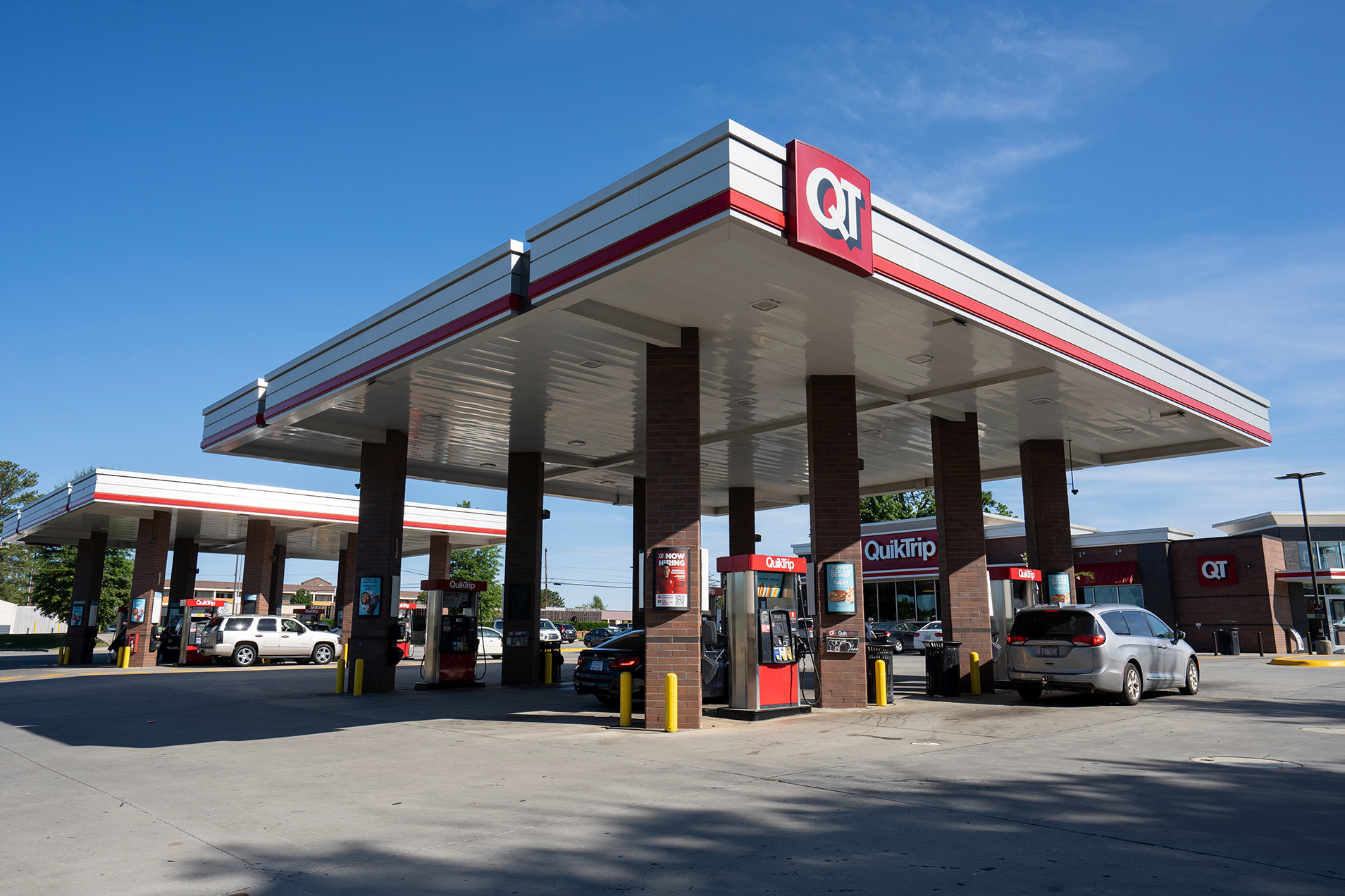
QuikTrip, like Wawa, is another convenience store brand dabbling with opening larger travel center type facilities, especially in more remote locations, with accompanying convenience stores in the 8,000-s.f. range, versus its usual 5,700-s.f. range. The brand anticipates opening between 10 and 15 new locations per year over the next two years. Growth will be concentrated in the Chicago area, with Mississippi, Colorado, Tennessee, Arkansas, Alabama, Louisiana and Georgia also seeing expansion of this more spacious concept. In the future, Western regions within a day’s drive to Phoenix will be targeted, especially off high-traffic interstates. This is because QuikTrip is opening the travel centers within a day’s drive to its distribution centers for fresh food delivery purposes, and the brand has a distribution center in Phoenix.
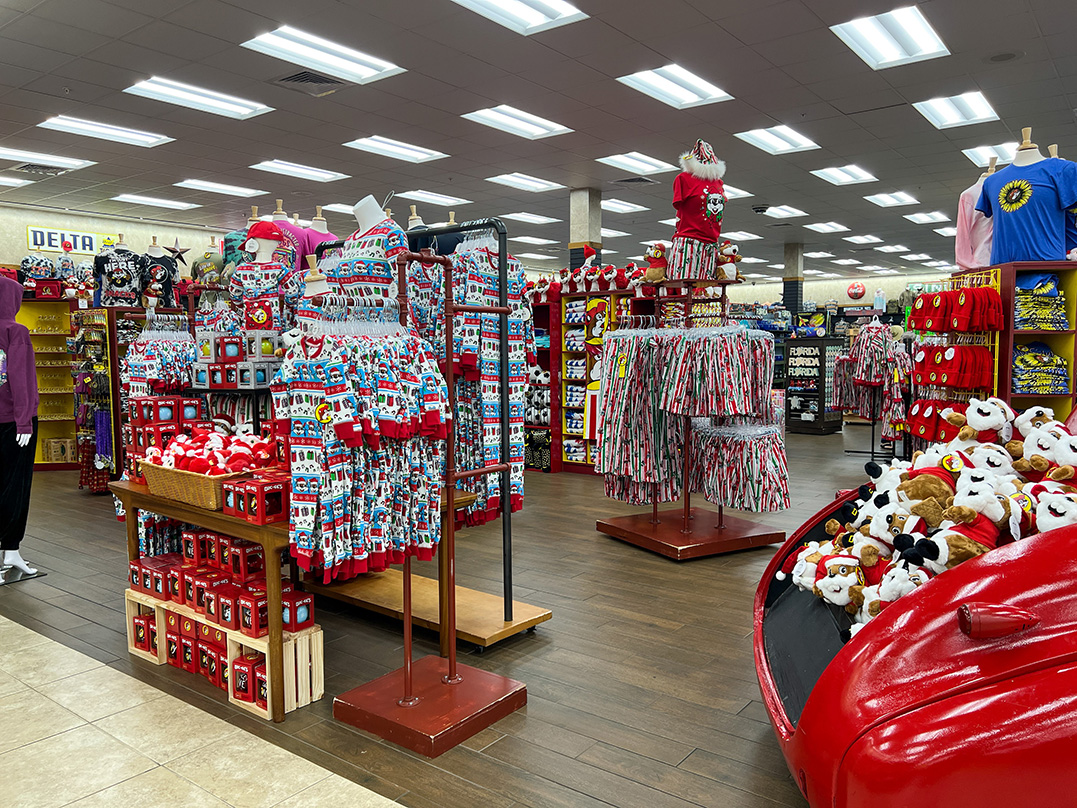
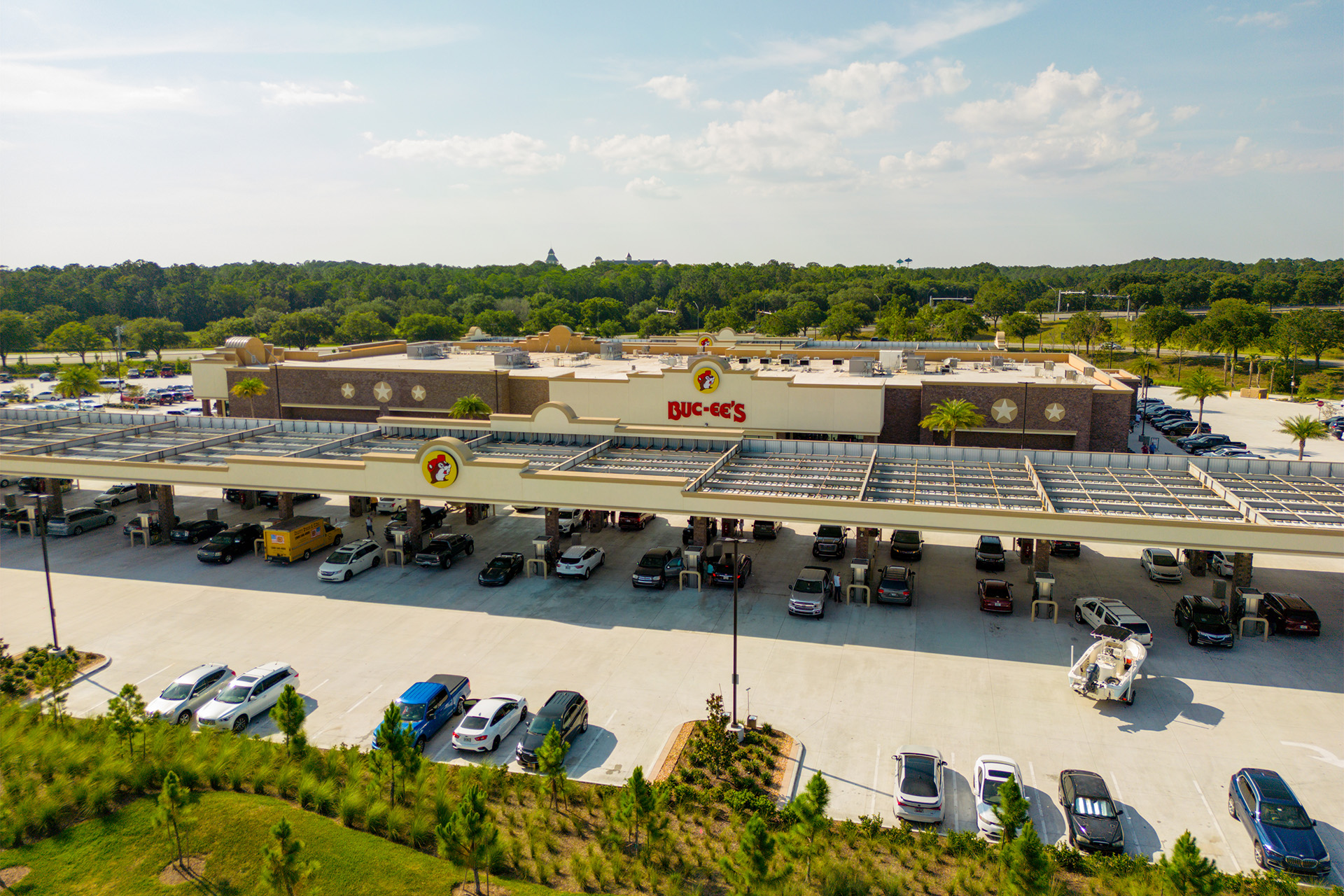
Buc-ee’s anticipates opening up to 10 new travel centers per year over the next three to five years, and is currently eyeing sites in Wisconsin, Virginia and North Carolina. In addition, Buc-ee’s will continue to open new units throughout the Midwest and the South, including its first center in the new state of Missouri, anticipated to open in Jackson by 2024, as well as its first in the state of Louisiana, anticipated to open by 2025 in Ruston. Continued growth will also occur in states the brand first penetrated last year — Tennessee, South Carolina, Kentucky and Georgia — and further centers will also open in Texas, Florida and Alabama. The brand will also add its first facility in a western state, with its Johnstown, Colo., site expected to open by 2024.
The Buc-ee’s brand seeks space in the 53,000-s.f. range, but will consider a site up to 74,000 s.f., on interstate exits frequented by family travelers. Sites should be at least a 40-minute drive outside of a major urban metro. Buc-ee’s is known for its clean bathrooms and a huge assortment of convenience store merchandise, including its own themed food products, as well as home decor items, hunting gear, apparel and toys.