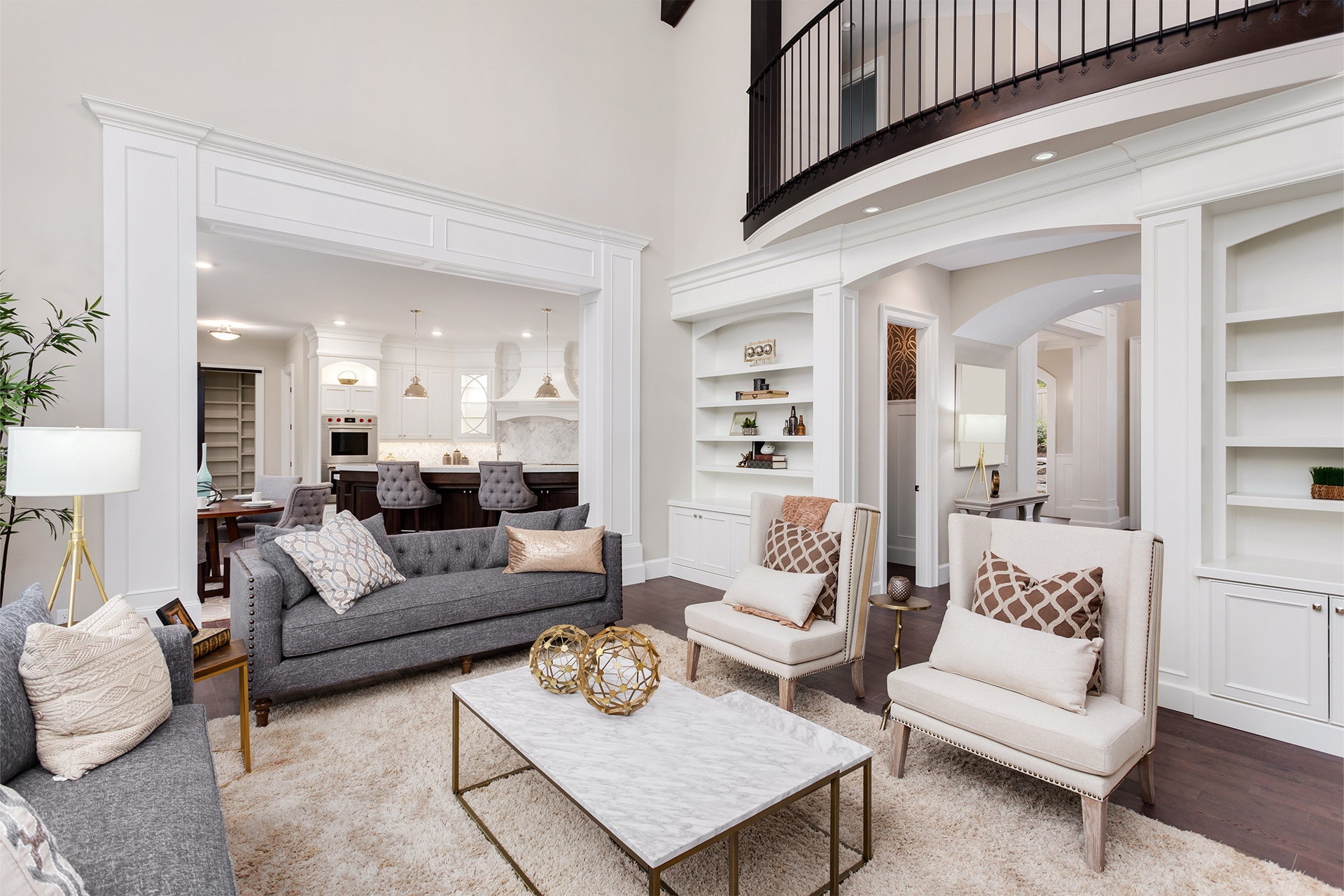
The new normal of working from home, and even the hybrid solution of splitting up the home/office work week still dominates nationally. This ultimately means Americans continue to spend ample time in their homes. Millennials especially are interested in improving their home life space. With so many in this age bracket having less children, there is much more disposable income for luxuries such as higher quality home furnishings. As a result, top-notch home furnishing brands, especially the trendy, up-and-coming digitally native ones, are now aggressively opening physical stores at a rapid rate. These up-and-coming brands mainly target neighborhood-oriented retail street-front urban spaces and, in some cases, Class A suburban shopping centers.
Foot traffic is a given in home furnishing stores, as consumers want to physically see, touch and test out the higher priced home items before making a purchase. Brands in this category that are currently ramping up expansion include Parachute, Interior Define, Brooklinen and Burrow.
Parachute anticipates opening approximately 20 units per year over the next four years. Upcoming stores expected by year’s end will be in new markets such as Kansas City, Mo., Boston and San Francisco. The chain anticipates continued growth in 2023 and beyond in more urban sites in New York City, as well as Long Island, N.Y., and the metros of Dallas, Orlando and Tampa, Fla., Atlanta, San Diego, Orange County, Calif., Sacramento, Calif., Silicon Valley, Calif., Boise, Idaho, Salt Lake City and Raleigh-Durham, N.C. In addition to Parachute continuing to focus on ground-floor retail street-front sites of mixed-use buildings in urban metros, the brand will also consider spaces in Class A malls and lifestyle centers in high-end suburban markets, especially in areas with a strong millennial residential community.
Preferred units for Parachute should be in the 3,200- to 4,000-s.f. range, in either end cap or inline spaces, with a strong mix of trendy retail co-tenants, such as Warby Parker or Lululemon, as well as local restaurants, coffee houses and hair salons. The digitally native Parachute brand, known for its high-quality bedding/linens, is expanding its comfort-themed merchandise to also include loungewear, such as robes, as well as furniture and décor for other rooms in the home beyond the bedroom.
Interior Define is expected to open 20 to 25 new units this year and hopes to continue that same growth trajectory into 2023 as well. Future stores that will open by late 2022/early 2023 will be in Miami, Santa Monica and Pasadena, Calif. Look for future growth in Detroit, Raleigh, N.C., and possibly Cleveland and Columbus, Ohio, San Diego, San Jose, Calif., Houston and Indianapolis. Interior Define has recently been seeking larger spaces in the 4,000- to 7,000-s.f. range (versus its earlier stores that had been in the 2,500-s.f. range) in both retail street-front buildings and upscale indoor malls in urban areas and suburbs alike. Co-tenants should include trend-setting Gen Z and millennial brands, such as Nike, Urban Outfitters and Bonobos.
As Interior Define continues to add more merchandise to its collection, such as bedroom items that were introduced this year, its average square footage requirements will also grow, potentially up to 10,000 s.f. Next year the brand will open an 8,322-s.f. unit in the Williamsburg neighborhood of Brooklyn, N.Y. As a digitally native sofa customization brand, Interior Define now sells other home décor items such as desks, dining room furnishings and lighting. Its showrooms allow customers to customize a product’s size, cushion thickness, fabric and table leg designs. In anticipation of rapid retail growth, Interior Design recently hired new executives, including a CFO who previously worked for The Home Depot.
Brooklinen, which began the year with just two locations in New York City, anticipates opening between 10 and 15 new units per year over the next two years, starting in 2023. This year alone saw the opening of four locations throughout the country in Santa Monica, Calif., San Francisco, Philadelphia and Portland, Ore., and a unit in Chicago is expected to open by year’s end. Future growth is anticipated to take place near locations where the brand already has representation with its products in hotels/bed and breakfasts, such as Houston, Nashville, Tenn., and Denver. Additional potential growth will be in other popular urban metros, such as Miami, Houston, Scottsdale, Ariz., Austin and San Jose, Calif.
Brooklinen prefers space in the 3,500- to 4,000-s.f. range, inline or end cap, in neighborhood-oriented retail street-front sites, including ground-floor spaces of mixed-use buildings. Ideal sites should be in walkable urban residential neighborhoods. Preferred co-tenants are higher end brands that appeal to the more millennial-aged shopper, such as Bluemercury, Faherty, Whole Foods Market and Allbirds. Local trendy neighborhood eateries are ideal co-tenants as well. Digitally native Brooklinen is known for its luxuriously soft sheets, and has expanded its merchandise to include comforters, loungewear, bath robes, shower curtains and towels. Its stores are expected to carry enough merchandise for take-home purchases, rather than act as showrooms for future delivery.
Burrow, the digitally native brand famous for its modular, easy-to-assemble couches, is branching out further into the retail realm and anticipates opening approximately five new showroom units per year over the next two years. This year, Burrow opened its second and third store in Boston and Atlanta, in spaces much larger than its 2,200-s.f. New York unit that opened in 2020. Its Atlanta store is 7,450 s.f. The upcoming Los Angeles location, which should open by Q4, will be 5,200 s.f. Upcoming stores will be in other major metropolitan areas; expect Houston, Dallas/Fort Worth, Washington, D.C., Phoenix and Miami to be eyed for immediate growth.
Ideal real estate spots for Burrow are busy retail street-front sites with heavy foot traffic, or even revamped industrial warehouse spaces, in densely populated urban neighborhoods with a large percentage of 25- to 45-year-olds. Sites should be in close proximity to residences, including multifamily developments. Co-tenants should include brands trending with this age bracket, including Rothy’s and Pressed. Burrow’s showroom stores will be an opportunity for the brand to introduce its expanded merchandise beyond couches, such as desks, chairs, bedroom items, shelving units and rugs.