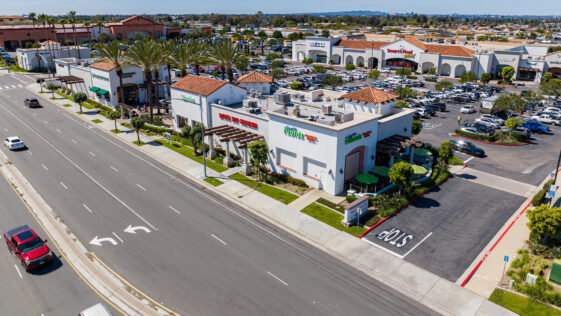
The average consumer has become used to convenience, as evidenced from the uptick in services such as online ordering, curbside pickup and home delivery. This preference for convenience has spilled over into medical services, as seen by the popularity of urgent care facilities taking up retail spaces. Unlike costly emergency room visits or time-consuming doctor appointments in medical office buildings (MOBs) with scheduling and insurance-wrangling headaches, urgent care facilities provide walk-in services at extended hours, including weekends and evenings, and offer non-insurance payment options.
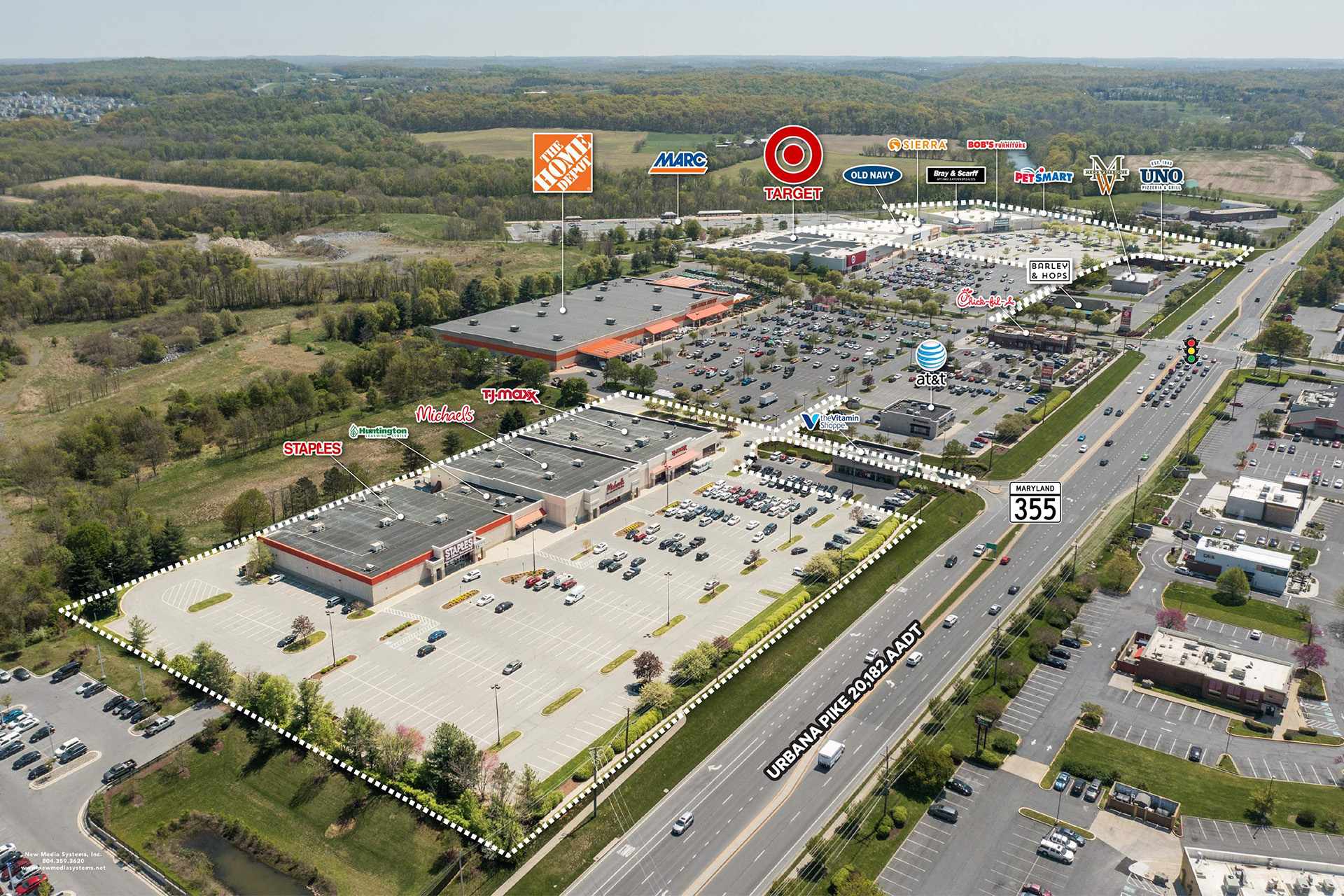
Most urgent care locations are in easily accessible neighborhood power centers and strip centers, with preferred co-tenants being retailers with pharmacies, whether grocery stores or convenience stores, as well as fitness centers, banks and other errand-heavy tenants. This is a retail segment in which all demographics are targeted, from families to single millennials to aging empty nesters. Look for Carbon Health, American Family Care, WellNow, Total Access, Urgent Care for Children, MedWise, FastMed and NextCare to all expand their reach nationwide in the coming years.
Urgent Cares Booming with Growth
Carbon Health is bullish on expansion, expecting to open between 350 and 375 units per year over the next four years. The brand is eyeing retail space in Dallas, Austin and Houston, in addition to New Jersey, Denver, Philadelphia, Columbus, Ohio, and Richmond, Va., while continuing its growth into Kansas City, Mo., and New York City. Expect further expansion into central California, Alabama, Nevada and Florida. Carbon Health looks for space between 2,500 and 3,300 s.f. in densely populated urban markets for street-front retail space in mixed-use buildings, as well as mid-sized, secondary markets in communities with a scarcity of MOBs, especially suburban grocery-anchored regional shopping centers. The health brand is keen on being in errand-heavy locations, with co-tenants such as banks and fast-casual restaurants, including Chick-fil-A.
American Family Care (AFC) Urgent Care plans to open about 40 to 50 new units per year over the next three years. The brand is concentrating its upcoming expansion throughout all regions in California, especially Sacramento and San Jose, in addition to South Florida, San Antonio, Dallas, Austin, Seattle, Little Rock, Ark., Memphis, Tenn., and Chicago. AFC Urgent Care seeks 2,800- to 3,500-s.f. end cap or outparcel spaces in all types of retail centers. All markets are considered, especially spaces in areas without competing medical services in the region, as its demographic base encompasses anyone in need of high-quality, yet easily accessible healthcare. Demographics in any given area should ideally have a high concentration of families with teens, young adults, adults with adult children and empty nesters. Retail co-tenants include grocery stores and restaurant brands. Its recent April opening of a 3,300-s.f. standalone site in Short Hills, N.J., is directly across the street from a Chipotle and a Wawa and is adjacent to a strip mall that houses a Panera Bread. With 225 locations, the AFC Urgent Care franchise currently has the largest of number of urgent care units in the U.S.
The WellNow brand of urgent care facilities also expects to open as many as 40 to 50 new units per year over the next two to three years. The healthcare service will begin opening units in the new state of Pennsylvania, starting with Bradford, while continuing the majority of its growth into New York, as well as in smaller markets throughout the Hudson Valley. Illinois will also continue to see new units, especially in outlying areas from Chicago. WellNow will also grow its footprint due to its December acquisition of the Hometown Urgent Care & Occupational Health brand, which extends its reach into the new states of Michigan and Ohio. Beyond 2024, WellNow will be well positioned to potentially continue expansion throughout the Midwest, branching out from its current locations toward possible new markets in Indiana, Missouri and Iowa.
WellNow prefers sites in the 2,700- to 3,600-s.f. range in either second generation end cap spaces, such as its 2,700-s.f. conversion of a former Boston Market in Saratoga Springs, N.Y., that opened in February, or in standalone retail pads, such as its proposed plan to build a 3,515-s.f. unit that would require razing a former 7-Eleven in Elmira City, N.Y., which would open by May of 2022 if approved. The chain ideally seeks standalone pads and end cap spaces in highly visible and easily accessible strip centers and neighborhood power malls on main streets in mid-sized and tertiary markets, with high-traffic tenants such as Lowe’s and Walmart in the vicinity.
Urgent Cares Starting to Generate Growth Buzz
Total Access Urgent Care, with 26 locations in the St. Louis market, is on the verge of major expansion, especially after ICV Partners partnered with the brand via a majority investment in February. The chain will open approximately 11 additional units this year, and expects to open up to 10 units in 2022, with future growth toward Kansas City, Mo., as well as a push into southern Illinois next year. For 2023 and beyond, Total Access is scoping out potential new markets that have a population of approximately two to three million people. The brand is eyeing areas just outside of metro cities in Ohio, in addition to similar areas in Minneapolis, Indianapolis and Louisville, Ky., as all are experiencing population growth. The brand generally seeks space in high-profile standalone buildings in the 5,000- to 5,500-s.f. range, as well as end caps in outparcels in highly visible locations from a main street in grocery-anchored power centers. Total Access recently began buying land rather than leasing space, as it allows for larger square footage options.
Another urgent care brand positioning itself for future growth is Urgent Care for Children, an Alabama-based chain that opened its first two units in its second state of Tennessee this year. The most recent unit opened this month in Hixson, Tenn., in a 4,010-s.f. former BancorpSouth standalone building that is across the street from a Walmart Supercenter. Urgent Care for Children, which raised $3.5M in funding last year that was led by Timberline Holdings and McKinney Capital, expects to continue opening five to 10 new units per year in new markets in the Southeast over the next three to four years. Urgent Care for Children looks for space between 2,000 and 4,100 s.f., either in standalone buildings or as end cap or inline spaces in neighborhood grocery-anchored centers. The urgent care seeks family-friendly areas in growing communities near schools, with parent-driven co-tenants, including Costco. Urgent Care for Children provides basic medical services for children up to age 21.
The QuikTrip chain of convenience stores announced last year that it was creating a new urgent care subsidiary, called MedWise Urgent Care, and will open up to 15 of these clinics in the Tulsa, Okla., MSA by Spring of 2022, the same city where QuikTrip is headquartered. The locations will encompass a variety of communities, from urban to suburban to rural markets, covering many different demographic groups. QuikTrip is currently determining which new markets outside of Tulsa will be targeted for MedWise locations, with rumors circulating that the brand is eyeing regions in Texas, St. Louis and possibly Denver, Nashville or Chattanooga, Tenn., the latter three being areas where the brand is currently expanding its convenience stores. There are already five of these units open, with two more expected by mid-summer.
Preferred real estate sites are in the 4,000- to 4,750-s.f. range, in either standalone pads or end cap units of strip mall spaces, within close proximity to high-traffic tenants such as Walmart and a pharmacy, such as CVS Pharmacy. Its end cap unit that opened in April in a suburban strip mall in Sapulpa, Okla., took over a former Hibbett Sports, and is directly across the street from a Walgreens. Because QuikTrip already had success in opening 850 stores in what will soon be 14 states, expect MedWise’s growth to target the same states including Arizona, Iowa, Georgia, Louisiana and the Carolinas in 2023 and beyond.
Urgent Cares Growing Through Acquisitions
FastMed Urgent Care, which just a year ago had 109 units in North Carolina, Arizona and Texas, finalized its acquisition of the Tenet Healthcare brand in April. This acquisition encompassed the CareSpot and MedPost brands, and now FastMed has 192 units in five states, including Florida and California. The health service brand hinted at continued brick-and-mortar expansion in the future beyond its recent acquisition, especially in southern states experiencing rapid population growth. Potential sites for upcoming growth might include the outskirts of Atlanta, Birmingham, Ala., and possibly Nashville.
FastMed prefers end caps that average 3,500 s.f. in strip centers and power centers in suburban markets with a high concentration of families, as well as college towns. Preferred co-tenants include popular restaurant brands, such as Five Guys, as well as grocery chains, such as Trader Joe’s.
The NextCare brand of urgent care facilities, which has been steadily growing recently through acquisitions, will enter New Mexico through its purchase of the state’s six Taos Urgent Care units last month. This is on the heels of its November acquisition of Michigan Urgent Care’s nine units, giving NextCare a presence in Michigan. Additional states expected to see continued NextCare growth include Kansas, Virginia, North Carolina and Missouri. The chain seeks outparcel end cap or standalone second generation space, such as former banks, between 3,500 and 5,000 s.f. in grocery-anchored shopping centers, and power centers with big-box tenants such as Target or The Home Depot. Sites can be in metropolitan or suburban locations within secondary markets.