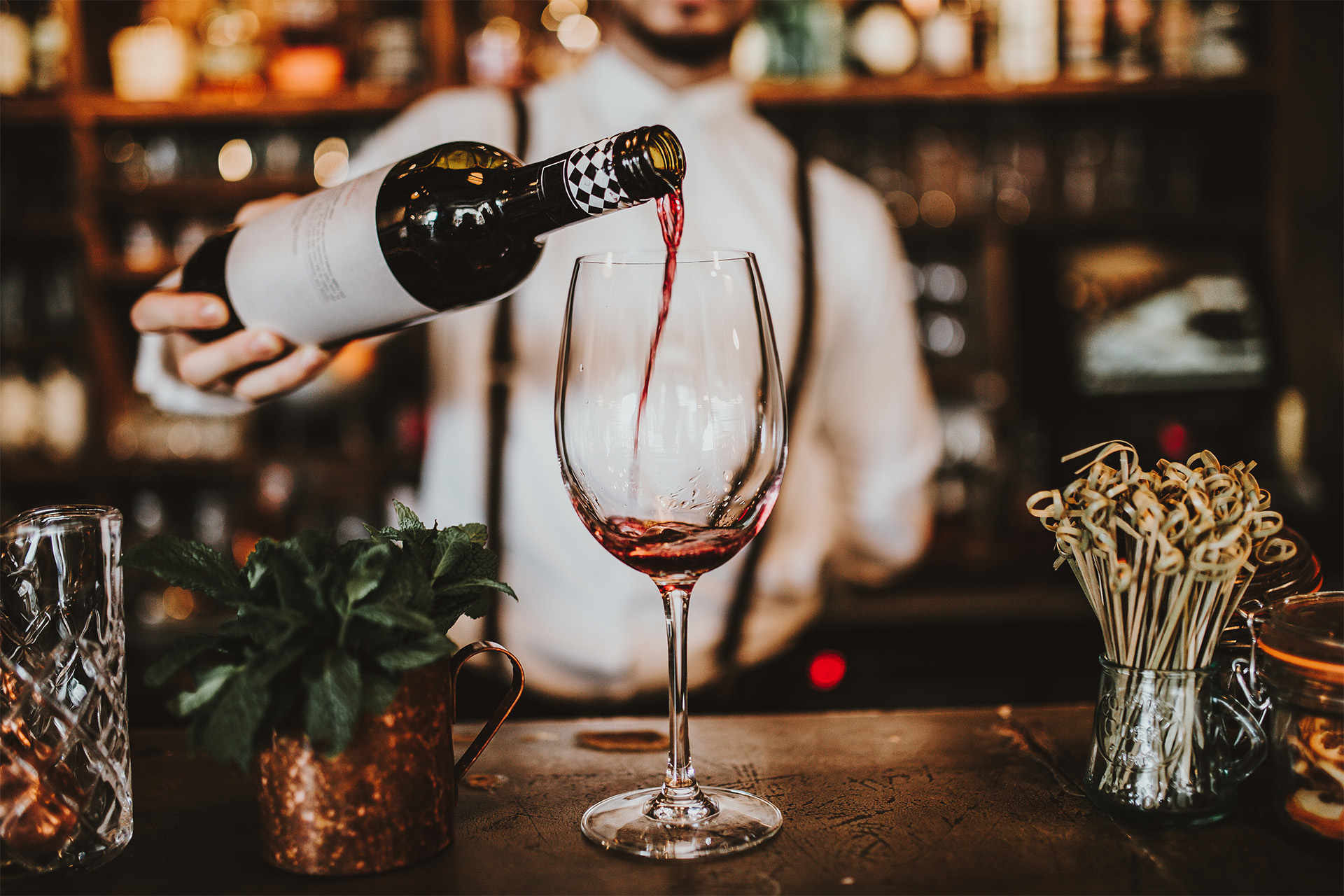
Wine is having its moment. The International Wines and Spirits Record (IWSR), a global market analysis firm that reports on trends in the alcohol industry, noted that not only has the number of regular wine drinkers in the U.S. risen by 14 million between 2021 and 2022, but in the same time span, more wine drinkers are purchasing wine in either bars or restaurants than they were in 2019. Consequently, both wine shops and wine bars are now trending with growth, including localized regional mom-and-pop wine shop establishments, such as the Florida-based The Good Pour, which expects to open seven units in the central Florida region this year. As for national expansion, Total Wine & More is the tenant to watch, as it is currently embarking on a massive multi-state growth plan. Wine bars are also popping up everywhere, with Cooper’s Hawk Winery & Restaurant and City Winery planning strong growth plans. Sixty Vines and Barcelona Wine Bar are also expanding, albeit on a much smaller scale.
Total Wine & More will be opening between 18 and 20 new stores per year over the next two years. Growth will be heavily concentrated throughout the underpenetrated regions of California, as well as the Midwest and the South, especially Kansas, Missouri, Illinois and Tennessee (pending liquor license legislation changes). Much of its growth will also consist of relocating or expanding its current stores into larger spaces, such as its store in Jacksonville, Fla., that will take over a neighboring unit made available when Loop Pizza Grill decided to vacate, which will increase the Total Wine & More size from 22,057 s.f. to 26,132 s.f.
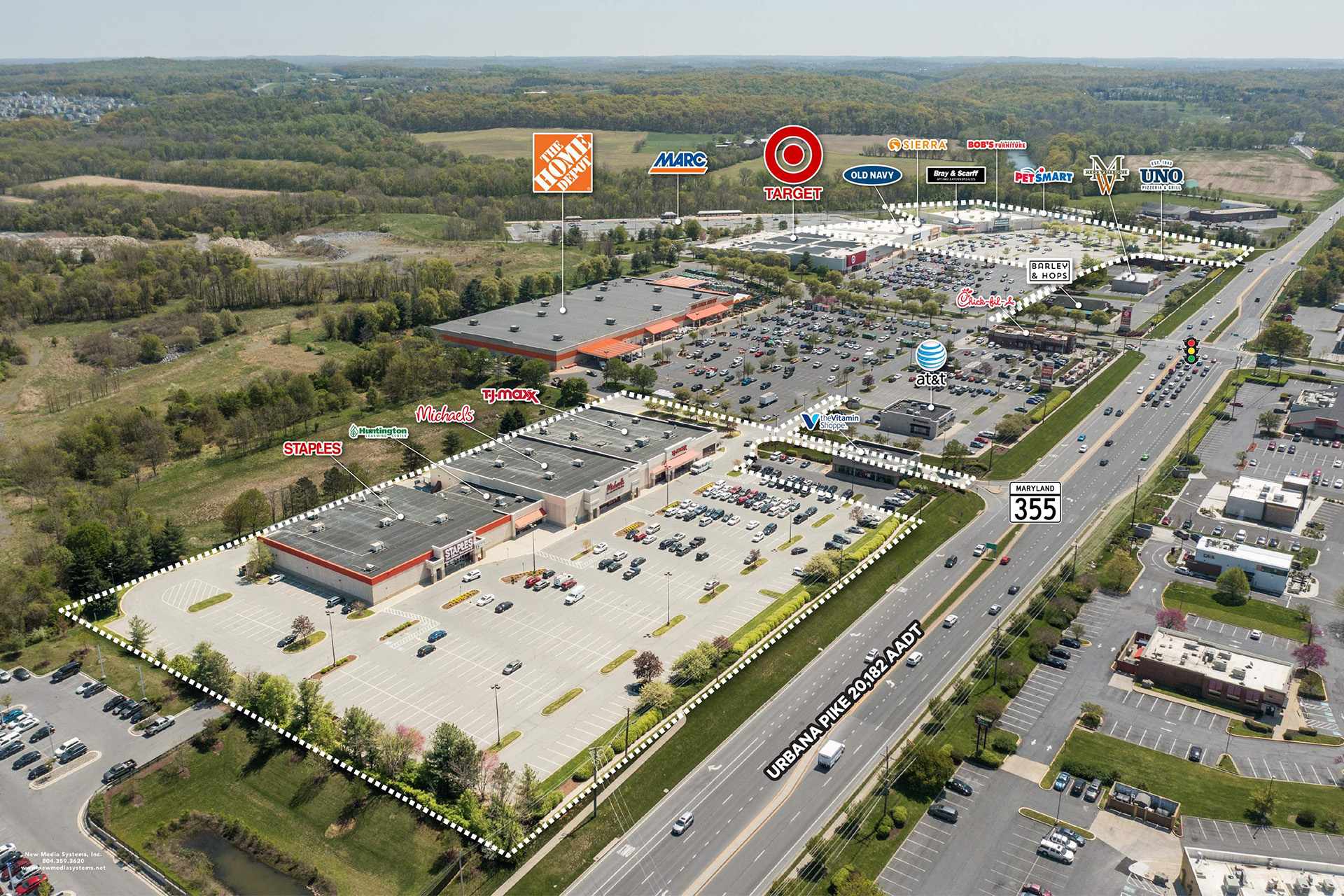
Larger spaces are now being eyed between 30,000 and 40,000 s.f., as the brand is making an effort to create more experiential stores that offer extras such as an expanded spirits section, a community gathering area for wine education events, a climate-controlled wine cellar and a humidor room for cigars. Total Wine & More is also continuing to open smaller-sized stores in the 20,000- to 25,000-s.f. range. Look for vacated spaces in power centers, such as a former Office Depot, Bed Bath & Beyond or Stein Mart, to be sought after, as well as standalone retail street-front buildings on busy thoroughfares. Highly populated suburban communities are targeted, and preferred co-tenants include other popular big-box brands such as Best Buy, Michaels, The Home Depot and T.J. Maxx. Total Wine & More aims to be a superstore for value priced fine wines by selling 8,000+ different types from all over the world, as well as a large assortment of beer and spirits.
Cooper’s Hawk Winery & Restaurant plans to open between five and 10 new units per year over the next two to three years. Upcoming growth will take place in markets where Cooper’s Hawk already has a presence, including Arizona, where new restaurants already opened this year in Gilbert and Surprise. Illinois is also targeted, where units in Bloomingdale and Algonquin will open by the end of this year. Florida will also see growth, with Wellington expecting a new restaurant by mid- to late 2023, which will join a restaurant in Fort Myers that opened earlier this year. Plus, Wisconsin will see its second restaurant by this fall, in Middleton. Other states with a presence, but that are still underpenetrated for the brand, include Missouri, Michigan and Maryland. In 2025 and beyond, Cooper’s Hawk may start eyeing new states for growth that are in close proximity to its current locations, including Georgia, the Carolinas, Tennessee and Minnesota.
Preferred real estate for Cooper’s Hawk is space between 8,000 and 13,000 s.f., as either a freestanding building or an end cap unit, in mixed-use office developments or open-air power centers in thriving mid- to higher-end suburban communities within a major metro. Sites should be near business parks and/or hotels. Co-tenants should include non-competing food tenants, both full service and fast casual, such as Buffalo Wild Wings, Benihana and Lazy Dog.
The restaurant chain also introduced a new dining concept last year called Piccolo Buco by Cooper’s Hawk, which focuses on pizza and requires slightly less space, in the 8,000- to 9,000-s.f. range. Expect up to three more Piccolo Buco restaurants to open in the Chicago metro over the next two years, including locations in Schaumburg and Naperville. Cooper’s Hawk Winery & Restaurant features wines from all over the world, as well as a menu meant to complement the wine selections.
City Winery also plans to open between five and 10 new restaurants per year over the next two to three years. Next year, both Detroit and Columbus, Ohio, will see new units, and future expansion destinations hinted at include Milwaukee and Denver, the latter of which would be City Winery’s most Western site to date. Its present locations are centered in urban cities in the Northeast, the Midwest and the South. Still-untapped states that could be on City Winery’s future radar include Texas, Louisiana, Florida and the Carolinas. Preferred square footage is generally in the 20,000- to 40,000-s.f. range, but the brand has expressed an interest in opening smaller establishments in the future, in the 10,000- to 15,000-s.f. range, such as its 10,000-s.f. venue that opened in St. Louis in March. This is so that City Winery will have more flexibility with upcoming sites and not be limited to just standalone pad buildings. These smaller wine restaurant venues will also make it easier for City Winery to target more tertiary and secondary markets.
City Winery looks for sites in up-and-coming areas within major urban metros and seeks unconventional freestanding buildings that can be off the beaten path, such as converted industrial properties, warehouses or even former distribution centers. Less mainstream co-tenants are sought after, such as unique independent mom-and-pop restaurants or food markets. The brand is open to exceptions, however, especially as City Winery begins opening more of its smaller venues, such as the aforementioned St. Louis restaurant that has Puttshack and Sandbox VR as co-tenants, and also as evidenced by its 31,000-s.f. two-level restaurant that opened in 2019 in a street-entrance-only space within The Fashion District Philadelphia mall. For that restaurant, its co-tenants include H&M and a Nike Factory Store. City Winery is known for its menu that combines fine wines and dining, alongside live musical entertainment or comedy acts.
Wine bars expanding on a smaller scale, at a rate of about three to four new restaurants per year over the next two years at least, include Sixty Vines and Barcelona Wine Bar. Sixty Vines seeks space in the 8,000- to 12,500-s.f. range, in urban and higher end suburban open-air mixed-use developments and lifestyle centers in growing, diverse communities, notably within South Florida, Texas, Tennessee, North Carolina and the Washington, D.C., metro. Bethesda, Md., is especially on its radar. Co-tenants should include a mix of fast-casual and full-service eateries, such as Just Salad and Morton’s The Steakhouse. Sixty Vines features 60 wines on tap from around the world, as well as shareable plates.
Barcelona Wine Bar, which will open new locations this year in Miami, Houston and Pittsburgh, prefers spaces between 5,000 and 8,000 s.f., on urban retail street-front sites, ideally near mixed-use office properties, multifamily developments and colleges. Sites off Main and Main in repurposed former industrial spots or older historical buildings are also considered. More independent-minded mom-and-pop co-tenants are preferred. As for future growth, the Connecticut-based brand has been slowly expanding its presence toward the West, so an upcoming unit in Arizona is a possibility. Barcelona Wine Bar also has yet to open a restaurant in many Midwest markets, with Illinois and Ohio as potential states that may be eyed for future growth. The restaurant brand, acquired by the L Catterton private equity firm in 2019, is known for its extensive award-winning Spanish and South American wines, as well as its tapas-style food. By the end of this year, the brand will introduce a new restaurant concept called Corsica in Denver, which will consist of a smaller 3,200-s.f. space and feature Mediterranean food and wines outside of its usual Spanish regions.