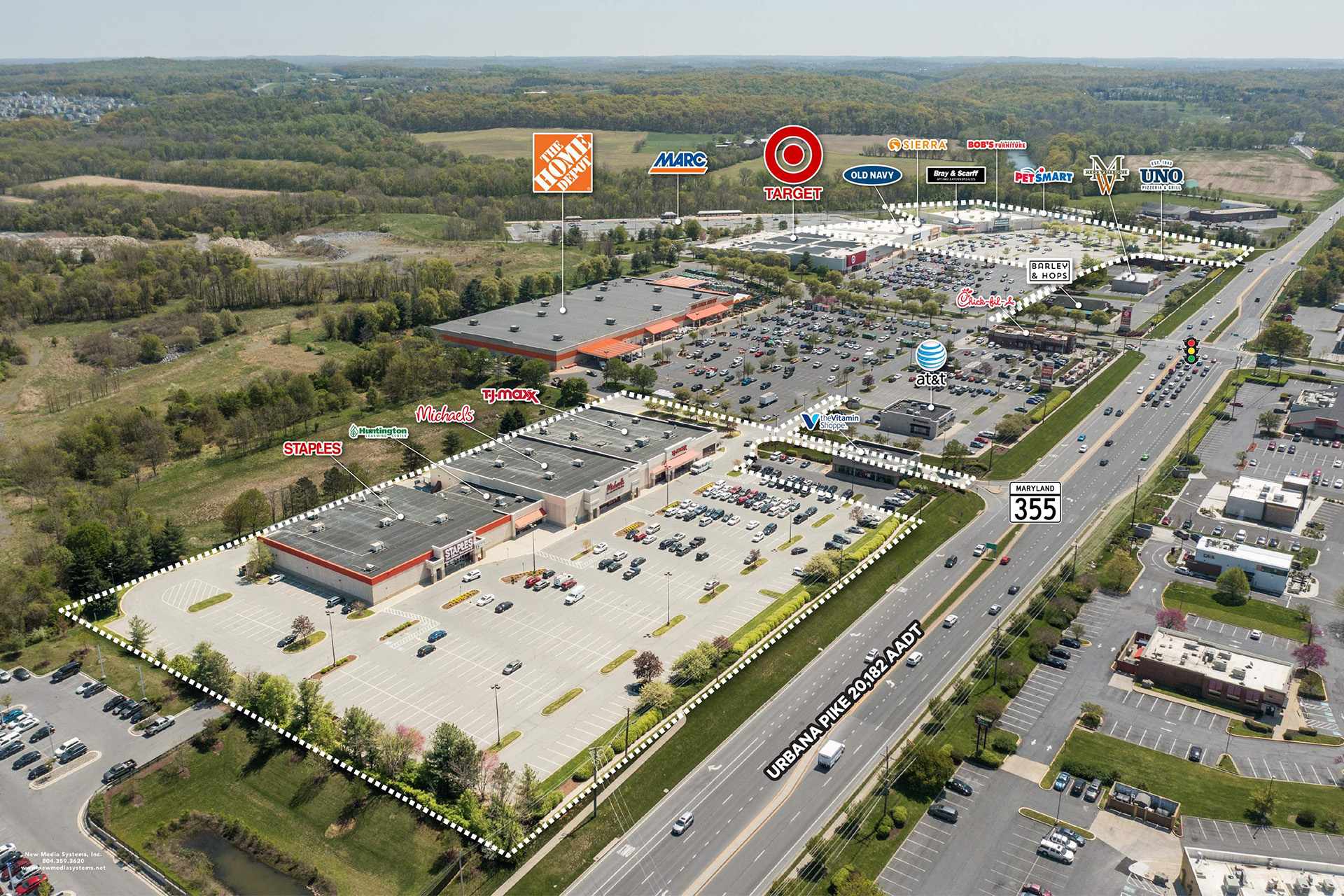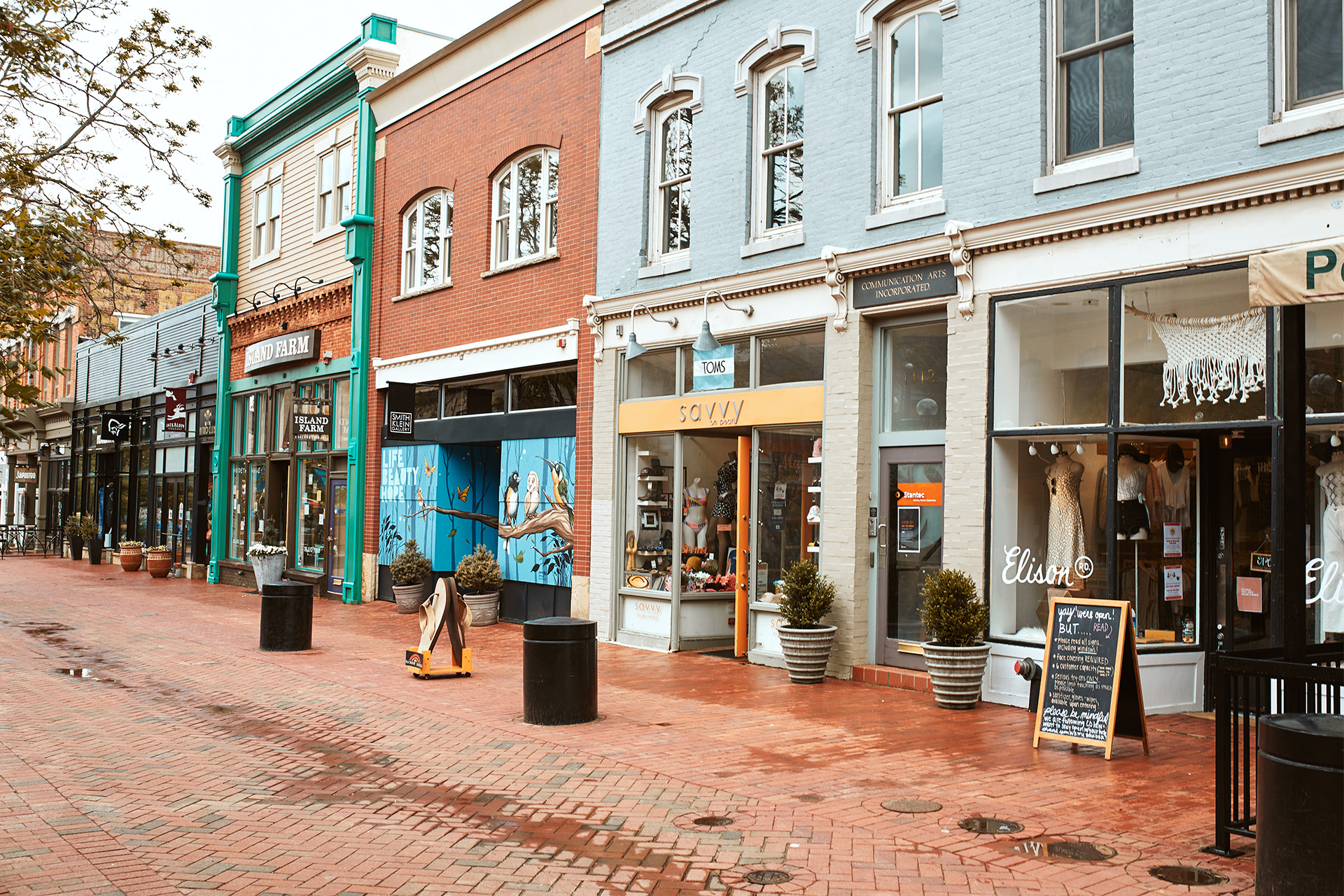
Look for all types of lenders to seek retail deals throughout the rest of the year. Retail is stable and many consumers have returned to brick-and-mortar retail stores. Retail vacancies are at an all-time low and the lack of new development set to come online will continue to drive demand, as well as lead to better pricing. Look for lenders to be more aggressive in underwriting, with lower rates and more proceeds. As lenders work through challenged office loans and seek payoffs, they are looking to redeploy that capital into retail, a net positive for the retail sector. Borrowers will see the money-center banks start to trickle back into the space, especially for grocery-anchored deals. Well-located neighborhood retail centers, which proved resilient through the headwinds of COVID-19, will also continue to be greenlit in loan committees despite historically being a more challenging profile in the wake of e-commerce.
Borrowers will see 60% to 65% leverage. DSC will be 1.25x to 1.35x on a 25-year amortization. Lenders will want to see 10% to 15% debt yield for stabilized properties and 6% to 9% for unstabilized properties.
Most retail loans will be made with the regional and community banks but expect larger banks returning to the space. Deutsche Bank, Wells Fargo and Bank OZK will re-enter the sector by year’s end. Also, watch for Axos Bank, TD Bank, Provident Bank, Banc of California, Fidelity Bank and Applied Bank to be active, while Cadence Bank targets SBA-eligible properties. Borrowers will see 55% to 65% leverage and fixed rates in the high 6% to mid-7% range. Banks will want a 1.30x DSC or debt yield in the low double digits.
Life companies such as PGIM Real Estate, New York Life, Securian, Principal, RGA Reinsurance Company, Nationwide, StanCorp Mortgage Investors, John Hancock, Lincoln Financial Group, Symetra, Voya Investment Management, TruStage, Farm Bureau Insurance, Security National Commercial Capital, OneAmerica and GPM Life will be active. Guardian Life and Thrivent seek grocery-anchored centers. Borrowers will see 50% to 65% leverage. LCs will provide fixed rates in the mid- to high 6% range, sizing loan proceeds to a 1.30x DSC or debt yield in the low double digits.
CMBS lenders such as Morgan Stanley, Goldman Sachs, Wells Fargo, Citi, Deutsche Bank, Barclays, Argentic, Natixis, KeyBank, UBS, Greystone and Basis Investment Group will strive to compete. CMBS lenders will hand out 55% to 65% leverage and fixed rates in the high 6%+ range. These lenders will be sizing loan proceeds to a 1.30x DSC or debt yield in the mid- to high 9% range.
Lenders will be sensitive to increasing leasing costs for vacancies and scrutinize borrower’s capital plans to ensure they are in line with true market costs.
Tighter vacancies will be underwritten given historically low numbers nationwide and the significant lack of new supply. With a lender’s general vacancy traditionally being 5%, expect creative workarounds for centers with credit tenants and proven historical occupancy.
Lenders will prefer well-leased centers with strong tenants, especially necessity-based retailers. Look for lenders to target grocery-anchored properties and open-experiential centers. Any destination retail asset will also see plenty of financing. Also, watch for more lenders looking at unanchored strip centers if they have professional service and convenience tenants. Urban retail opportunities, outside of irreplaceable high-street retail corridors, will be less favorable due to continued remote work themes that have reduced foot traffic in downtowns across the country. Enclosed malls will remain tough, although recent numbers do show that these could be in favor because of the lack of new supply over the last few years. Lenders will target markets with barriers to entry and strong population growth such as the Sunbelt and Mountain West. Select urban cores such as areas in San Francisco will continue to be tougher. Lenders will shy away from cities with outsized minimum wage requirements or other regulatory restrictions that impact the cost of doing business.
Lenders will prefer centers with long-term leases. National credit tenants and grocers will always be preferred; however, mom-and-pop tenants with a long history in a center and strong sales increase a property’s ability to grab capital. There will be stress in discount chains following the news that Family Dollar will close nearly 1,000 stores and 99 Cents Only will go out of business. Anticipate that big-box centers anchored by a discount store will be tougher to finance. Big-box retailers are generally less favorable, but a case can be made for tenants who continue to perform well at the center and nationally.
Lenders will seek experienced borrowers; first-time owners will have a tougher time. Borrowers with ample tenant relationships will be the most sought after, especially for deals with leases expiring. With headwinds in the broader commercial real estate sector, lenders seek sponsors with a storied track record, ideally decision makers who have navigated a downturn aside from COVID-19. Liquidity will be king, and lenders want to know borrowers have sufficient capital to get lease deals complete or ability to service debt out of pocket in a downside scenario. While the golden rule is a net worth and liquidity equal to 100% and 10% of the loan amount, respectively, some lenders require greater levels of liquidity and show flexibility downwards on net worth.