Comfort foods, especially pizza, have always performed well during periods of economic downturns or unrest, as customers gravitate to feel-good taste sensations when they are experiencing any sense of uncertainty. The pizza category also performed well during the era of COVID-19 closures, as pizza establishments already had an efficient mobile delivery/to-go ordering process in place. Look for pizza parlors to continue the trend of opening smaller, to-go-only units, especially in standalone buildings or end cap sites for ease of pickup purposes, in both urban and family friendly suburban locales. Pizza chains with strong expansion plans include Marco’s Pizza, MOD Pizza, Blaze Pizza, Papa Johns and Little Caesars Pizza.
Marco’s Pizza has high expansion goals, expecting to open up to 250 new units per year over the next two years. Look for the Southwest and Southeast markets to especially be targeted, notably Southern California, Phoenix, Miami, Orlando, Fla., Houston, San Antonio, Austin and Lubbock, Texas. Markets in Colorado, outside of the Denver metro, will also be eyed. Marco’s looks for highly visible space in the 1,200- to 2,000-s.f. range, either inline, end cap or a standalone building, and preferably with a walk-up window, in strip malls near residences or near commercial areas. Co-tenants should be high-errand brands, including Starbucks, Walgreens or Big 5 Sporting Goods. Marco’s Pizza is known for being authentically true to the Italian tradition, utilizing dough that is made fresh daily with its own proprietary pizza sauce.
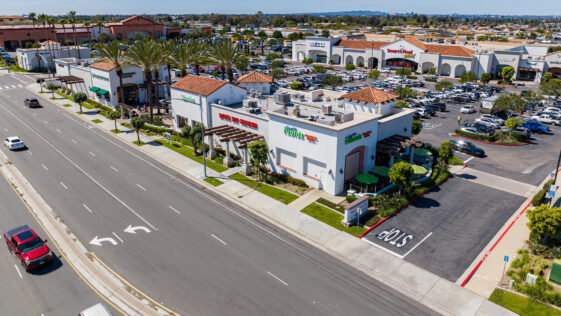
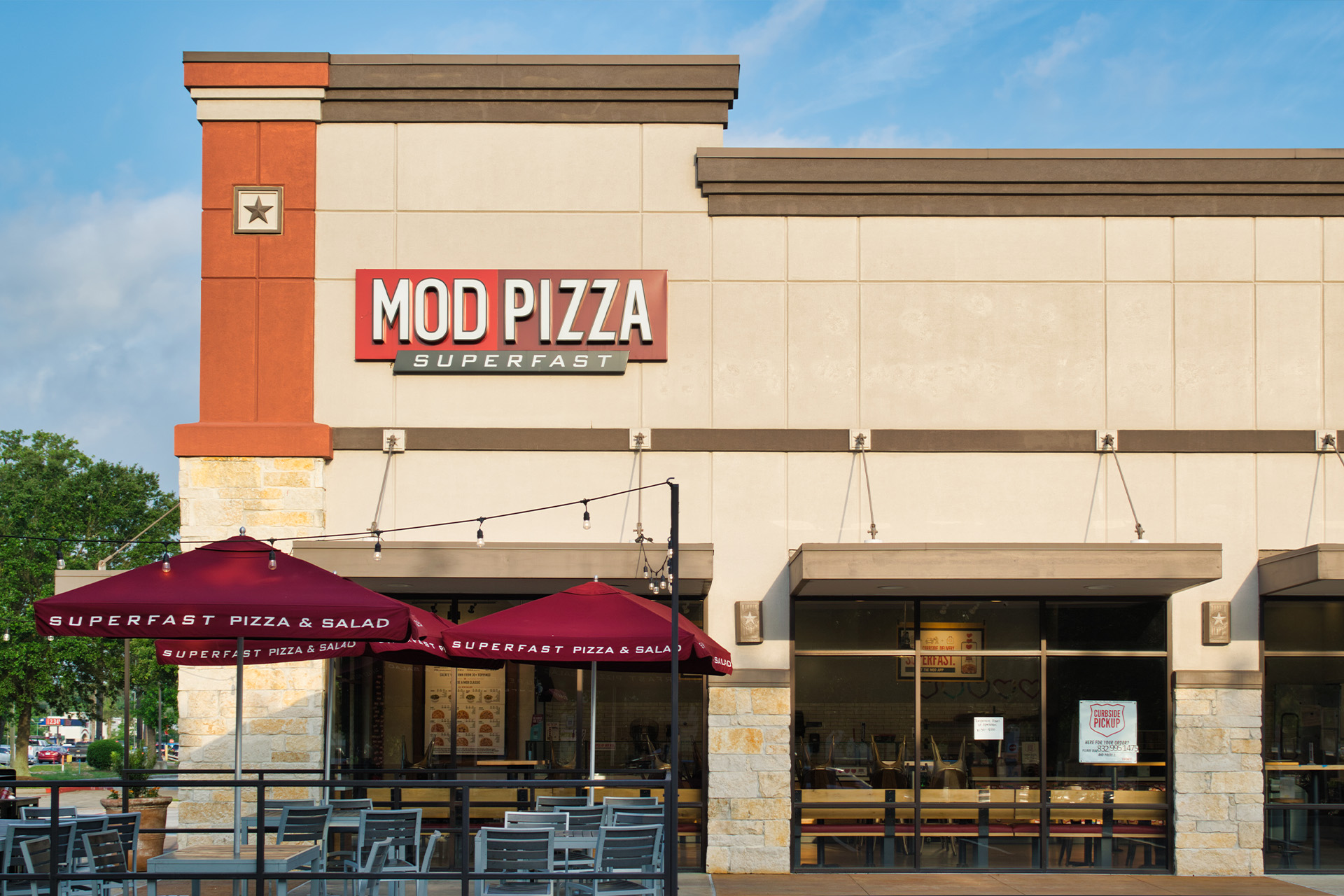
MOD Pizza, anticipating an IPO before the end of this year, has strong expansion goals of opening between 150 and 160 new units per year over the next two to three years. The pizza chain will be opening units in new states for the brand within the South, notably in the central and southern region of Mississippi, Nashville, Tenn., and in the southern portion of Louisiana. Continued growth in the South will include new units in Alabama, Florida, the Carolinas and throughout central Texas, especially Austin. Expect further expansion into states with room for continued growth, such as the outlying suburbs of Phoenix, Southern New Jersey, Cleveland and Las Vegas. Ideal space is in the 2,500- to 3,600-s.f. range, with a patio, either end cap, inline or freestanding. Sites should be in a grocery-anchored shopping center in a densely populated family friendly residential area with an above-average household income. Co-tenants include higher end grocers, such as Sprouts Farmers Market or Trader Joe’s.
Blaze Pizza also has strong expansion goals, ideally hoping for up to 130 units per year until the end of 2025. The brand hired a new CFO last year to assist in this growth effort, which will be connected to its intent of signing on additional multi-unit franchisees in all 50 states. New markets targeted for the brand include Colorado and New England states, such as Maine. Additional franchisees are sought out for further growth in markets where Blaze Pizza already has a presence, including Alaska, Southern California, Virginia, Arkansas and Oklahoma. Recent franchisees signed for immediate unit growth will be in the South, namely the Florida panhandle, Chattanooga and Pigeon Forge, Tenn., and throughout Mississippi and Alabama. Blaze Pizza searches for space in the 2,200- to 3,000-s.f. range in dense urban areas, ideally in a solitary standalone pad or an end cap in a shared pad, or in an inline or end cap space in strip malls or regional shopping centers. The brand also looks for non-traditional food court spaces, in the 1,000- to 1,200-s.f. range, in entertainment and travel centers. Ideal co-tenants include other non-competing fast-casual restaurants, such as Five Guys. Blaze Pizza serves artisanal pizza in a create-your-own, service-line style, which is cooked in three minutes over an open-flame oven.
Although much of Papa Johns’ unit growth will take place internationally, the pizza chain is still anticipating opening approximately 100 new units in the U.S. in 2022, followed by about 130 to 135 new units per year from 2023 until 2025. Expansion will be especially concentrated in Texas, thanks to franchisee Sun Holdings, which last September agreed to open 100 units in high-growth regions in the state over the next eight years.
Additional growth will also continue in the Northeast, especially in Philadelphia and in the southern areas of New Jersey. The pizza chain prefers standalone space, either conversion units with a drive-thru window for pickup orders or new construction of its prototype, in the 1,200- to 1,800-s.f. range. The brand will also consider inline and end caps in strip mall centers. Space should be on retail-heavy streets with nearby residences Papa Johns, which recently rebranded itself by removing the apostrophe from its name, is known for its original pizza dough that is never frozen. Recently, Papa Johns benefited from introducing more premium-priced pizzas, such as its Epic Pepperoni Stuffed Crust pizza that debuted earlier this year, and its New York-style pizza.
Little Caesars is also concentrating on overseas unit development but will still open between 100 and 120 new units per over the next two years in the U.S. Growth will be centered on burgeoning markets in which its multi-unit franchisees have expressed interest in expanding. The specific growth breakdown is projected to be at least 50 new units in New England, 50 new units in the Pacific Northwest, 35 new units in St. Louis, 30 new units in Tampa Bay, Fla., 12 to 15 new units in both Denver and in New York City, between 10 and 15 new units in Buffalo, N.Y., and about 10 new units in New Orleans. In addition, sites in Minneapolis and Charlotte, N.C., are being targeted for further growth. The Little Caesars Pizza franchise looks for space in the 1,200- to 1,600-s.f. range, either an inline unit, end cap or a freestanding building ideally with a drive-up window access. Space should be a retail street-front unit or in a strip mall with adequate parking on a retail-heavy main thoroughfare street with businesses, schools and residences nearby, including both multifamily and single-family homes. Non-traditional units as small as 470 s.f., in airports, convenience stores and universities, are also sought after. Preferred co-tenants include service brands, such as Supercuts, and family-friendly brands, such as Petco. Within the past year, Little Caesars hired new real estate development executives in the hopes of spearheading expansion efforts. Known for its value-priced “Hot-N-Ready” pizza that requires no wait time, Little Caesars expects to benefit from the trend toward cost-saving efforts.