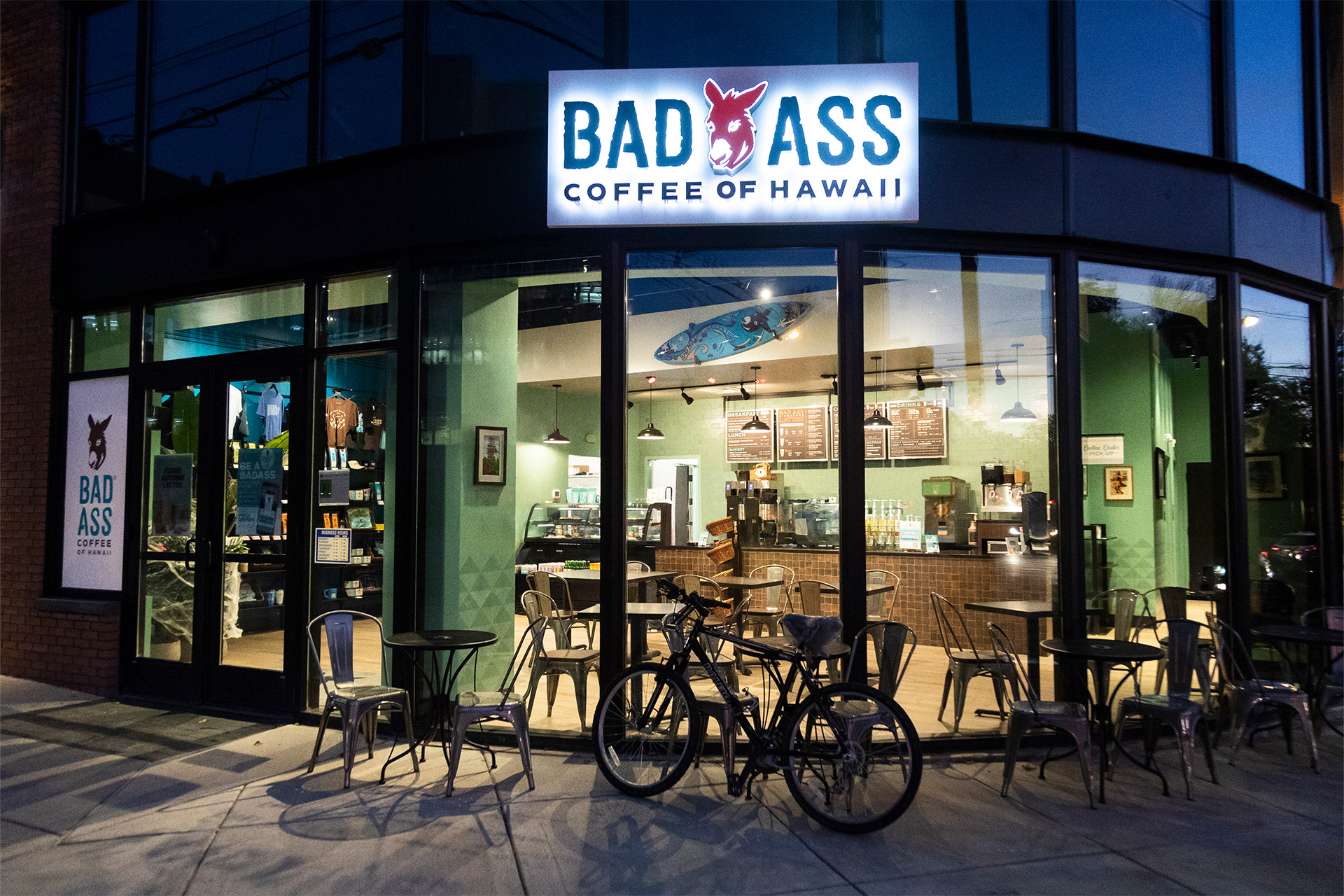
Bad Ass Coffee of Hawaii captures two of the country’s current popular food & beverage trends at the moment, which the Crittenden Retail Tenants Report has recently reported on: the Hawaiian-themed restaurant craze, and the rise of beverage tenants.
With a growth goal of opening 150 new locations by 2027, Bad Ass Coffee has already sold 80 units of its franchise. Look for the coffee brand’s future growth to be particularly strong in the Southeast and the Southwest. Other states gaining traction with growth potential for the brand include Florida, Texas, Arizona, New Mexico, California and Colorado.
“Key to the attraction and loyalty to our brand is that we bring the warm hospitality of the ‘aloha spirit’ to the market,” said Scott Snyder, CEO of Bad Ass Coffee of Hawaii. “We’ve developed a store atmosphere and brand experience that we know guests will enjoy. We also take great pride in honoring and celebrating our Hawaiian culture, our Hawaiian heritage, and the historic role both have played in our rich brand history.”
The unique flavors distinctive to Hawaii have helped give Bad Ass Coffee a cult-like following among its fans. The authentic beans are procured through the brand’s longstanding partnerships with multi-generational Hawaiian coffee farmers, including Greenwell Farms on the island of Kona, which happens to be the oldest coffee farm on all of the Hawaiian Islands.
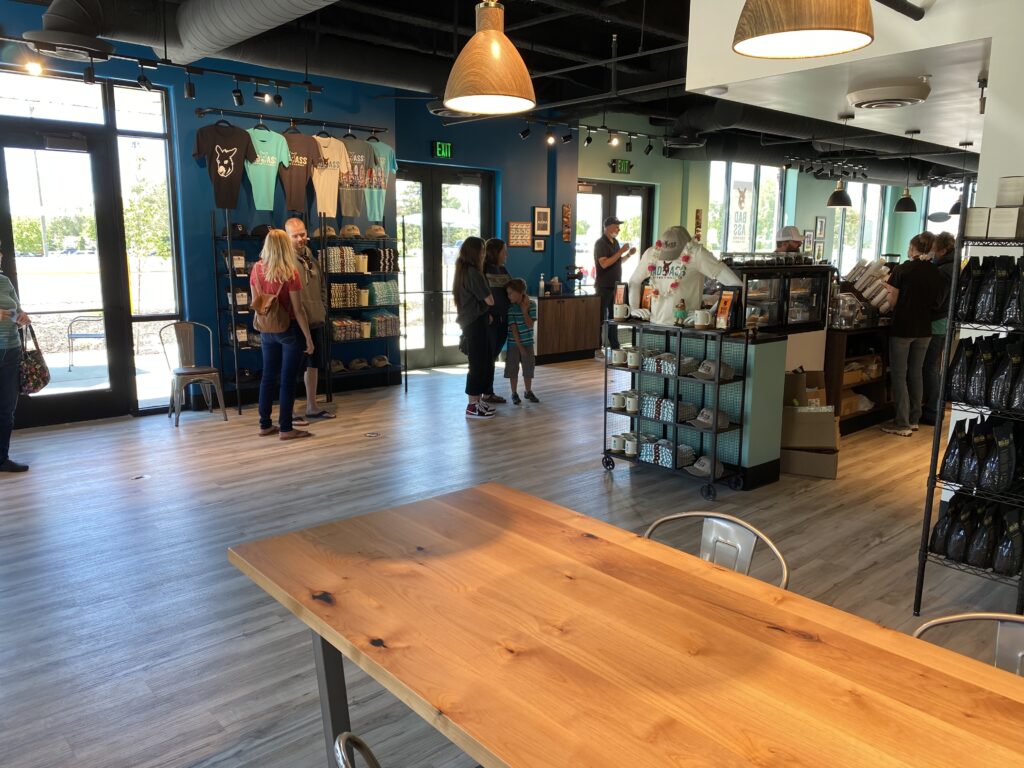
“Through these partnerships, we embrace the unique practice of harvesting some of the highest-quality coffee beans in the world,” Snyder said.
The Hawaiian coffee chain feels that its flexibility to various store model configurations has helped to successfully grow its brand.
“Franchisees have the ability to select a store model that works best for their desired location with full build-out and design support from the Bad Ass Coffee of Hawaii team,” Snyder said.
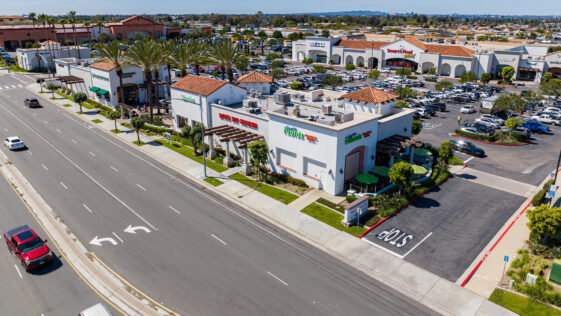
Store layout options include its traditional 1,650-square-foot inline unit with a café or an end cap with a drive-thru shop; a 500-740 square foot standalone drive-thru unit with exterior seating; and even kiosk setups with limited menu options that are ideal for spaces in supermarkets, shopping malls, airports and transportation centers.
Preferred co-tenants include grocery brands, entertainment venues, banks, medical services and fast casual/fast food brands that have heavy afternoon traffic. Spaces in mixed-use retail with apartments/condos are also eyed. The trade area should have a daily car count of at least 20,000, and an annual household income of at least $75,000. The local demographics should provide a customer base in the 18- to 50-year-old range, and consist of a mix of professionals, students, and families.