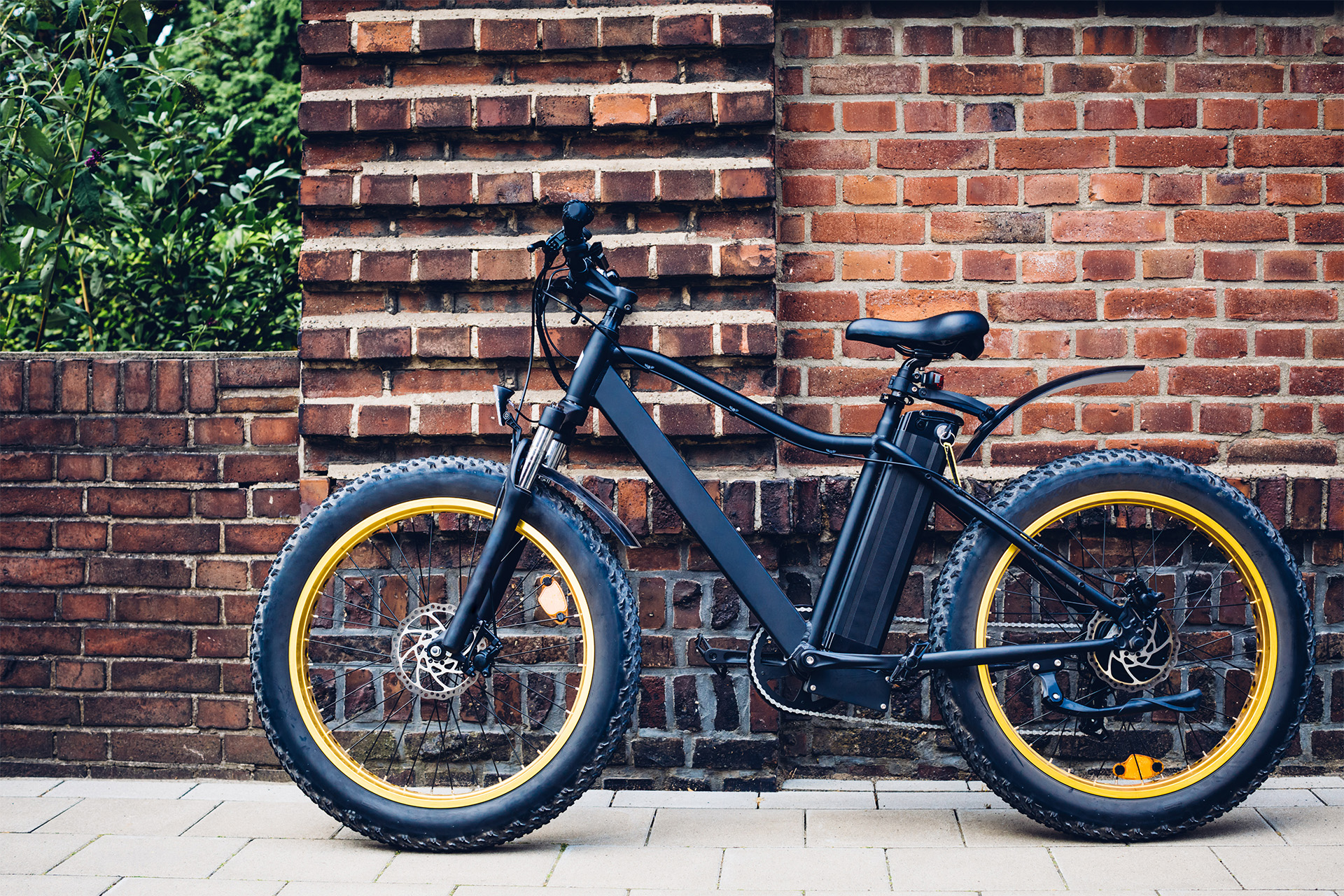
It seems the next transportation frontier is the electric bike. At a cheaper price point than an electric car, the electric bike is a great solution for the ever-rising cost of gas, and it works well for local neighborhood errands, in addition to school or work commutes. Electric bikes also accommodate the segment of the population concerned with reducing carbon emissions. Although many of these e-bikes can be purchased online, customers will want to visit physical stores to test ride the various e-bikes in person, speak to a knowledgeable salesperson, and even have the option of in-store service maintenance.
Electric bikes appeal to all age brackets. As the baby boomer population ages, riding an electric bike becomes a more attractive solution versus the traditional bicycling method. The younger Gen Z, millennial and Gen X-aged consumers are also gravitating toward electric bikes, which offer old-school human pedaling power in addition to electric-enabled power on an as-needed basis.
Although there are numerous mom-and-pop e-bike shops sprouting up in all regions of the country, the trend is still in its infancy with the nationally known retail brands. But as electric bikes are expected to become more integrated in the country’s infrastructure over the next few years, these mom-and-pop shops are anticipated to consolidate with the nationally known e-bike retail brands. Two West-Coast-based brands, Pedego Electric Bikes and Rad Power Bikes, are showing early signs of being at the retail forefront of this industry, and both are currently seeking spaces in tourist-driven, outdoor-oriented locations that are bicycle friendly.
Pedego Electric Bikes, headquartered in Fountain Valley, Calif., is on track to open about 30 to 40 new units per year over the next two years. With a large national presence already in the major MSAs, the brand will concentrate on opening its new units in more secondary and tertiary markets, as well as in suburban communities. Sites near active outdoor-oriented tourist draws, such as lakes, oceans or parks, or areas considered resort locations, will be especially sought after. Although expansion will take place throughout all regions of the country, look for the Midwest and the South to be primarily targeted, with smaller markets in Oklahoma, Tennessee, Texas, Indiana, Ohio, North Carolina and Missouri to see new units. Suburban markets outside of the metros of New York, Arizona, Nevada and Southern California will also continue to see growth.
Pedego looks for inline or end cap space, in the 1,100- to 3,000-s.f. range. Sites can be in a grocery-anchored center, a strip center, a neighborhood power center, a retail street-front space on a main street, or in a ground-floor retail space of a mixed-use building. Hotels in the immediate area are a plus. Ideal co-tenants include heavily trafficked retail shops, such as CVS Pharmacy, or family friendly destination eateries, such as Baskin-Robbins. The Pedego Electric Bike shop, which sells its own brand of e-bikes, caters to customers interested in rentals, as well as purchases and provides in-store repairs.
Seattle-based Rad Power Bikes is on track to open between five and 10 new units per year over the next two years. Rumored upcoming permanent locations are purported to be in Denver (which currently has a pop-up shop), Austin, Boston and Minneapolis. Before the end of the year, new stores will open in St. Petersburg, Fla., Brooklyn, N.Y., and Dallas, which will join the two units that opened over the summer in Huntington Beach, Calif., and Salt Lake City. Once the brand has established its first 10 stores in targeted markets throughout the country, expect heavily populated outlying regions to then be eyed for growth, with potentially Portland, Ore., Atlanta, Winston-Salem, N.C., Boise, Idaho, Washington, D.C., and Phoenix being considered for new units.
Showrooms are between 7,500 and 8,500 s.f., and tend to be in either a standalone building, including a converted warehouse, a ground-floor unit of a mixed-use space on a retail street front, an end cap space within a strip mall, or even an anchor store of an outdoor mall. Locations should be in an area that offers a nearby bike lane access point to test ride the e-bikes, including boardwalks or public parks. Co-tenants can run the gamut, but daily errand brands that attract the mid- to higher end customer are preferred, including coffee houses, such as Starbucks, or tech shops, such as T-Mobile.
Rad Power Bikes is touting its e-bikes as alternatives to cars for daily errands and is therefore reaching out to customers that are not necessarily avid cyclists. Although Rad Power Bikes has been in the news recently for laying off many of its employees, it is because the company is discontinuing its mobile e-bike servicing in favor of increasing its retail presence. Its latest funding round, spearheaded last October by Fidelity Management & Research Company LLC, raised $154M, which will be used for retail expansion efforts.