There will be ample liquidity for retail financing throughout the second half of the year. Lender appetite has rebounded and sales and foot traffic are back to more normal levels. Watch for many lenders to shift focus to retail, as pricing and cap rates offer more NOI coverage than the other asset types. Grocery-anchored retail and credit-NNN tenant properties will be easily financed, while others will depend on sales, location and lease terms.
Leverage will be in the 60% to 65% range, with the most favorable deals pushing to 70%. Rates have been steadily increasing and are up nearly 100 basis points. Borrowers will see rates in the 4.5% to 5.25% range. Rising rates have impacted the cost of the capital and in some instances have led to lower loan-to-value if the property valuation was aggressive. Lenders will want to see 8% to 10% debt yield. Expect lenders to take a closer look at debt service coverage for the first time in years. Count on a 1.25x to 1.35x minimum DSC.
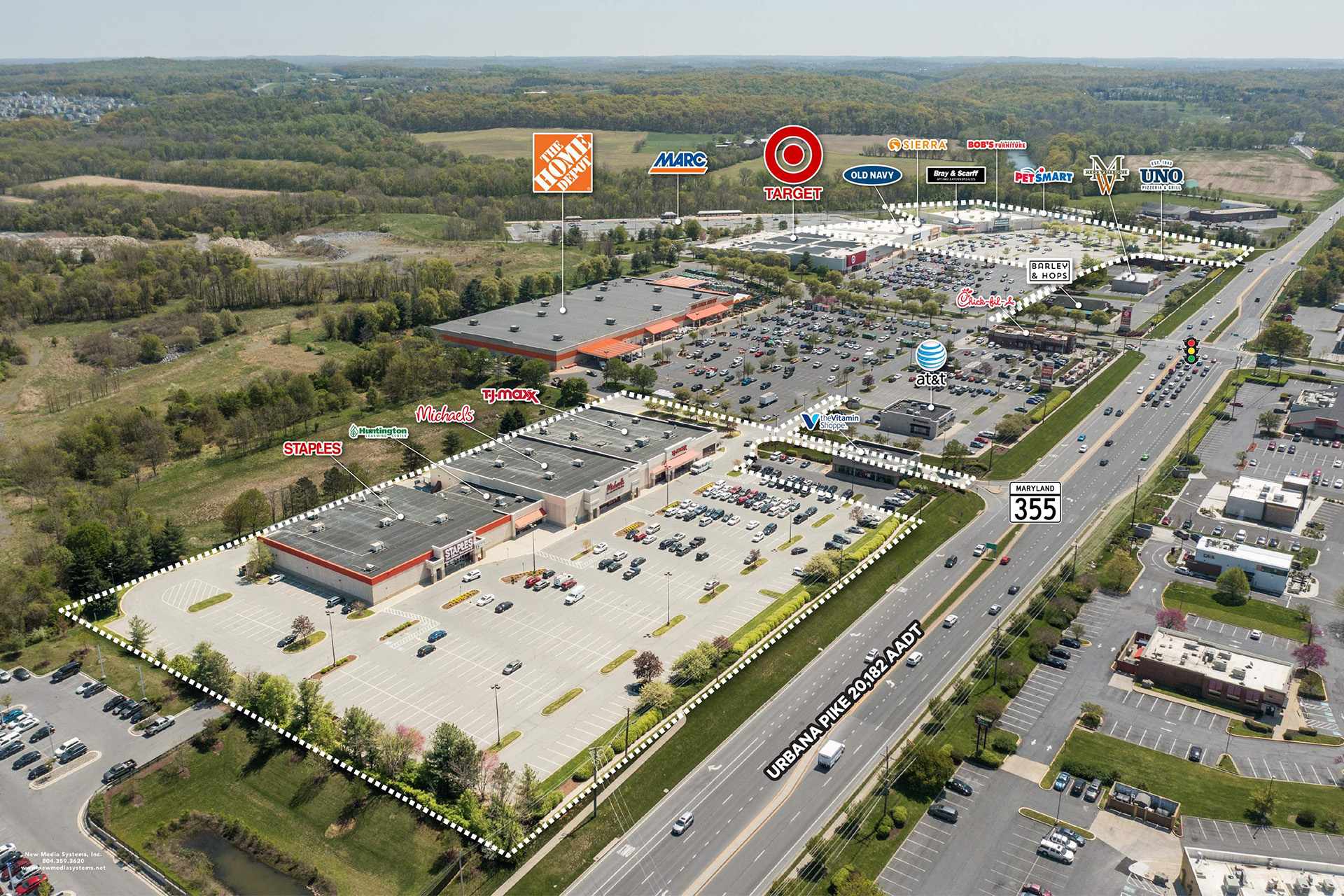
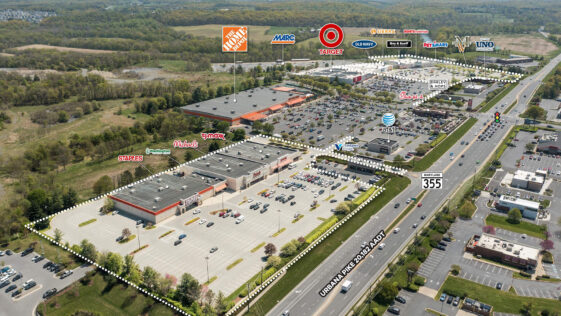
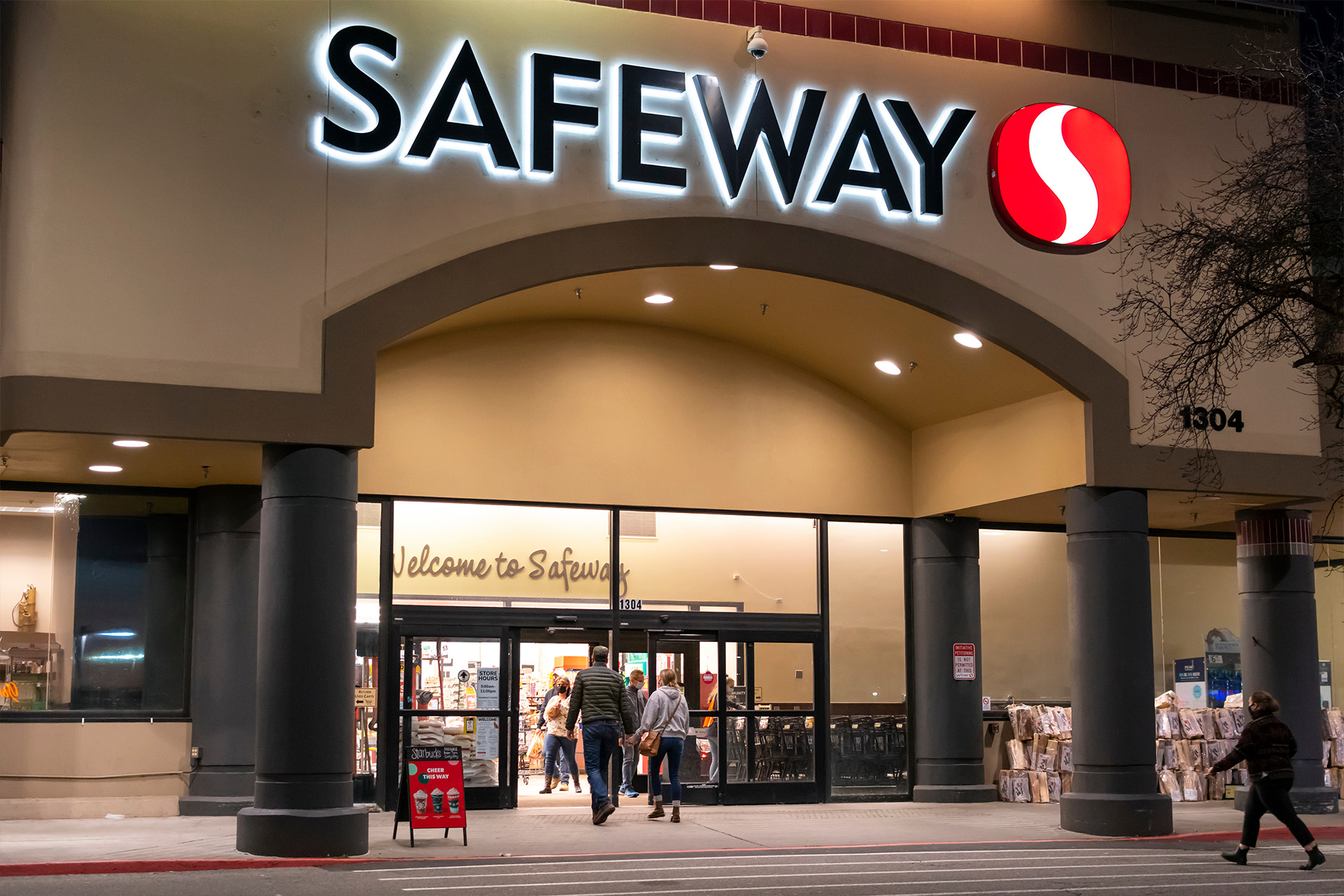
Lenders will strive to win grocery-anchored shopping center deals, although well-located power centers and unanchored strip retail that have strong tenant performances will see more lender attention. Big-box retail will be the toughest to finance since the need for space is changing in that segment and many tenants are shrinking their average store’s square footage. Any retailer that was able to stay open during COVID-19 will be sought after, as these are thought to be recession-proof. Centers with a Target, Publix, Safeway or a Walmart will be desired. Grocers, pharmacies, hair salons, nail salons, hardware stores, banks and other daily needs retailers will be the most sought after, followed by discount retailers such as Burlington, T.J. Maxx and Ross. Lenders are still shying away from certain segments — most notably movie theatres. Soft goods retailers will also be tough. However, if the specific location has proven sales and/or year-to-date sales that are in line with pre-COVID numbers, lenders will consider the risk.
Banks such as Wells Fargo, Bank OZK, Investors Bank, Associated Bank, HomeStreet Bank, Comerica, MUFG Union Bank and Applied Bank will consider retail deals. Fidelity Bank targets single-tenant investment grade retail. Banks will seek strong retail assets with highly qualified sponsors. CMBS lenders such as Wells Fargo, Morgan Stanley, Citi, Argentic, KeyBank, Deutsche Bank, UBS, Starwood Mortgage Capital, Basis Investment and Sabal Capital Partners will also fund deals. Life companies, including Securian, Aegon Asset Management, Voya Investment Management, StanCorp Mortgage Investors, John Hancock, Ohio National Life, Symetra, RiverSource, Security National Commercial Capital, Farm Bureau Insurance and GPM Life Insurance, will be active. Pacific Life seeks necessity-based retail centers, while National Life and CUNA Mutual Group want centers with a grocery anchor. Thrivent targets infill-located anchored retail with a strong grocer or home improvement store and the sales of anchor tenants must be available.
Investors are highly focused on the Southeast and Sunbelt states due to population growth, which is a key driver behind retail sales that translate to high occupancies and increasing rents. Lenders will seek retail properties in Los Angeles, Nashville, Tenn., Denver, Washington, D.C., Florida and Arizona. The Northeast and Midwest will still see some caution.