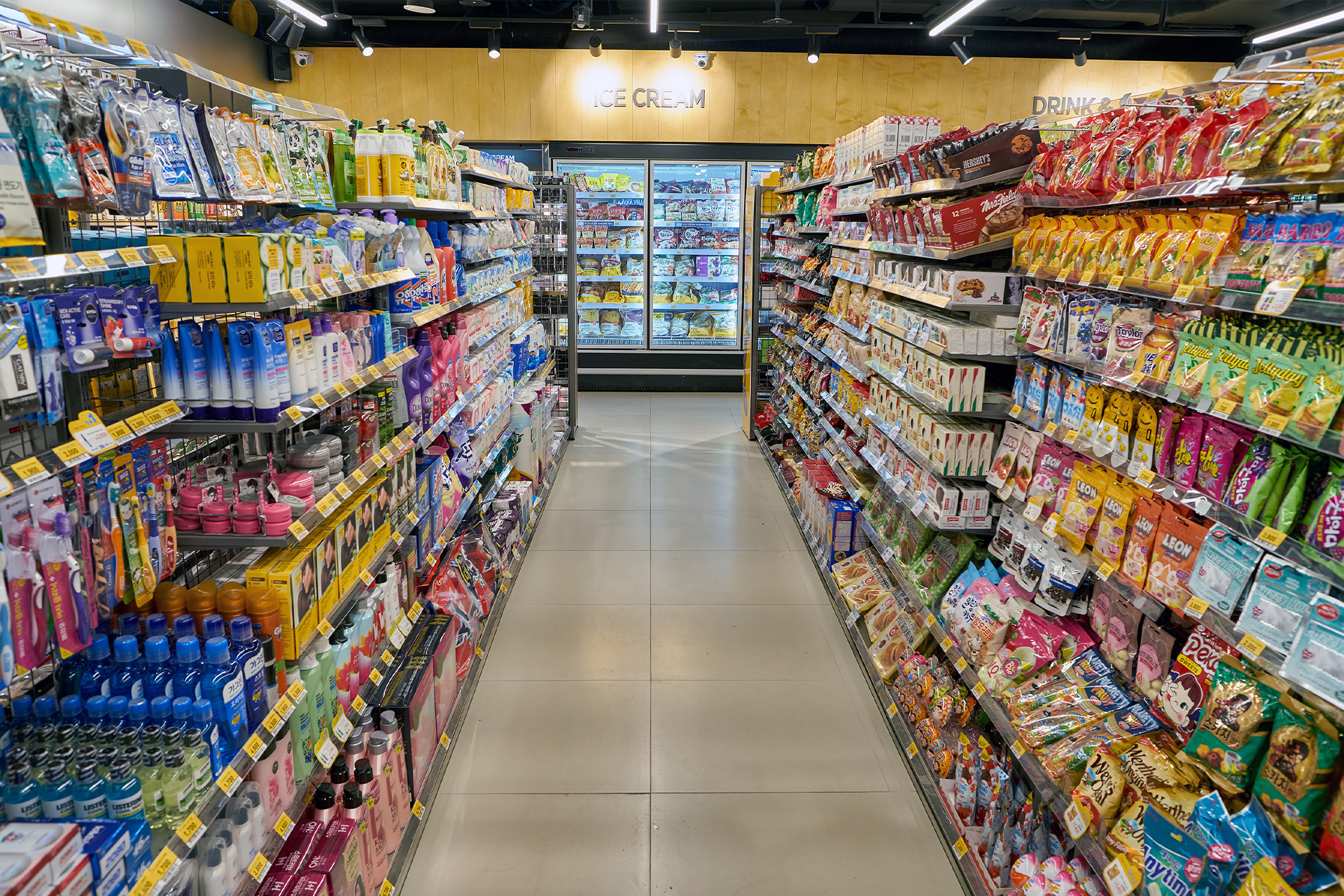
As the country’s demographic breakdown becomes more diverse, the grocery brands that cater to these various ethnicities have also expanded their reach. The top brands that are currently popping up in new U.S. regions offer not only difficult-to-find foods native to the various countries of origin, but also provide “bells and whistles” experiences such as in-store restaurants/food courts or bakeries with unique ethnic pastries. As a result, many of these ethnic-oriented grocers are filling large anchor spaces, even in indoor shopping malls, especially in metros that have had a recent rise of diverse inhabitants. The appeal of these ethnic-oriented grocers has extended to a new base of customers, especially the open-minded Gen Z audience and younger-aged millennials — including the American-born children of immigrants. Keep your eyes open for H Mart, 99 Ranch Market, Cardenas Markets (which merged with Illinois-based Tony’s Fresh Market this year) and Eataly to all be eyeing new retail spaces in the years to come.
H Mart expects to open between five and 10 new units per year over the next three years. Look for continued growth to be especially strong throughout the metros of Florida, where the brand will be opening its first unit in the state, in Orlando, by late 2022/early 2023. Untapped areas in California, particularly the more outlying regions of San Francisco, Los Angeles (especially Orange County) and San Diego, will also see growth, in addition to continued expansion throughout Honolulu and within the New York City metro. Potential new units may also spring up in regions where H Mart is underpenetrated, such as Charlotte, N.C., Scottsdale, Ariz., and in Texas suburbs.
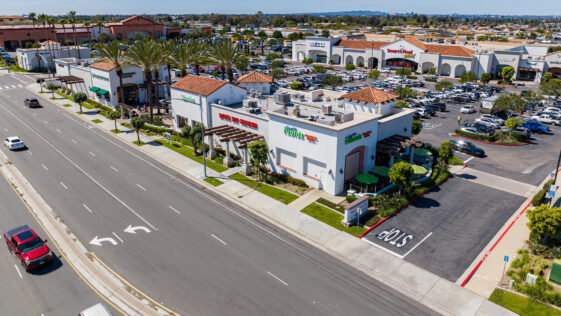
H Mart generally seeks end cap, inline or standalone space in the 30,000- to 75,000-s.f. range, in regional shopping centers, grocery-anchored centers and the ground floor of mixed-use spaces. Both urban core and suburban neighborhoods will be eyed. The brand has also been experimenting with new variations of its usual store size. For example, the Orlando store, which is taking over a former Super Target, will be its largest unit ever, at 183,894 s.f. In order to accommodate smaller urban spaces, this year H Mart opened two much smaller versions of its store, coined M2M Mart, in Flushing, N.Y., in July and Seattle in April, which were 18,000 s.f. and 16,000 s.f., respectively. Preferred co-tenants are popular high-traffic retailers, such as Five Below, Marshalls and CVS Pharmacy, as well as other Asian-themed brands, such as Daiso. H Mart markets sell Asian-related grocery items, including live crabs and lobsters, and housewares products. Its markets also feature food halls that consist of local restaurant brands.
99 Ranch Market anticipates opening approximately five to eight new units per year over the next two years. Rumored territories for potential expansion include Connecticut, the suburbs of New York City, San Antonio, the metros of Florida and Tennessee, Scottsdale, Ariz., and Orange County, Calif. The brand seeks second generation retail or grocery space in the 30,000- to 56,000-s.f. range in untapped mixed demographic suburban areas that can be up to 30 miles from a major metro. This year 99 Ranch Market introduced its first indoor mall units. A 30,000-s.f. unit opened in a former Billy Beez play park in the Westfield Oakridge mall in San Jose, Calif., in March, and a 45,602-s.f. market opened in a former Circuit City in the Samanea New York Mall in Westbury, N.Y., in April (its first unit in the state of New York). In addition to these mall locations, 99 Ranch Market also seeks space in former big-box standalone stores on retail street fronts, such as a unit expected to open by late 2022/early 2023 in a former Ross store in Westwood, Calif., and as part of neighborhood regional centers and power centers. Co-tenants should be other high-traffic errand brands, such as Target or The Home Depot, or entertainment-oriented restaurants, such as Dave & Buster’s. 99 Ranch Market sells Asian grocery items, and its markets feature a bakery, in-house fish cleaning services and an in-store café/food court.
Cardenas Markets, a Hispanic-themed grocery chain with locations in California, Arizona and Nevada, which was purchased by Apollo Global Management in June, has tentative plans to merge its brand with another grocery chain Apollo also purchased earlier this year, the Italian-oriented yet multi-ethnic grocer, Tony’s Fresh Market, based in Illinois. Although plans are to keep the respective grocery brand names intact as each expands into new territories, Apollo previously bought Henry’s Farmers Market and rebranded it under the Sprouts Farmers Market name, with the same executive who oversaw that merge now being responsible for the Cardenas/Tony’s merge under the newly named Heritage Grocers Group umbrella. Cardenas has been on a trajectory of opening between six and 10 units per year through acquisitions of smaller branded Hispanic grocery stores, such as its purchase earlier this year of six Rio Ranch Markets in Southern California that have since been rebranded under the Cardenas Market name. Tony’s is expected to open at a rate of about three new units per year within the suburbs of Illinois. Cardenas seeks space in grocery-anchored neighborhood centers in communities where more than 50% of the population is Hispanic. Tony’s, which sells food that caters to Asians, Indians and Hispanic demographics in addition to Italians, seeks neighborhood strip mall, street-front standalone or grocery-anchored space, frequently former Kmart stores, between 45,000 and 87,000 s.f. in diverse, traditionally underserved communities. It is conceivable that if the brands do merge into one new multi-ethnic market brand, growth will take place in regions spanning between Illinois and the West, with Texas and New Mexico potentially seeing new units in the future.
Italian-based Eataly announced in September that Investindustrial VII L.P. became its majority shareholder, and will focus on continued international expansion, including the U.S. By mid- to late 2023, new units are expected in New York City’s Soho district, Miami and San Diego. Additional buzzed-about cities that may see an Eataly in 2024 and beyond include Atlanta, Washington, D.C., Philadelphia and possibly Phoenix, Seattle, Denver, Raleigh, N.C., Orlando, Austin and Houston.
Eataly seeks former retail or restaurant space that can range from 18,000 s.f. for urban street-front units, including the ground floor of mixed-use buildings, to space as large as 67,000 s.f. in Class A shopping centers in major metropolitan cities. Its upcoming Soho space will take over a former 18,353-s.f. Pirch furniture store, and its 32,000-s.f. unit that opened last year in Dallas’ NorthPark Center mall was also a former Pirch store. Co-tenants can include either upscale retailers, such as Nordstrom, or other popular dining destinations, such as Shake Shack. Eataly is a retail/restaurant concept that sells authentic Italian brand groceries, wine and related merchandise, and its shops can feature multiple full-service restaurants and quick-service food hall counters.